

Explore the World at Your Own Pace
Immersive self-guided audio tours with GPS-activated stories, hidden gems, and local insights across 50+ destinations.


Save more with a bundle
Pair multiple self-guided tours together — buy once, walk forever, save up to 45%.








Your Adventure in 3 Simple Steps
Getting started is easy. Pick a tour, download it, and start exploring.
Find Your Tour
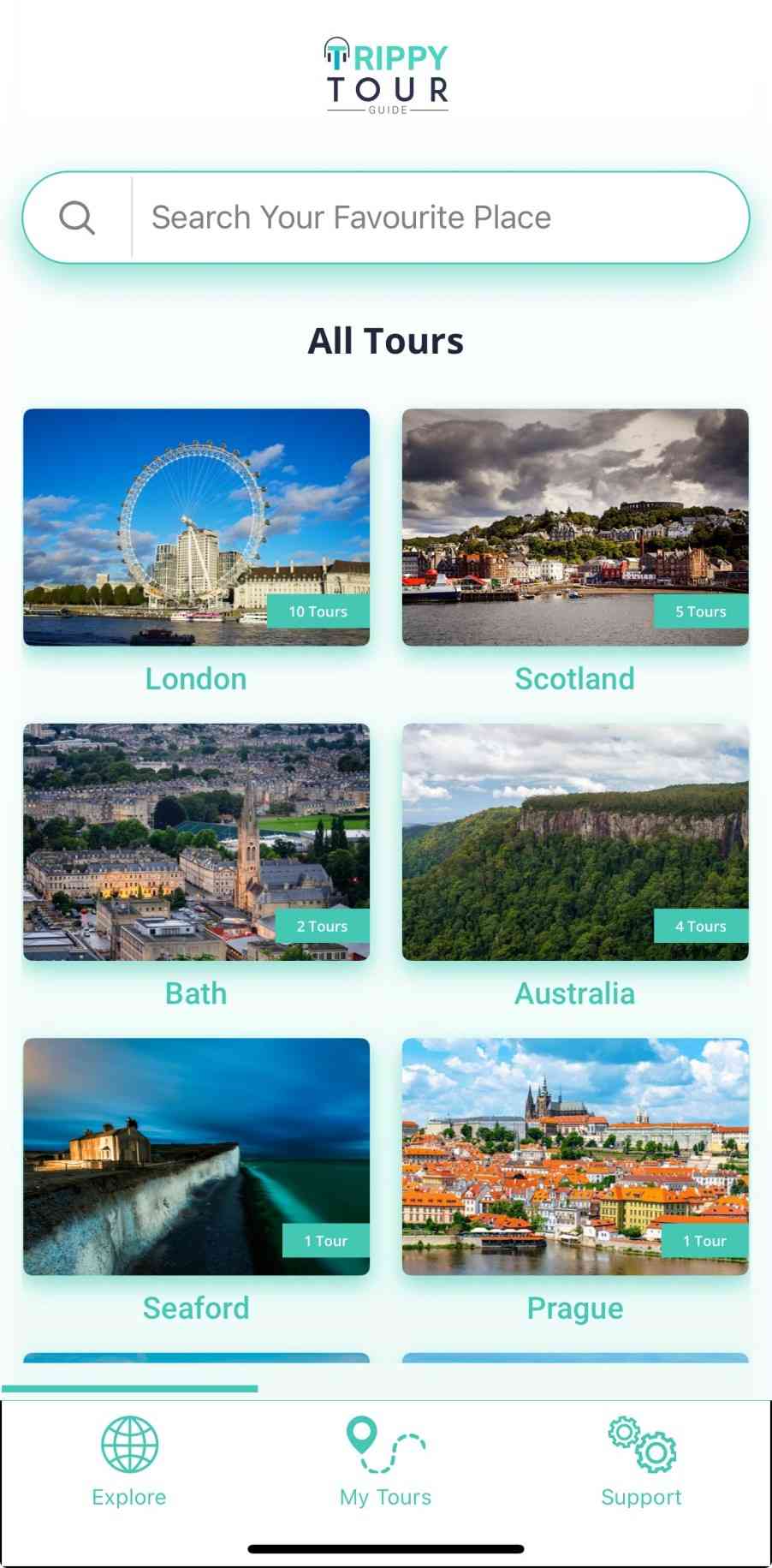
Browse our collection of expertly curated audio tours across 50+ destinations worldwide.
Download & Go
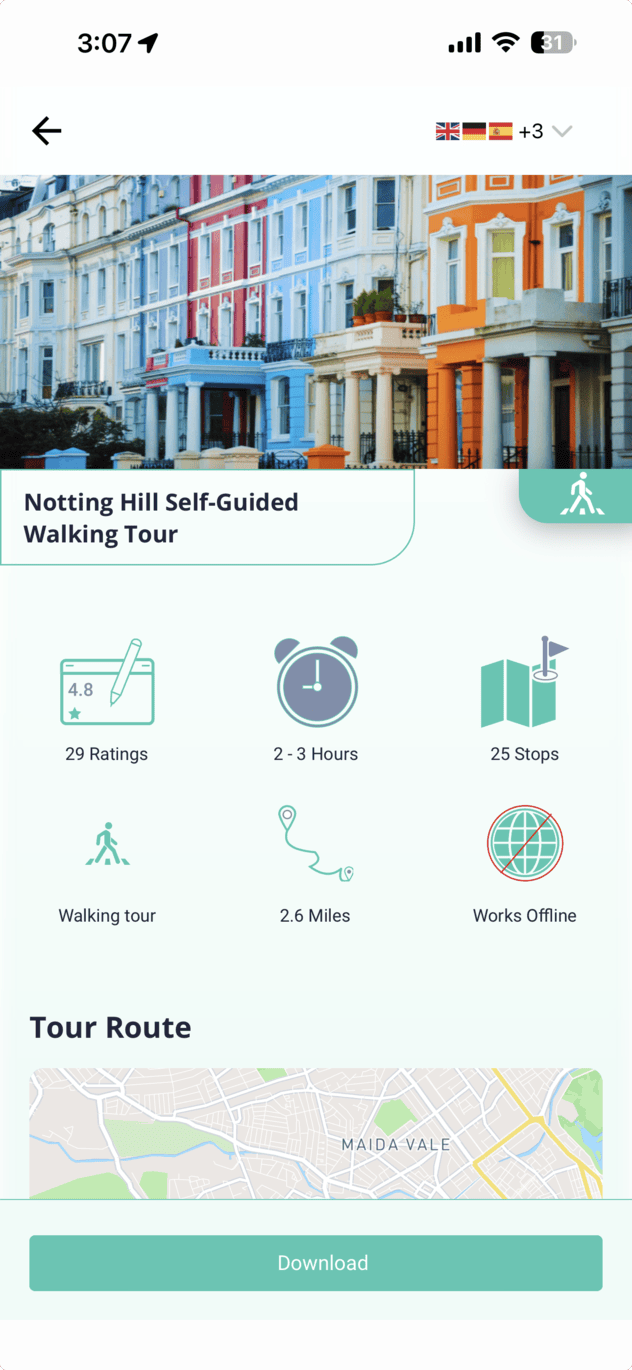
Download your chosen tour to your phone. No internet needed — works completely offline.
Explore & Listen
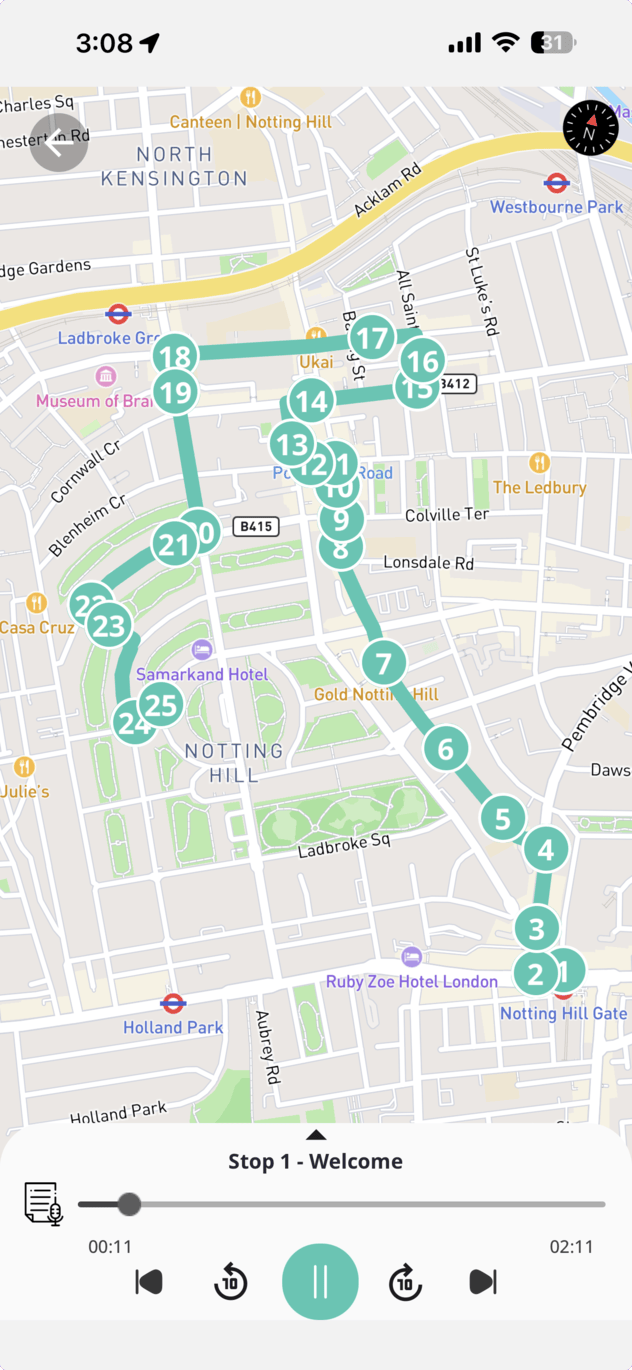
Walk at your own pace while GPS-activated narration guides you through each stop.
Most Popular Experiences
Hand-picked tours loved by thousands of explorers around the world.

London: Harry Potter Self-Guided Walking Tour

Self Guided Walking Tour London – Explore Historic Sights Your Way

Jack the Ripper Self Guided Walking Tour

Westminster Self-Guided Walking Tour

London: Christmas Lights Walking Tour

Seven Sisters Walking Tour with an APP

Edinburgh Old Town Walking Tour with a Handy App

2 Hour Historic Walking Tour in Bath with An App

Bath: Bridgeton Self Guided Walking Tour with an APP
Explore the World's Most Beautiful Cities
From historic European capitals to vibrant coastal cities — find your next adventure.






New Tours Just Released
Fresh experiences added to our growing collection — be among the first to explore.

Siena Self Guided Walking Tour

Torino Dark History & Magic Self Guided Walk Tour

Glasgow West End Self Guided Walking Tour

Glasgow City Sightseeing Self Guided Walking Tour

Naples Old Town: Origins, Cults Self Guided Walking Tour

Melbourne: Ghosts of Williamstown Self-Guided Walking Tour
What Our Explorers Say
Join thousands of happy travelers who've discovered the world with Trippy Tour Guide.
The Harry Potter tour was absolutely magical! The audio narration made it feel like I had a personal guide. My kids loved every stop.
So much better than a group tour. I could take my time at each stop and really soak in the history. The GPS feature worked perfectly.
Discovered hidden gems in Montmartre I would have never found on my own. The stories were engaging and well-researched. Highly recommend!
Great value for money. Downloaded the tour offline and explored at our own pace. The narration quality was professional and captivating.
The Harry Potter tour was absolutely magical! The audio narration made it feel like I had a personal guide. My kids loved every stop.
So much better than a group tour. I could take my time at each stop and really soak in the history. The GPS feature worked perfectly.
Discovered hidden gems in Montmartre I would have never found on my own. The stories were engaging and well-researched. Highly recommend!
Great value for money. Downloaded the tour offline and explored at our own pace. The narration quality was professional and captivating.
Your Personal Tour Guide, Always With You
Download the Trippy Tour Guide app and take your tours wherever you go. Available on iOS and Android.
Travel Stories & Tips
Get inspired with travel guides, insider tips, and stories from destinations around the world.



Stay in the Loop
Get travel tips, new tour announcements, and exclusive discounts delivered to your inbox.
No spam, ever. Unsubscribe anytime.