

3 Hours
Daily Tour
Unlimited
English, French, German, Italian, Spanish
Walk the real line of the Berlin Wall and see how Cold War history shaped everyday streets—over 35 key sites, with easy walking and short transport hops. Berlin isn’t just a city you visit; it’s a city you read as you walk. On this Berlin Cold War walking tour, you’ll explore how East Berlin and West Berlin lived side ... Read more
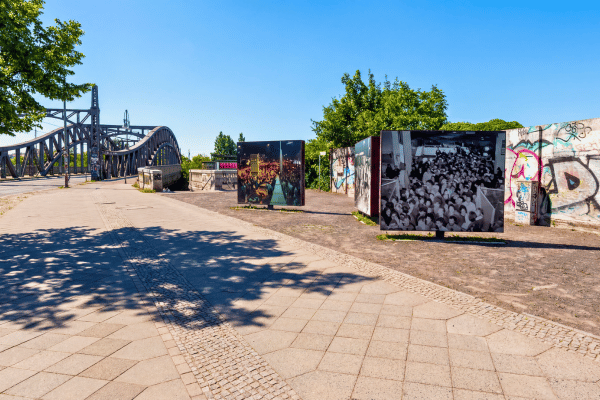
Stand where the Berlin Wall cracked open in 1989. This spot marks the Berlin Wall end of Cold War, where pressure, fear, and hope finally reshaped Berlin war history.
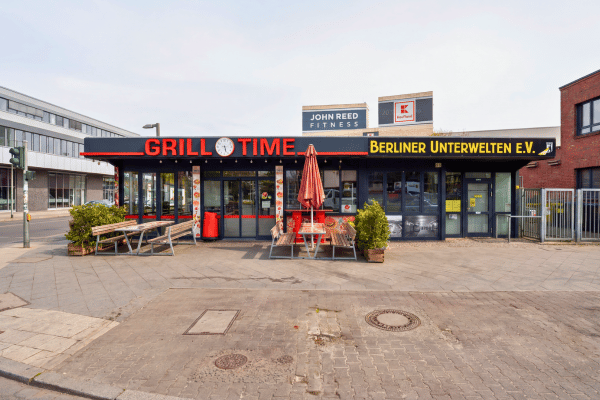
Discover Berlin museum bunker history beneath your feet. Cold War escape tunnels, air-raid shelters, and hidden routes reveal another side of the Berlin Wall in Cold War times.
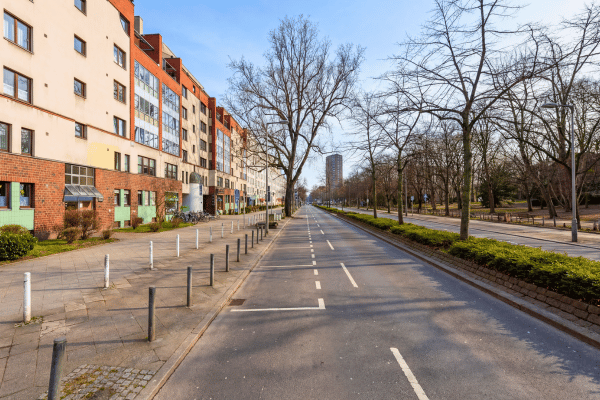
Walk through neighbourhoods reshaped by the Berlin Wall in Cold War Berlin. Streets ended, families split, and daily routines adapted under surveillance and restricted freedom.
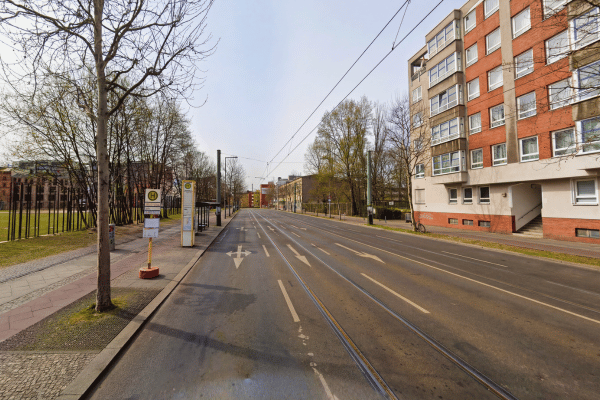
One of the most powerful Berlin Cold War sites. See where homes became borders, escapes began at windows, and the Berlin Wall tore a living street in half.
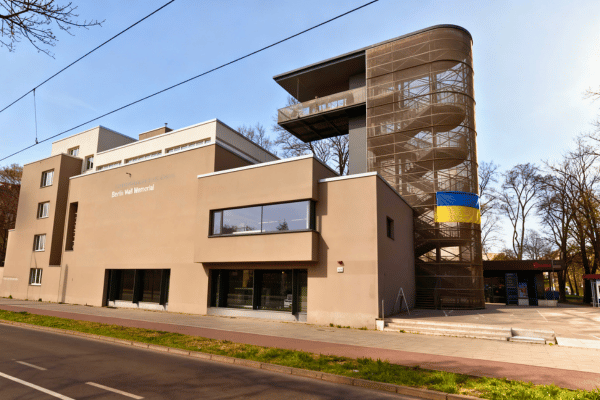
Experience the Wall as a system, not a symbol. This preserved stretch shows patrol roads, towers, and death strip — the Berlin Wall in Cold War reality.
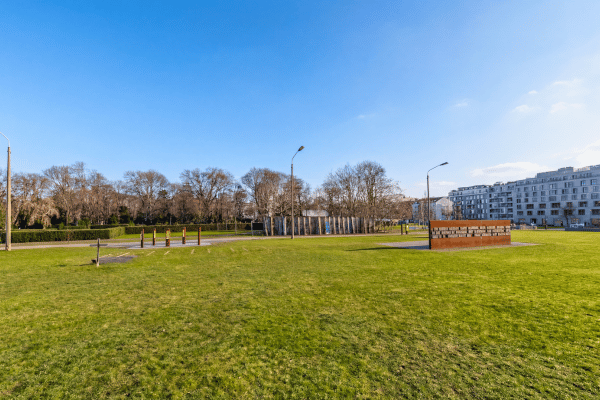
Faces replace concrete here. This memorial honours those who died at the Berlin Wall in Cold War Berlin, restoring human stories erased by fear and silence.
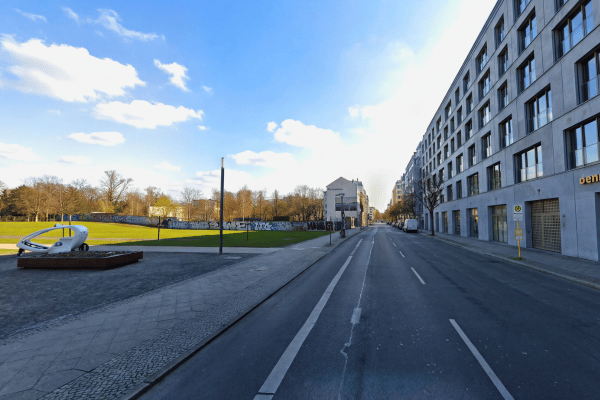
A ground-level model reveals how the Berlin Wall functioned daily. This site explains the mechanics of control that defined East Berlin Cold War life for decades.
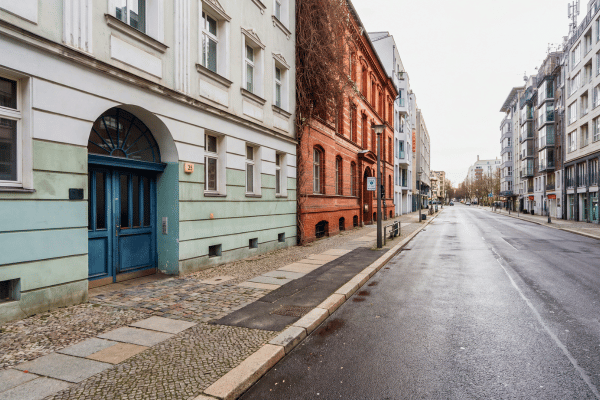
This stretch shows how surveillance replaced drama. The Berlin Cold War wasn’t constant crisis — it was routine, patrol schedules, informants, and enforced stability.
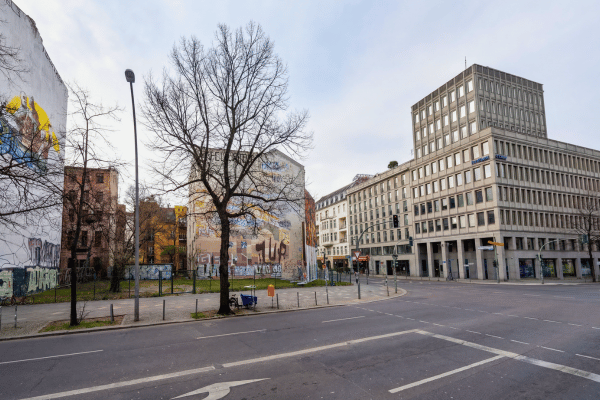
Once a city gate, later a Cold War edge. Here, everyday Berlin life met invisible borders that defined East and West Berlin Cold War realities.
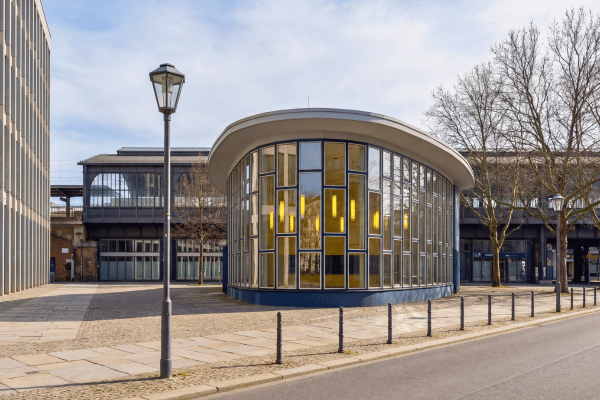
The “Palace of Tears” captures the emotional cost of division. This Berlin museum tells how departures from the GDR defined countless Cold War goodbyes.
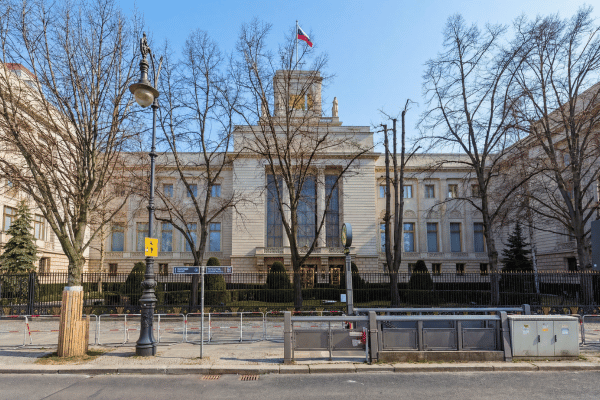
Built to project Soviet authority, this embassy reflects Berlin Soviet Union influence during the Cold War, where diplomacy shaped the fate of a divided city.
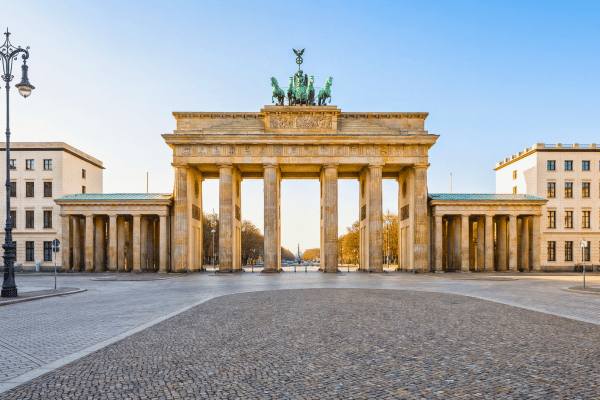
A symbol trapped by the Berlin Wall in Cold War years. Once unreachable, this gate became the global image of division — and later, reunification.
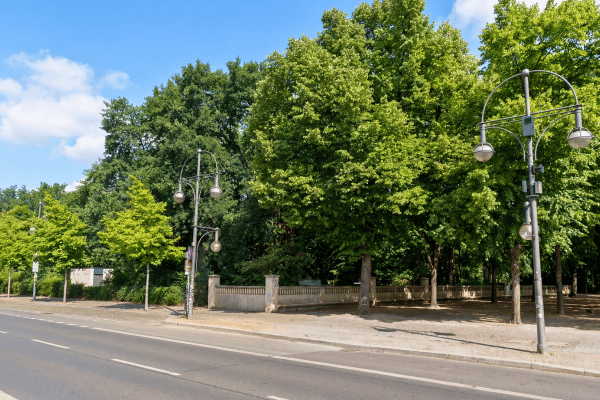
Here, words echoed across concrete. Reagan’s 1987 speech near the Berlin Wall captured a turning moment before the Cold War finally began to loosen.
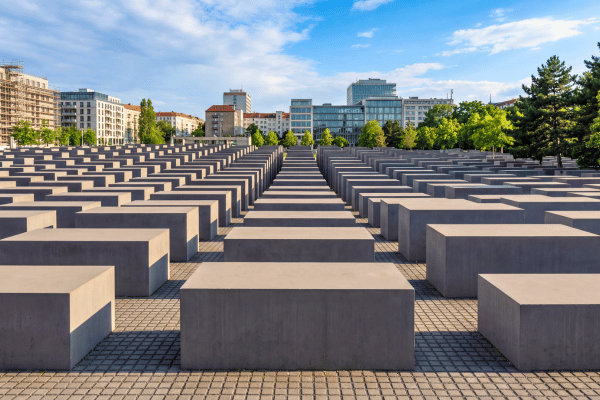
This memorial reminds us the Cold War followed deeper trauma. Berlin war history flows from WWII into division, memory, and the struggle to rebuild meaning.
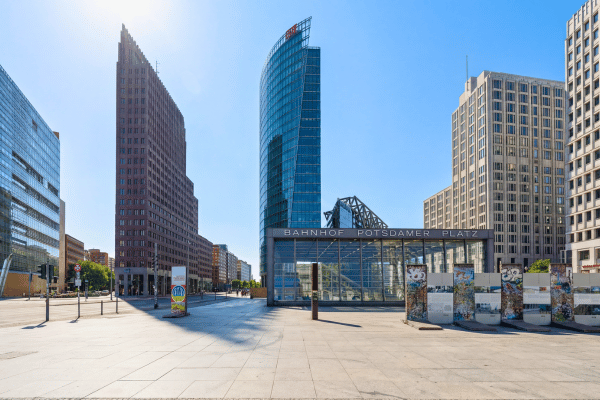
Original Berlin Wall slabs stand where Europe’s busiest square became a Cold War no-man’s-land. Concrete here once froze an entire city centre.
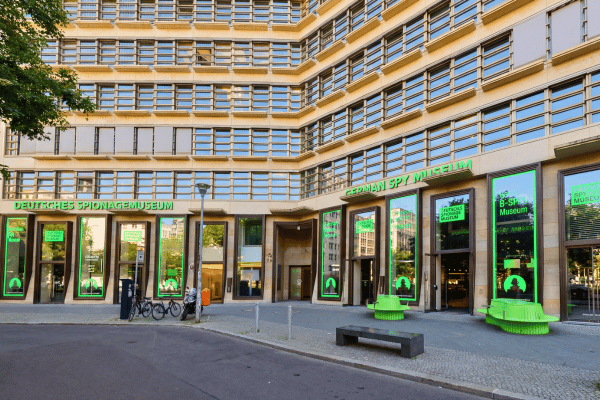
Explore espionage at the heart of Cold War Berlin. This Berlin museum reveals surveillance, codes, and intelligence that shaped life beyond the Wall.
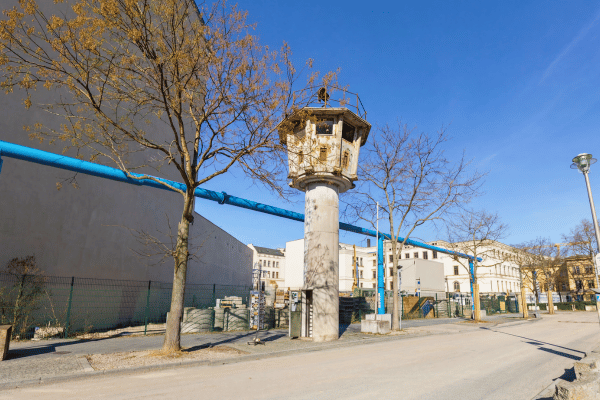
This preserved tower shows how East Berlin Cold War control relied on visibility. Guards watched the death strip below, enforcing the Wall’s silent authority.
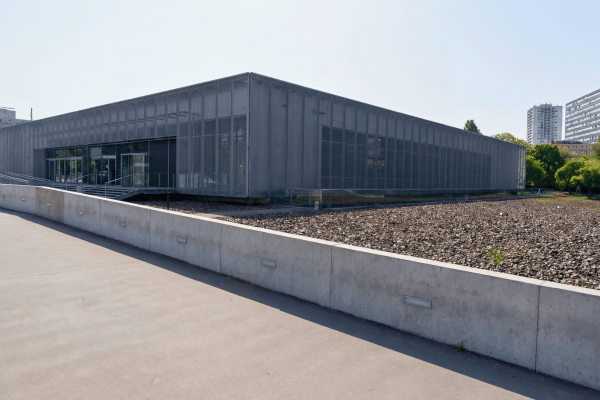
Raw concrete remains where the Wall once guarded state power. This understated Berlin museum wall site shows control without spectacle.
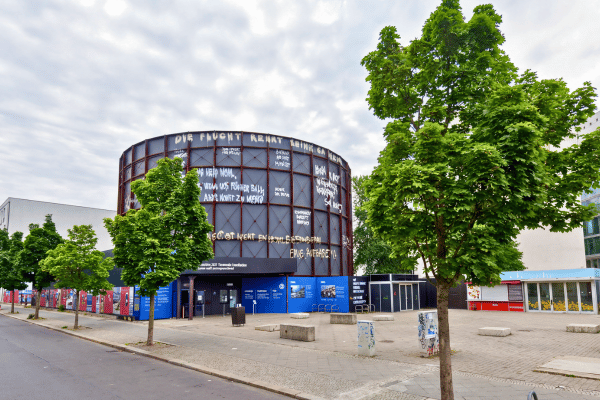
Step inside Cold War Berlin. This immersive Berlin museum recreates daily life beside the Wall, revealing how control and normality existed side by side.
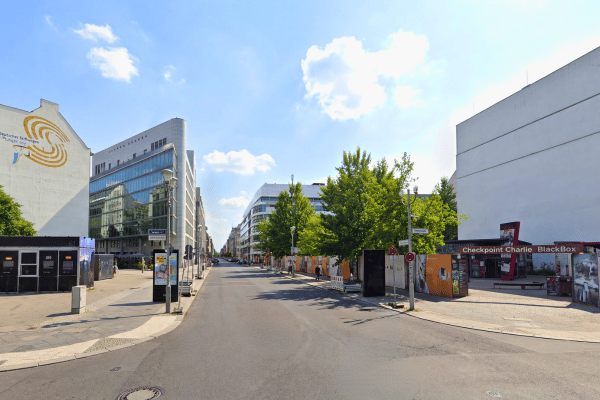
Berlin’s most famous crossing meets global context. Checkpoint Charlie shows confrontation, while BlackBox explains how Berlin mirrored a divided world.
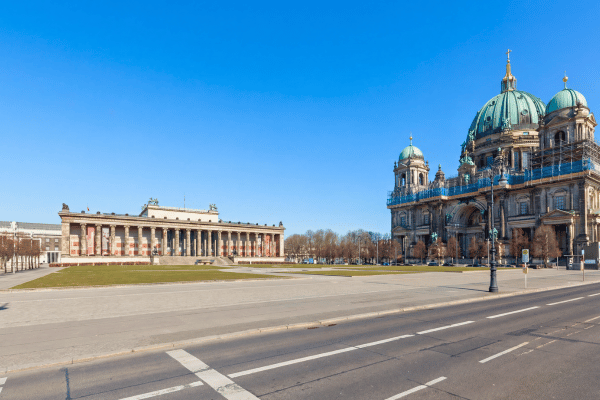
Once East Berlin Cold War territory, this cultural heart shows how art, power, and control overlapped near the Wall’s shadow.
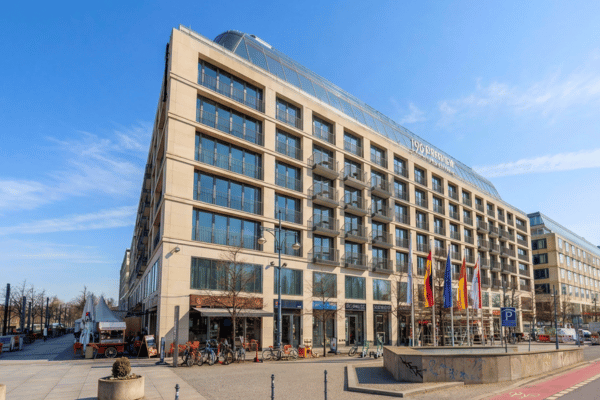
This Berlin museum focuses on everyday life. Touch, open, and explore how ideology shaped kitchens, schools, and routines in East Berlin Cold War years.
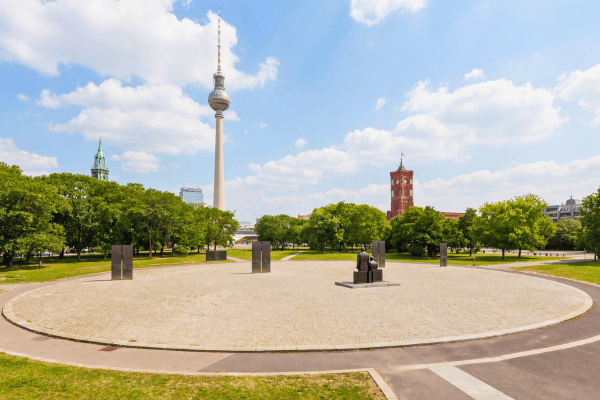
Socialist ideology stood at the city’s centre. This forum reflects how ideas shaped space during the Cold War — and how meaning softened after reunification.
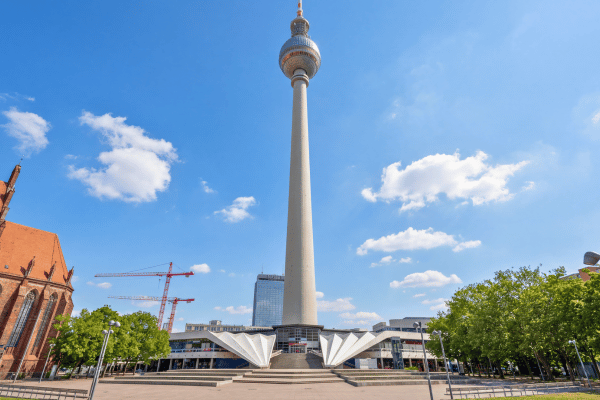
Built to impress, not watch. The Fernsehturm symbolised East Berlin Cold War confidence — even as people inside could see the forbidden West.
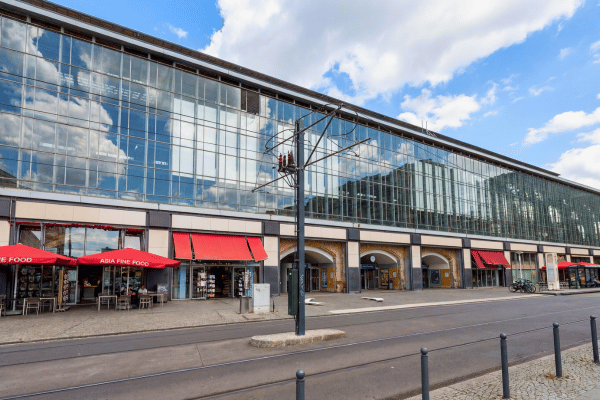
A Cold War showcase of socialist modernity. From here, Berlin expanded outward, revealing how ideology shaped everyday public space.
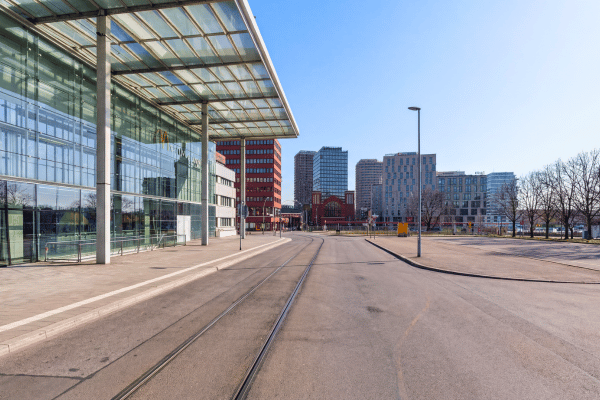
Once a key East Berlin gateway, this station linked movement, control, and transition as the Cold War city stretched beyond walking distance.
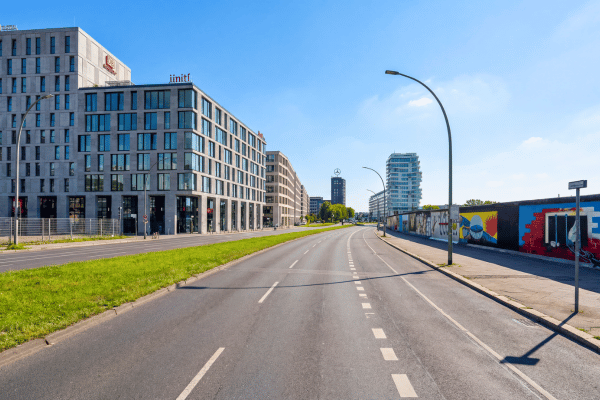
The longest surviving Berlin Wall section becomes art. Murals transformed Cold War concrete into messages of freedom after division ended.
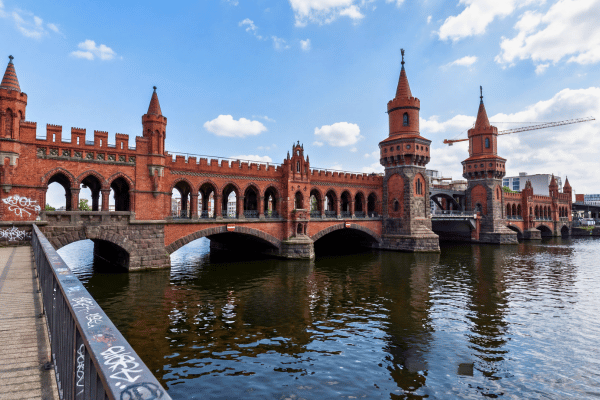
Where the Cold War story opens outward. From here, Berlin reconnects — yet nearby, the Museum reveals how control once reached deep inside lives.

Member Since 2025
 English
 Français
  Deutsch
  Español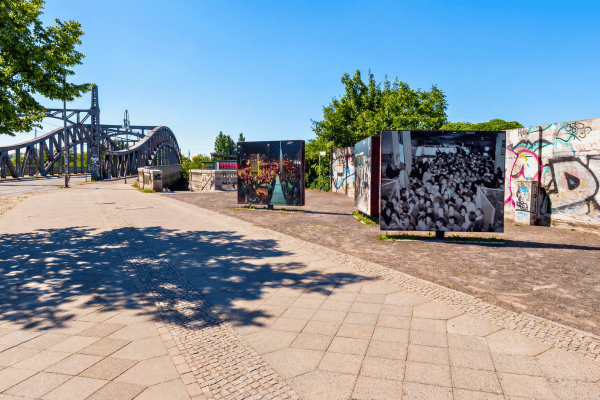
Leave a review