Rome’s culinary heritage is as rich and layered as its history. Every meal here feels like a story – one that blends tradition, community, and bold Mediterranean flavors. From ancient Roman roots to modern trattoria favorites, the city invites you on a mouthwatering journey that no foodie can resist.

This guide explores Rome’s food history, highlights the must-try local dishes in rome and where to taste them, and shares insider tips on free food tours and cooking classes to make your culinary adventure unforgettable.

What Is the History of Roman Food?

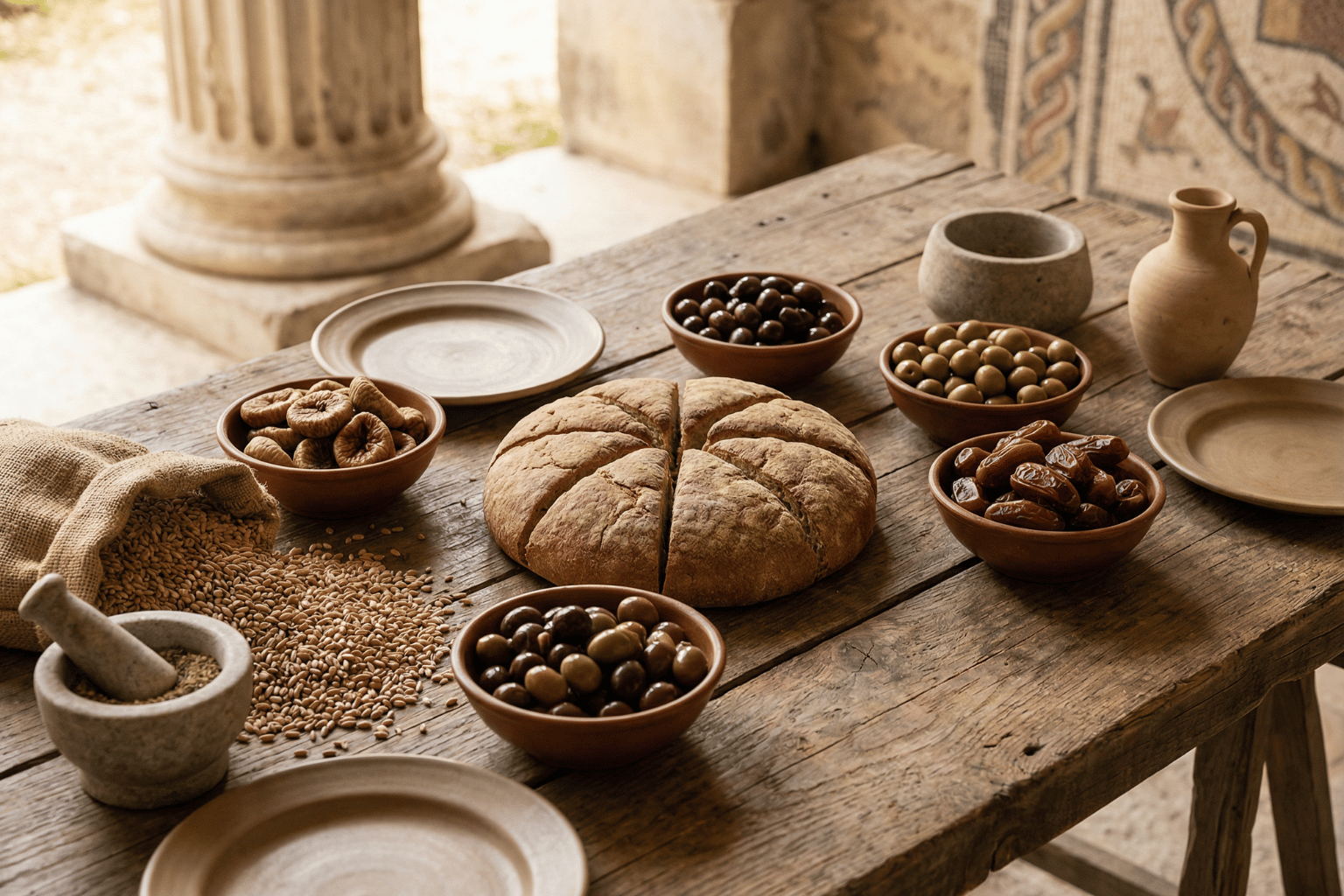
Roman cuisine has been evolving for thousands of years. In ancient times, meals revolved around grains, legumes, and vegetables, influenced by Mediterranean trade and neighboring cultures like the Greeks and Etruscans. As the Roman Empire expanded, so did the city’s pantry – introducing spices, cheeses, and olive oil.

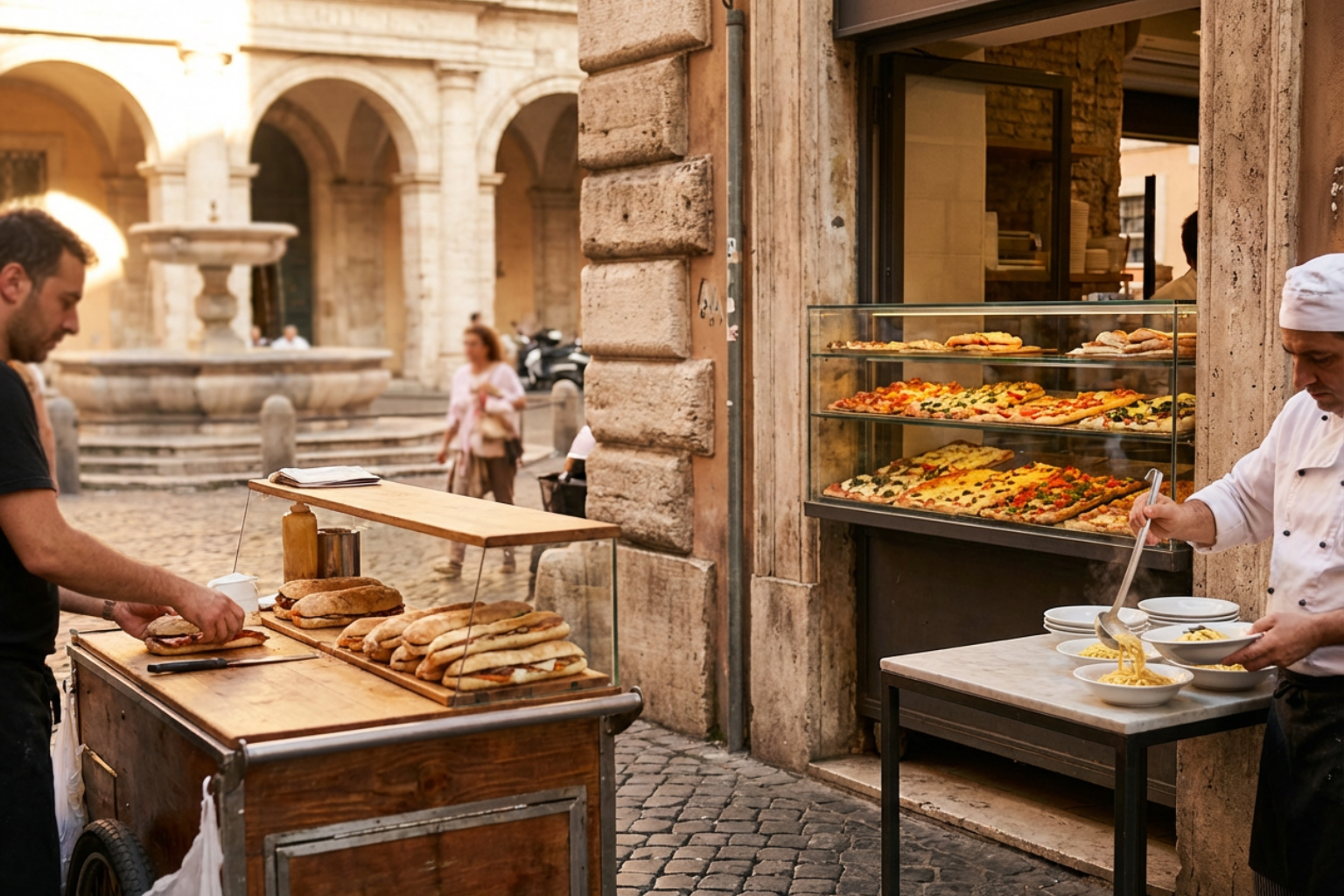
The Renaissance refined local gastronomy further, and today, Roman food is celebrated for being simple, rustic, and deeply flavorful. From street snacks to fine dining, every dish reflects a culture that values conviviality and quality ingredients.

What Are the Must-Try Dishes in Rome?

When in Rome, there are a few dishes you simply can’t miss. These iconic flavors define the city’s culinary identity:

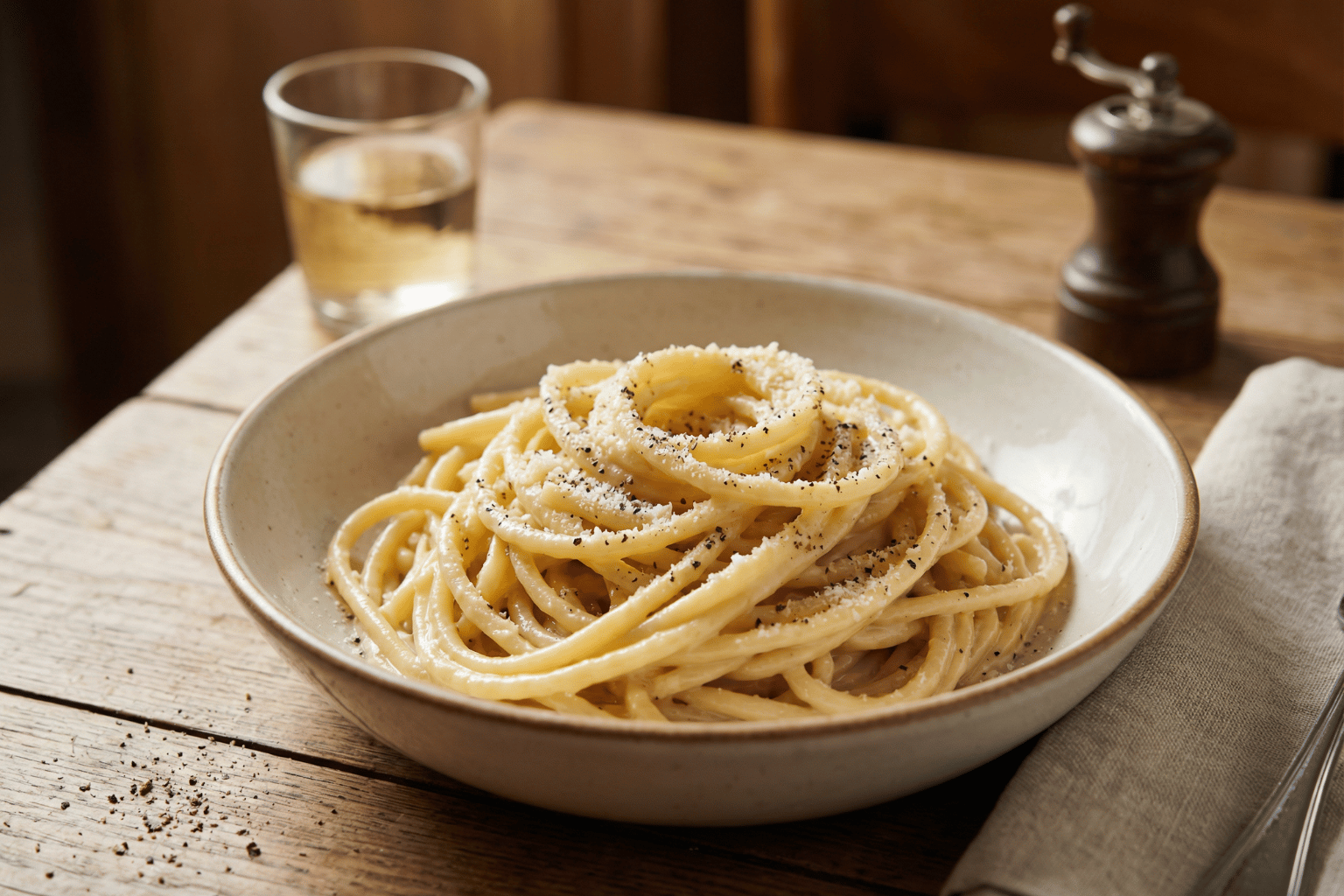
Cacio e Pepe

Few dishes capture Roman cooking better than this deceptively simple pasta. Made with Pecorino Romano and freshly cracked black pepper, its magic lies in perfect technique rather than complexity. For an authentic version, head to Osteria da Fortunata or Roscioli.
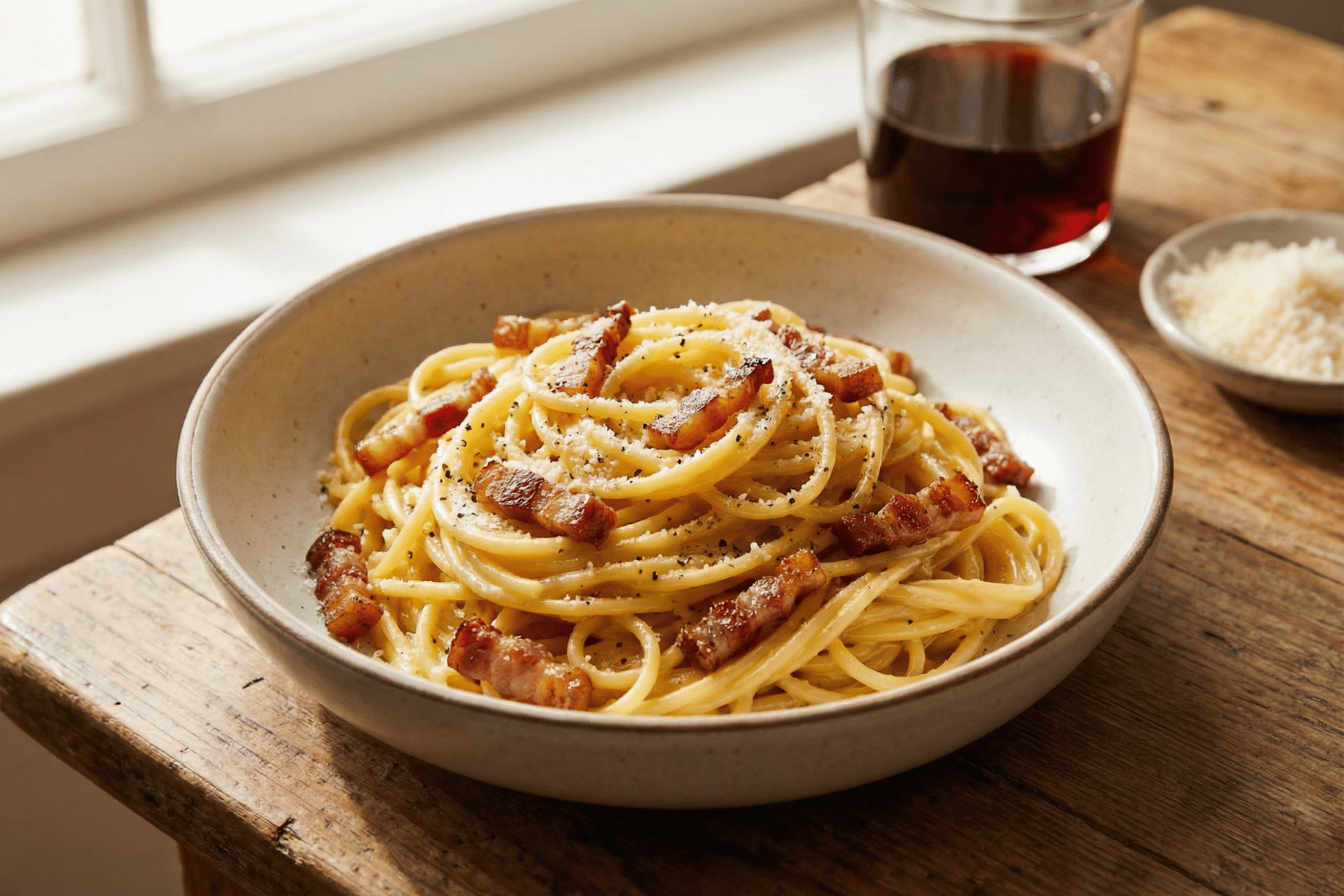
Carbonara

Roman carbonara is rich, silky, and deeply satisfying—yet it contains no cream. Eggs, guanciale, Pecorino cheese, and black pepper create its unmistakable texture and flavor. One of the most beloved versions can be found at Da Enzo al 29 in Trastevere.
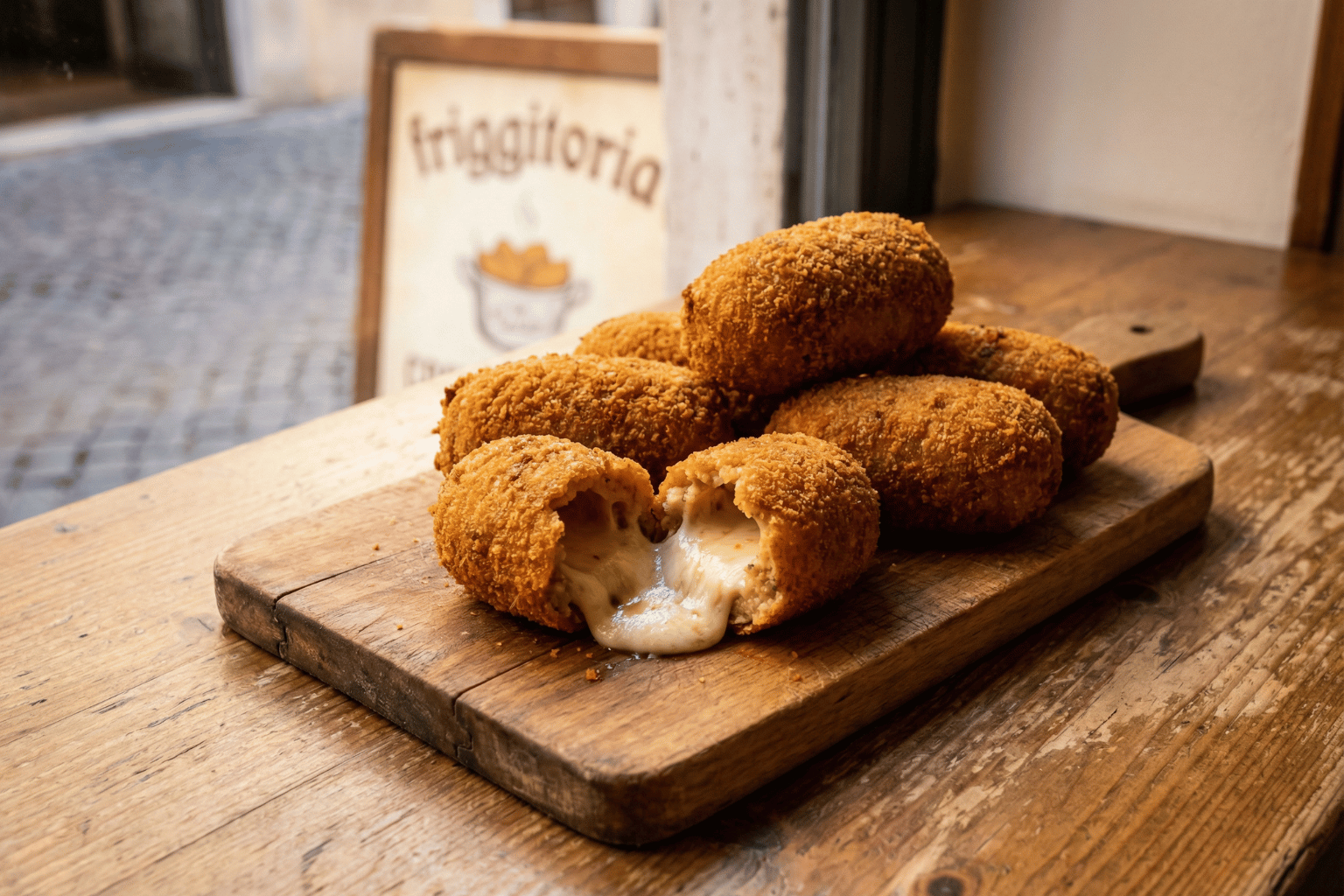
Supplì

This traditional Roman main pairs tender veal with prosciutto and sage, pan-fried in butter and white wine. Elegant yet comforting, it’s best enjoyed at classic trattorias like Da Cesare al Casaletto.
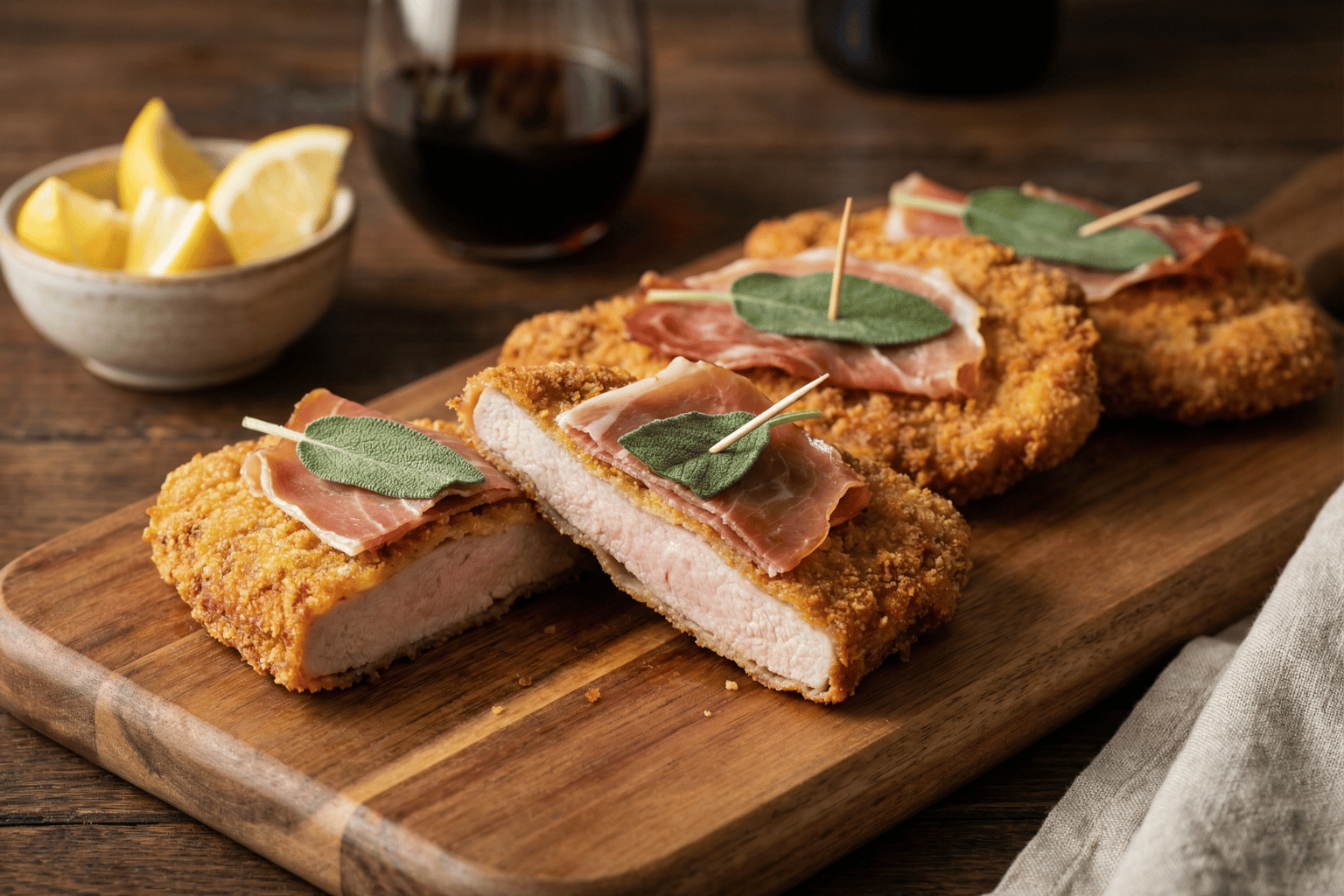
Saltimbocca alla Romana

This classic main course features tender veal topped with prosciutto and sage, gently pan-fried with white wine and butter. It’s elegant yet comforting, and best enjoyed at traditional trattorias such as Da Cesare al Casaletto.
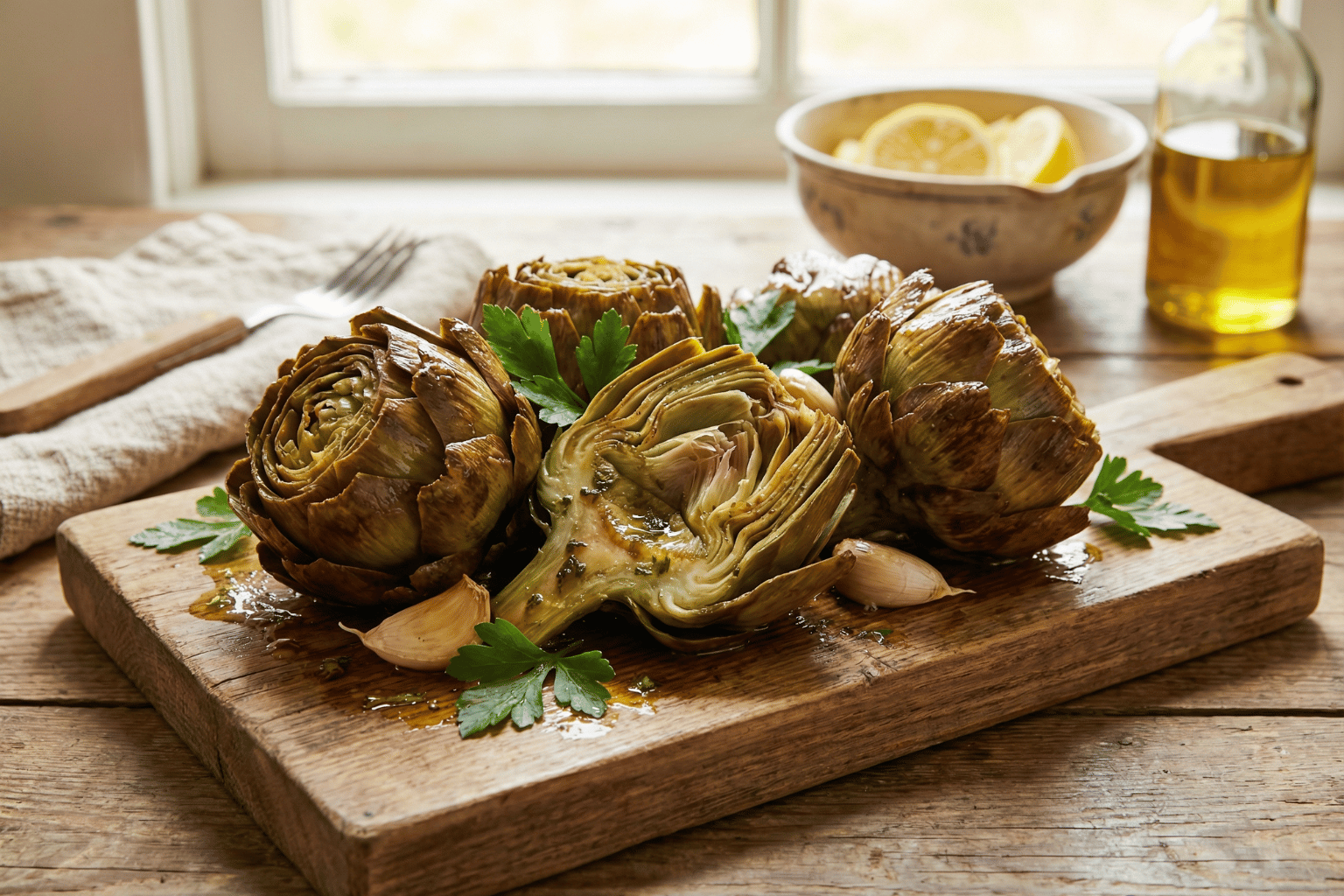
Carciofi alla Romana

Especially popular in spring, Roman-style artichokes are braised with garlic, mint, and olive oil until tender and aromatic. Felice a Testaccio is a great place to try this seasonal specialty.
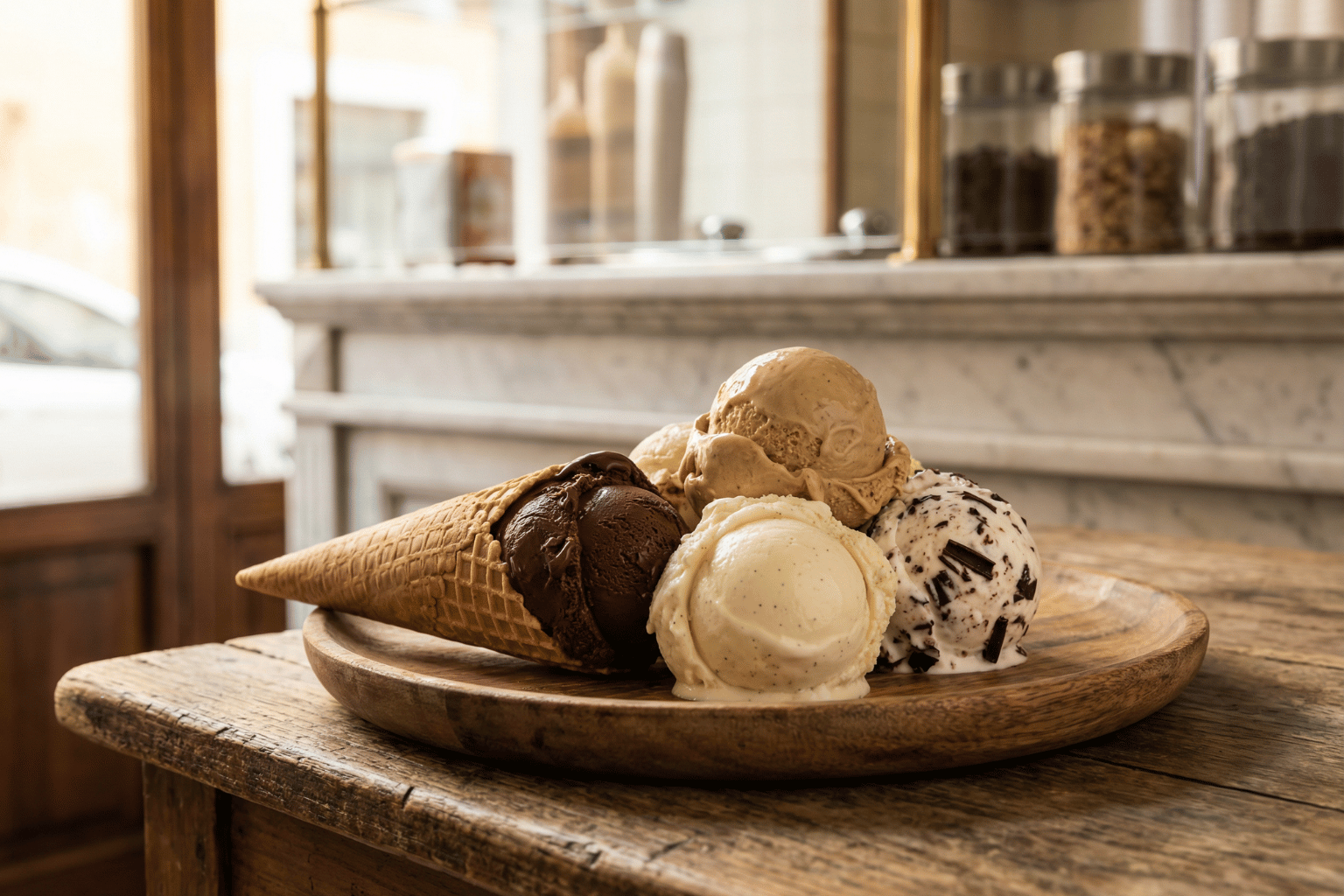
Gelato

No visit to Rome is complete without indulging in gelato. Skip overly bright colors and opt for artisanal shops offering natural flavors and creamy textures. Gelateria del Teatro and Giolitti are timeless favorites.
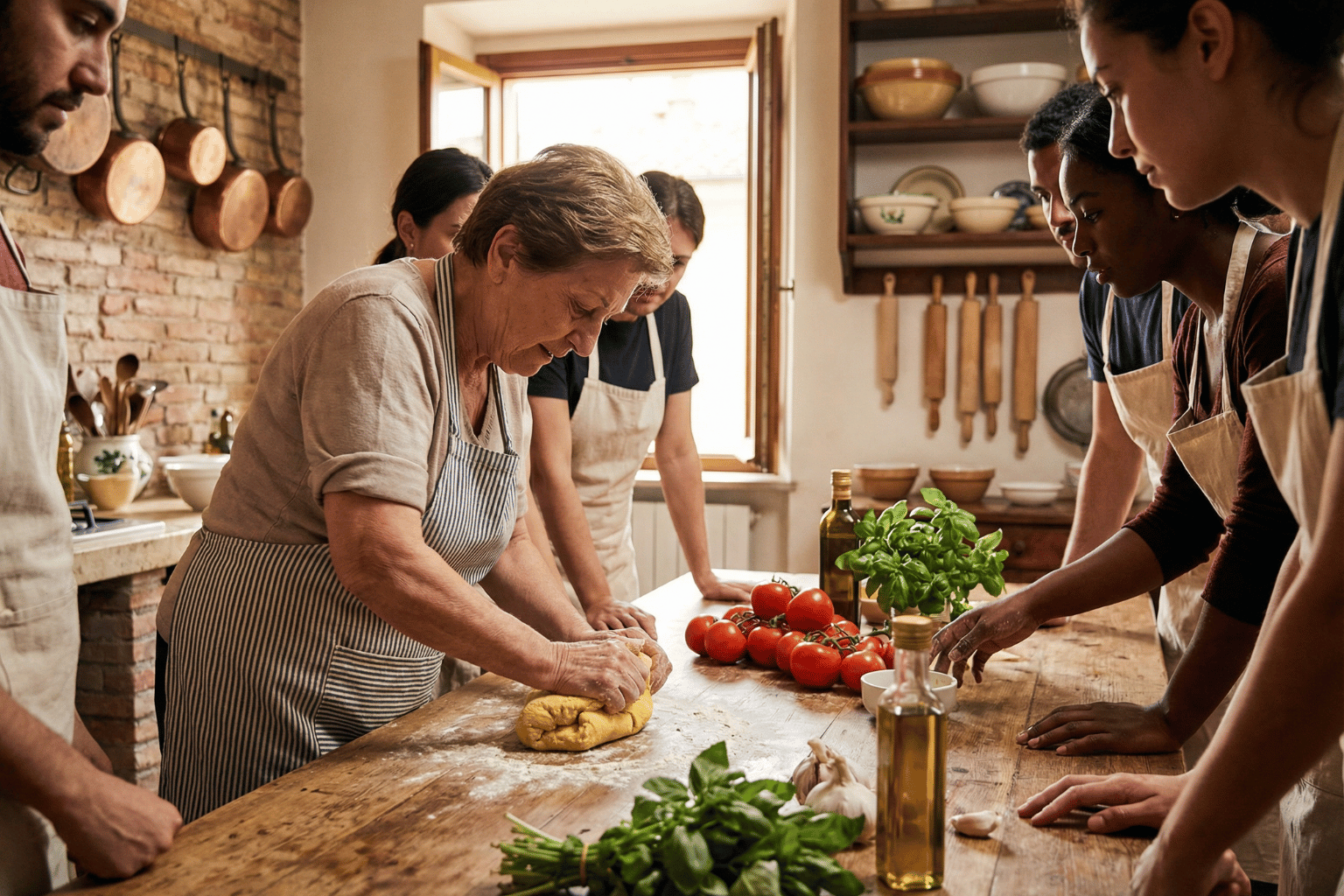
Can You Take a Cooking Class in Rome?

Absolutely – and it’s one of the most fun ways to immerse yourself in local culture. Roman cooking classes are designed for all skill levels and let you make classics while enjoying great company.

  • Roscioli Cooking Classes:

    Learn to prepare fresh pasta (like Cacio e Pepe or Amatriciana), meatballs, and tiramisu, paired with expert wine tasting. Small and intimate.

  • Typical Roman Cooking Class Experience:

    A 3-hour hands-on session featuring pasta, tiramisu, pizza, and gelato—set in cozy kitchens with professional chefs.

Cooking your own Roman feast means you don’t just eat like a local—you cook like one too!

Quick Guide: Where to Try Rome’s Best Dishes

Dish What It Is Where to Try It
Cacio e Pepe Pasta with Pecorino Romano + black pepper Osteria da Fortunata, Roscioli
Carbonara Pasta with guanciale, egg, Pecorino, pepper Da Enzo al 29
Supplì Fried rice balls with mozzarella & tomato Supplì Rome, street vendors
Saltimbocca Veal with prosciutto, sage, white wine Trattoria Da Cesare al Casaletto
Carciofi alla Romana Artichokes braised with mint, garlic, oil Felice a Testaccio
Gelato Authentic Italian ice cream Gelateria del Teatro, Giolitti

FAQs About Roman Food

  1. What food is Rome most famous for?
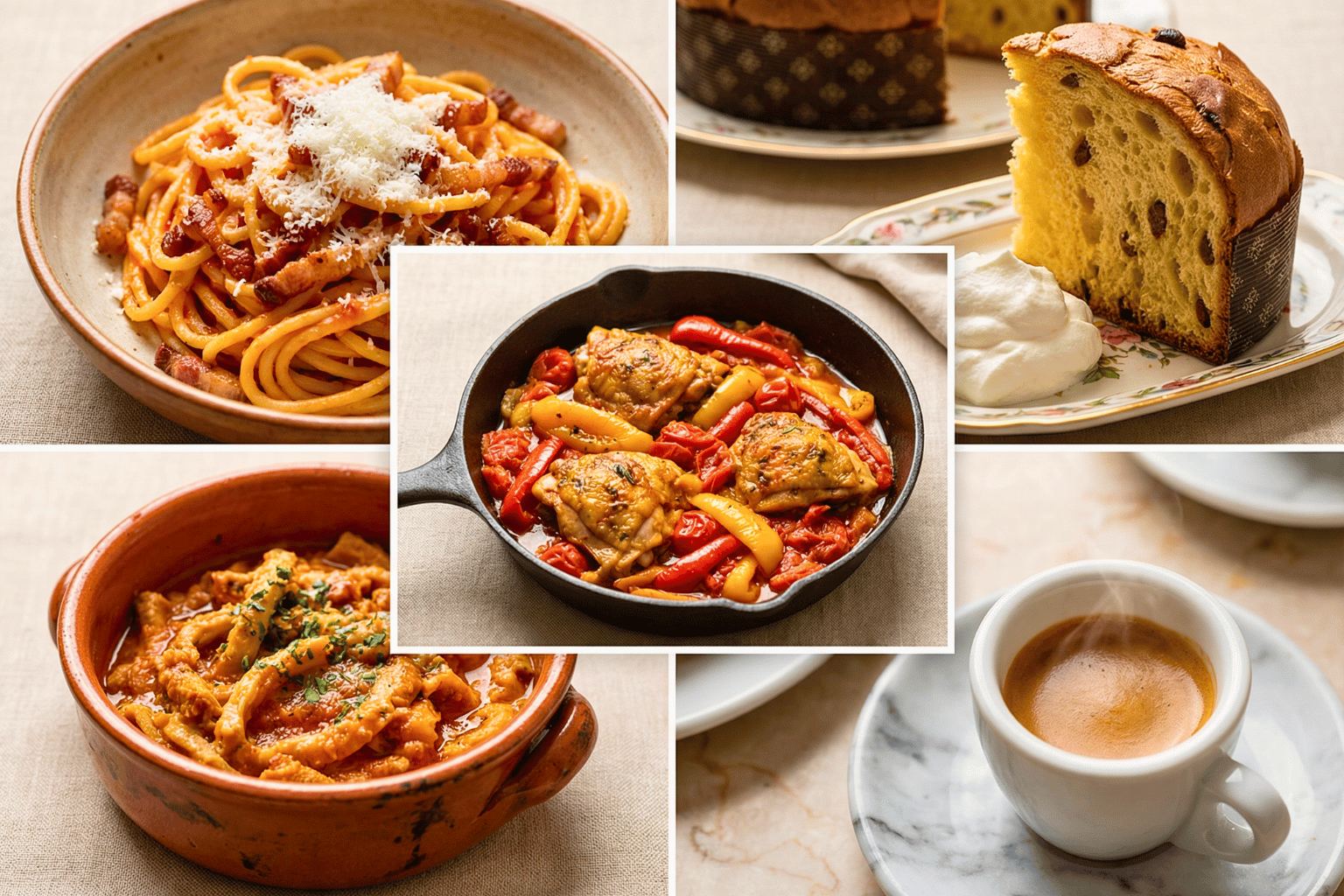
    Rome is best known for pasta dishes like Carbonara, Amatriciana, and Cacio e Pepe, along with street snacks like Supplì and seasonal specialties like artichokes.
  2. What is the most traditional pasta in Rome?
    The “holy trinity” of Roman pasta: Cacio e Pepe, Carbonara, and Amatriciana.
  3. What’s the best dessert to try in Rome?
    Aside from gelato, Rome is famous for tiramisu and sweet pastries found in traditional bakeries.
  4. Can tourists join cooking classes in Rome?
    Definitely! Cooking classes are popular with visitors and offer an interactive way to learn Roman recipes and techniques.

Conclusion

Rome’s food scene is the heartbeat of the city — equal parts history, tradition, and flavor. Whether you’re savoring a bowl of Carbonara in Trastevere, nibbling Supplì from a street stall, or learning to cook Cacio e Pepe in a Roman kitchen, each bite deepens your connection to the Eternal City. Exploring these Must-Try Local Dishes in Rome isn’t just about eating well — it’s about tasting the stories, rhythms, and everyday life of the city itself

If you wish to explore Rome on a budget, truly see the city, and dive into the stories of its past and present, check out our affordable and detailed Rome tours here.