
Naples Before Rome: The Greek City Still Visible Beneath the Streets
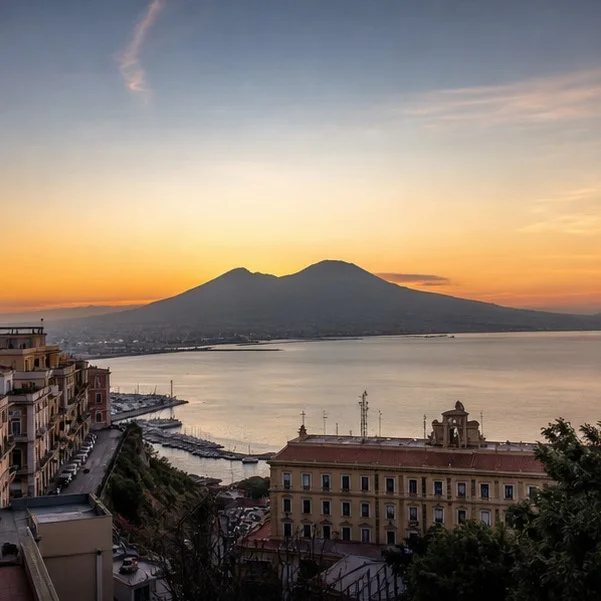
Naples did not begin as a Roman city. Long before Roman rule, Greek settlers created communities around the bay and gave the urban landscape a shape that still affects daily movement.
The Greek city is not preserved as one fenced archaeological park. It survives in street alignments, excavated walls, names, myths and the relationship between high ground and sea.
Trippy Tour Guide’s paid Naples ancient Greece and Chiaia audio tour helps visitors read those layers in context. This article explains the historical pattern without publishing the tour route or stop sequence.
The bay connected early settlements with wider Greek networks of trade, migration and belief.
Parthenope came before Neapolis
Greek settlement in the Bay of Naples developed in stages. An early community known as Parthenope occupied a strategic area near the coast. Its name became linked to the siren Parthenope, whose myth still belongs to Naples.
Later settlers established Neapolis, meaning new city. The name distinguished it from the earlier settlement and eventually became the root of Napoli.
This sequence matters because origin stories rarely begin with a clean foundation date. Communities move, merge and reinterpret the past. Naples inherited both an urban history and a mythic identity.
The siren is not a decorative mascot added later. She represents the idea that the city’s relationship with the sea is emotional as well as economic.
The street grid is an archaeological survival
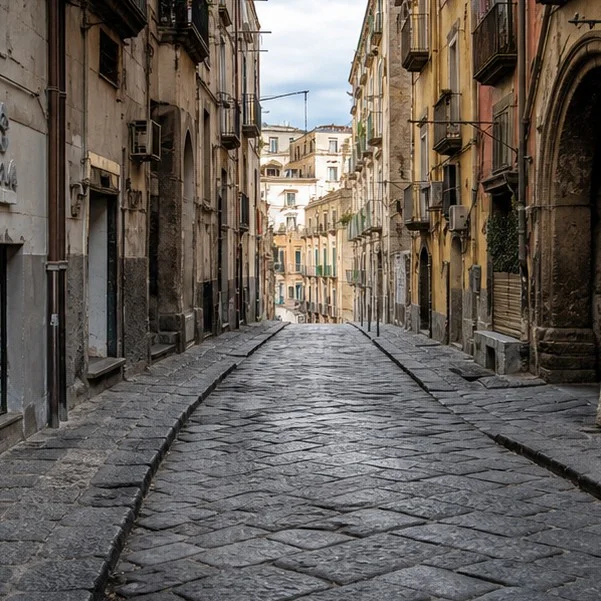
Greek planners organised Neapolis with major east to west streets crossed by narrower north to south streets. Roman rule adapted this structure rather than erasing it.
Modern traffic, shops, homes and churches now occupy the same dense urban field. The ancient grid remains legible because streets are remarkably persistent. Property boundaries, building foundations and habits of movement reinforce one another over centuries.
This is one reason central Naples can feel both chaotic and coherent. The surface is crowded with later life, yet the underlying geometry is old.
Understanding the grid changes the way you look. A street stops being merely a route between attractions and becomes evidence of a city plan that has survived repeated rebuilding.
Public life grew around shared institutions
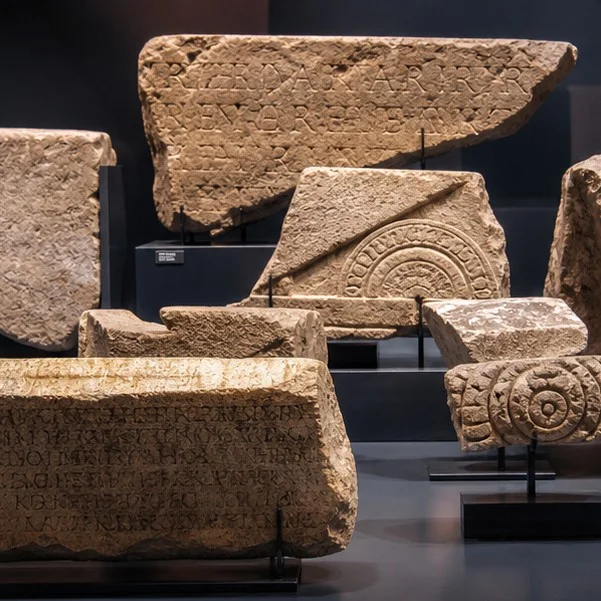
Greek cities were organised through civic, religious and commercial spaces. Neapolis had places for gathering, performance, worship and exchange.
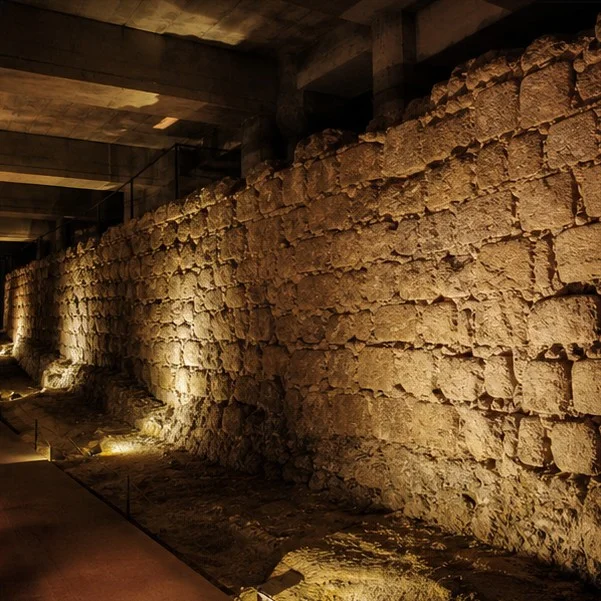
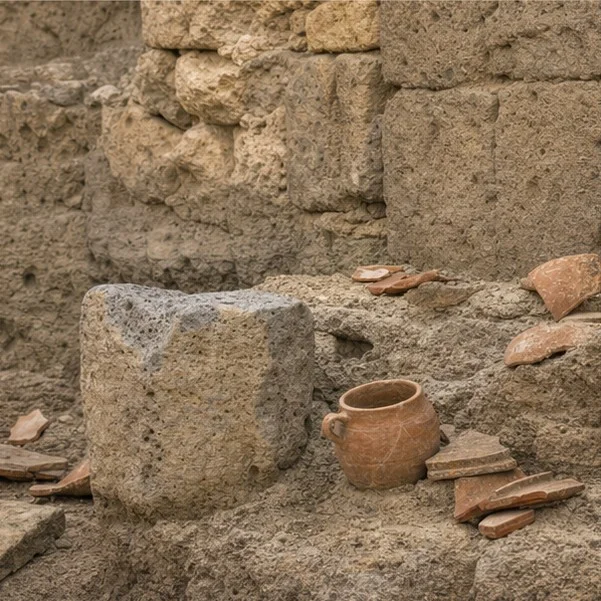
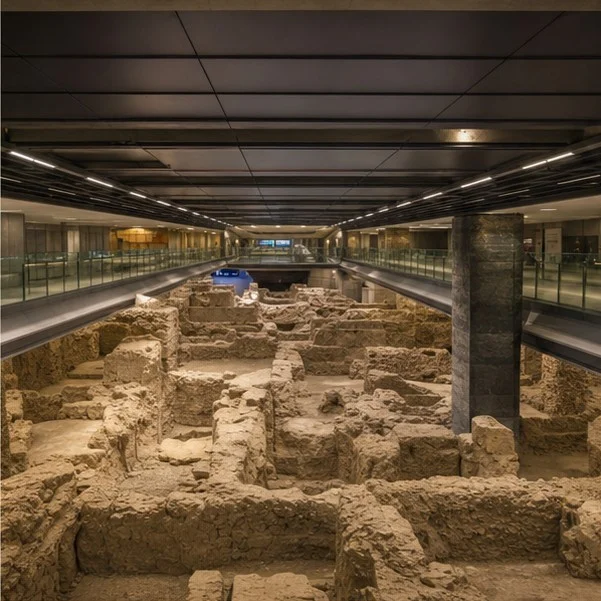
Later construction covered or reused many of these sites. Archaeology often reveals fragments rather than complete monuments. A wall below a station or a buried structure beneath later buildings can still establish how the city expanded.
The evidence also reminds us that ancient urban life was social. Markets, festivals and political relationships mattered as much as architecture.
When modern Naples uses a piazza intensely, it does not simply repeat Greek life. Yet the long habit of public interaction belongs to the continuity of the place.
Read the city below the city
The paid Naples ancient Greece and Chiaia experience connects visible streets and archaeological evidence while keeping its complete route and audio content private.
Rome inherited a Greek city
Neapolis entered the Roman political world but retained a strong Greek cultural identity. Greek language, customs and institutions continued to matter.
Romans admired Greek education and art, and the Bay of Naples became attractive to elite visitors. The city therefore did not experience Romanisation as total replacement.
This layered identity challenges the habit of treating ancient Italy as automatically Roman. Southern Italy had deep Greek roots, often described through the wider idea of Magna Graecia.
In Naples, Greek and Roman histories overlap. A later structure may reuse earlier ground. A Roman street can preserve Greek alignment. The correct question is often not which civilisation owns a site, but how one period adapted another.
Archaeology now appears in everyday infrastructure
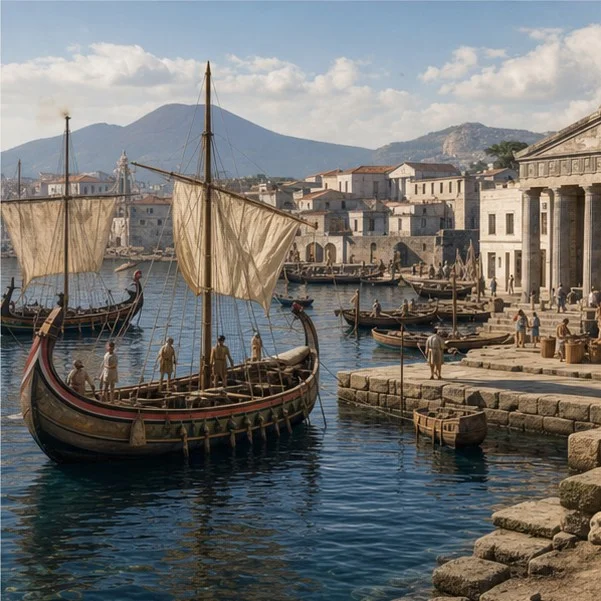
Major construction in Naples has produced significant archaeological discoveries. The Municipio station area revealed parts of the ancient port and vessels from different periods.
The Chiaia station incorporates archaeology and art into a modern transport space. Such discoveries can delay construction, but they also expand public understanding.
This is urban archaeology in its most vivid form. The past is not located outside the functioning city. It appears when the city digs for a new need.
Metro stations can therefore become places where movement through modern Naples includes a view into older levels.
The coastline has moved
Ancient Naples related to a shoreline different from the modern one. Harbour areas silted, construction extended land and later development changed the edge of the bay.
This can make archaeological discoveries seem unexpectedly inland. The city did not move away from the sea. The boundary between land and water changed.
Reading the ancient city therefore requires imagination informed by evidence. Modern buildings can hide where boats once arrived. A busy transport area can occupy an old maritime zone.
The changing shoreline also helps explain why the sea remains central to Neapolitan identity even when ancient water is no longer visible at a site.
Greek Naples survives as an idea of belonging
Parthenope still appears in cultural language, institutions and local identity. The siren’s story has been retold because it gives Naples a founder unlike the military heroes of many cities.
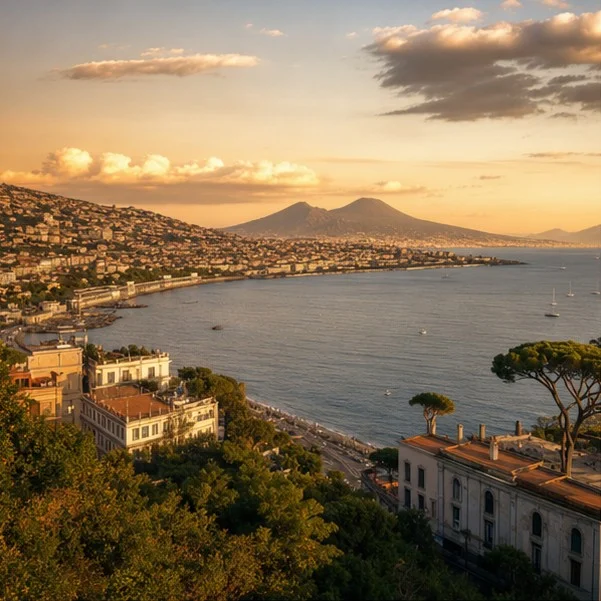
Greek origins also support a broader Mediterranean identity. Naples looks south and east across a sea that carried people, objects and stories.
The most powerful survival is not any single stone. It is the recognition that modern Naples is one phase of a very old urban experiment.
Frequently asked questions
Was Naples founded by Greeks?
Yes. Greek settlement developed around the bay, with Parthenope preceding the foundation of Neapolis.
What does Neapolis mean?
It means new city in Greek. The name eventually developed into Napoli and Naples.
Can you still see the Greek street plan?
Yes. Major alignments in the historic centre preserve the ancient grid, although every street now contains many later layers.
Why are ancient harbour remains found inland?
The coastline changed through silting, construction and land reclamation. Areas that once touched water can now sit within the modern city.
Is the audio tour a list of ruins?
No. The paid Naples ancient Greece and Chiaia tour connects archaeology, myth and living urban history through its complete on location narrative.