The Beatles in London: 8 Places That Changed Music History
Liverpool formed the Beatles, but London amplified them.
Studios, clubs, theatres, homes and offices in the capital became settings where four musicians learned to use recording technology, manage fame and reshape popular culture.
Trippy Tour Guide’s paid London Beatles legacy audio tour brings that history together on location. The eight themes below explain why the places matter without publishing the tour order, navigation or narration.
London placed the band inside a fast moving network of media, fashion, business and experimentation.
1. Abbey Road Studios made the studio an instrument
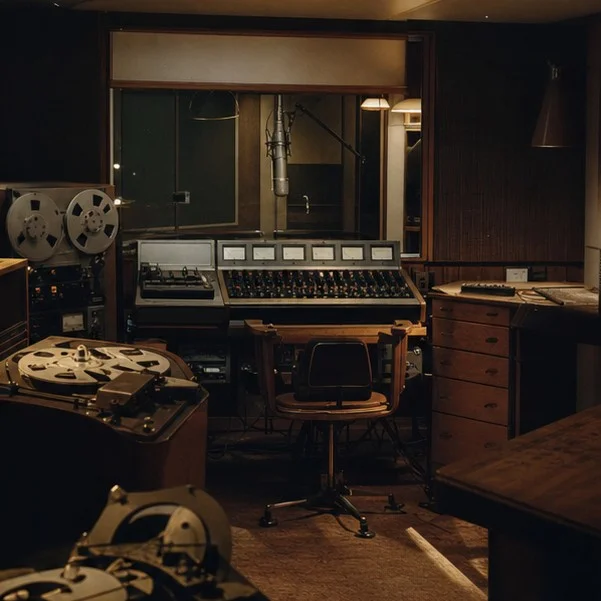
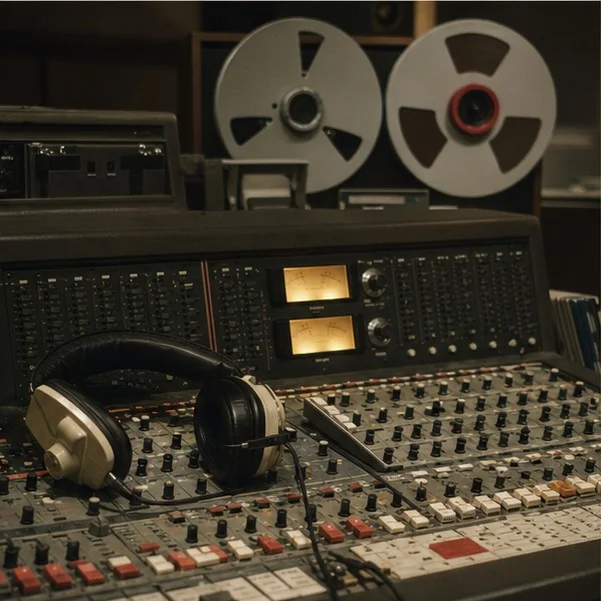
EMI’s studios on Abbey Road became the Beatles’ main recording home. Producer George Martin and engineers including Geoff Emerick helped the band turn ideas into new sonic forms.
The musicians increasingly used the studio as more than a place to document live performance. Tape speed, loops, close microphones, artificial double tracking and unusual combinations of instruments became part of composition.
Many techniques already existed in experimental or professional contexts. The Beatles helped bring them into mass popular listening.
The building matters because collaboration happened there. Songs changed through conversations between performers, producer, engineers and the limits of available equipment.
2. The crossing turned an ordinary street into an icon
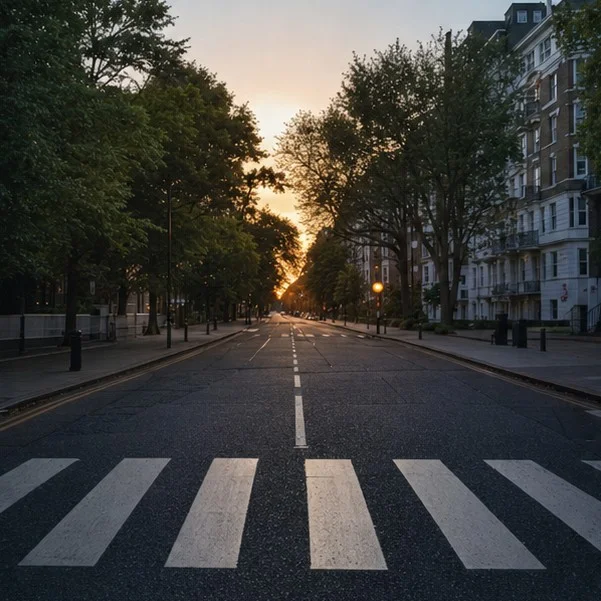
The Abbey Road album cover shows the four Beatles crossing outside the studio. Its visual strength comes from simplicity.
There is no elaborate set and no title on the front. Four figures, white road markings and a familiar urban background carry the entire image.
Fans recreated the crossing until an everyday piece of infrastructure became a global landmark. The location shows how popular culture can transform public space without physically rebuilding it.
Visitors should remember that it remains an active road. The photograph is famous, but safety and respect for residents matter.
3. West End theatres converted music into spectacle
London theatres hosted major Beatles performances, premieres and media events. The band learned to address audiences larger than club crowds.
Royal variety appearances placed them before establishment figures and a national television audience. Their humour helped them manage the difference between youthful popularity and official ceremony.
Film premieres expanded the spectacle. Fans, press and police turned arrival into part of the performance.
The theatre district therefore represents the moment when a successful band became a public phenomenon able to disrupt the ordinary rhythm of the city.
Hear the city behind the songs
The paid London Beatles legacy experience connects music, business and social change while keeping the complete route inside the product.
4. Soho clubs connected the band with changing nightlife
Soho brought musicians, artists, journalists and fashion together in a dense evening economy.
Clubs allowed performers and audiences to exchange ideas quickly. New sounds could move from a late performance into conversation, press and the next recording session.
The Beatles were already famous when they participated in this world, but the district kept them close to creative change.
Soho also represents London’s ability to absorb outsiders. Regional accents, international influences and subcultures challenged older rules of respectability.
5. Homes became laboratories and refuges
Several Beatles lived in or around London during their years of greatest fame. Homes offered private space for writing, listening and meeting collaborators.
They were also difficult refuges. Fans learned addresses, reporters watched movements and ordinary privacy became fragile.
Domestic settings mattered creatively. A musical idea did not begin only in a studio. It could emerge from a piano, tape recorder, conversation or new record heard at home.
The blue plaques associated with John Lennon and George Harrison recognise that the history of music can occupy an ordinary residential facade.
6. Apple represented artistic independence and business confusion
Apple Corps was intended to give the Beatles greater control and support creative projects.
The idea matched the idealism of the late 1960s. A successful band could build a company that treated artists generously and challenged conventional business.
Reality was less orderly. Costs, unclear decisions and management conflict created problems. Apple became both a symbol of independence and evidence that imagination does not replace administration.
Its offices belong to the Beatles story because the group was no longer only making records. They were negotiating ownership, identity and separate ambitions.
7. Savile Row gave the band a final public stage
On 30 January 1969, the Beatles performed on the roof of the Apple building at 3 Savile Row.
The unannounced performance carried sound into nearby streets and offices. Some people welcomed the surprise, while others complained. Police eventually arrived.
The setting gave the event its power. A band that had stopped ordinary touring appeared above a business district, heard before it was fully seen.
It became their final public performance together. Later editing and memory turned a short rooftop set into an image of an era ending in real time.
8. London preserves a network, not one shrine
Abbey Road is the most famous Beatles location in London, but the larger story is distributed.
Recording, performance, domestic life, film, business and conflict occupied different parts of the city. No single address can explain the band’s development.
That network is why a thoughtful music history experience does more than collect photographs. It asks what kind of work happened at each place and how London connected the people involved.
Frequently asked questions
Where is the famous Beatles crossing in London?
It is outside Abbey Road Studios in St John’s Wood. It remains an active public road.
Did the Beatles record all their music at Abbey Road?
Abbey Road was their main recording base, but they also worked in other studios and locations.
Where was the rooftop concert?
It took place on the roof of the Apple Corps building at 3 Savile Row.
Are there official Beatles blue plaques in London?
English Heritage plaques commemorate John Lennon and George Harrison at London addresses. Check the official plaque database for exact details.
Does this list reveal the tour order?
No. The paid London Beatles legacy tour contains the complete sequence, navigation and audio storytelling.