Before Beatlemania: How Liverpool Shaped John, Paul, George and Ringo
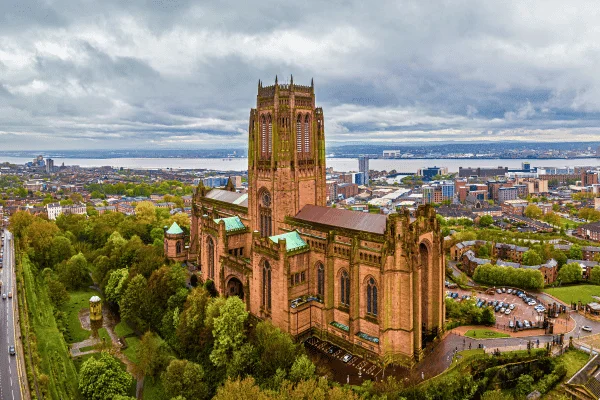
Before the matching suits, stadium screams and global mythology, the Beatles were young musicians formed by a particular city. Postwar Liverpool was damaged but outward looking. Sailors returned with American records, local teenagers embraced skiffle and clubs gave inexperienced groups the chance to become tight performers. John Lennon, Paul McCartney, George Harrison and Ringo Starr did not simply happen to come from Liverpool. The city's humour, class tensions, Catholic and Protestant communities, maritime traffic and appetite for imported music shaped how they listened and how they spoke to the world.
For the complete on location story, explore Trippy Tour Guide's paid Liverpool audio experience. The locations, directions and narration remain inside the experience.
Liverpool: a port heard music early becomes visible through streets, buildings and public space.
A port heard music early
Liverpool's ships carried more than cargo. Merchant seamen brought home records that could be difficult to find through ordinary British distribution. Rhythm and blues, country, rock and roll and vocal harmony reached curious listeners through personal networks. The story is sometimes exaggerated into a single pipeline, but the port's international connections clearly encouraged musical openness. Young performers learned that culture could arrive from across the ocean and be remade in a local accent.
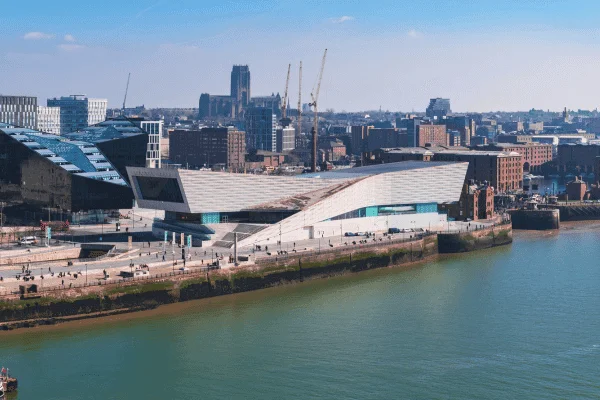
Liverpool: skiffle lowered the barrier to a band becomes visible through streets, buildings and public space.
Skiffle lowered the barrier to a band
The skiffle boom showed teenagers that they did not need orchestral training or expensive arrangements to perform. Guitars, improvised rhythm and familiar songs were enough to begin. John Lennon's Quarry Men emerged in this environment. Paul McCartney met Lennon in 1957 and soon joined; George Harrison followed. The important point is not a neat origin legend. It is that Liverpool had halls, youth clubs and communities where a rough group could play, fail, learn and return.
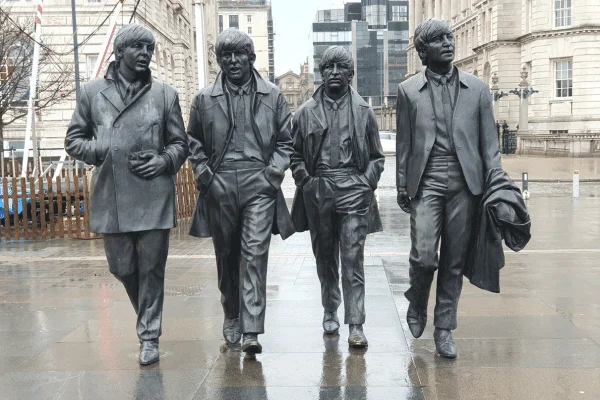
Liverpool: the city taught wit and resilience becomes visible through streets, buildings and public space.
The city taught wit and resilience
Liverpool humour is fast, sceptical and often defensive. It flourished in a city that had endured bombing, economic uncertainty and outside condescension. The Beatles carried that verbal speed into interviews. Their confidence helped them resist being packaged as passive stars. It also made the group feel like a unit. The jokes were not separate from the music. They were part of a social style shaped by crowded homes, school friendships and the need to hold attention.
The paid Trippy Tour Guide Liverpool audio experience develops these themes through place without turning the article into a route list.
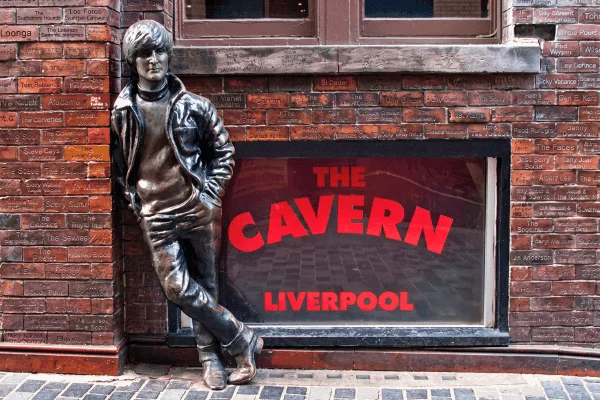
Liverpool: clubs created professional discipline becomes visible through streets, buildings and public space.
Clubs created professional discipline
Liverpool's cellar venues gave bands repeated access to demanding audiences. The Cavern became the most famous, but the wider circuit mattered. Hamburg then intensified the apprenticeship through long sets and relentless performance. By the time wider Britain noticed the Beatles, they had already accumulated extraordinary stage experience. Beatlemania looked sudden from the outside because the years of work were concentrated in rooms that national media rarely watched.
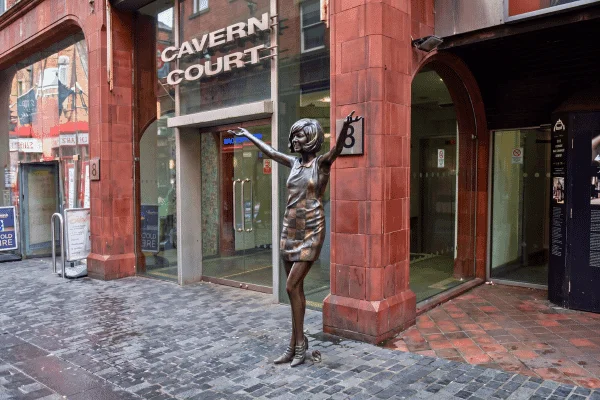
Liverpool: ringo completed a local chemistry becomes visible through streets, buildings and public space.
Ringo completed a local chemistry
Ringo Starr was already an experienced Liverpool musician when he joined in 1962. His drumming gave the group a distinctive foundation, while his personality balanced the other members. Reducing the story to three school friends plus a late replacement misses the competitive local scene that developed all four. Liverpool supplied rivals, collaborators and audiences who could hear weakness immediately. The city's musical ecosystem mattered as much as any single landmark.
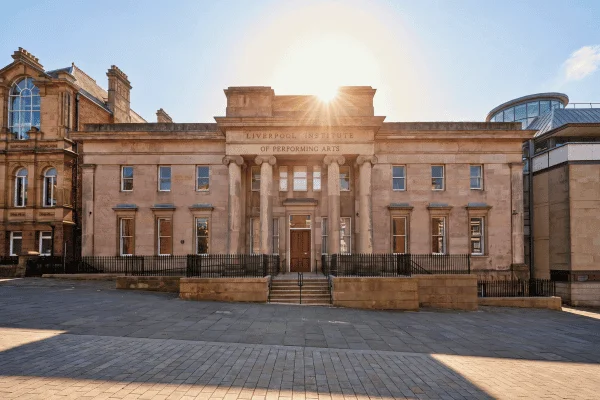
Liverpool: why the liverpool story still matters becomes visible through streets, buildings and public space.
Why the Liverpool story still matters
Later success turned ordinary streets and meeting places into pilgrimage sites. The risk is that nostalgia freezes the musicians as destined for greatness. Their early history is more useful when it restores uncertainty. They borrowed, practised, changed names, lost members and played poor shows. Liverpool offered raw material and pressure, not a guarantee. That makes the eventual breakthrough more impressive and gives today's creative cities a lesson: talent grows through places where people can repeatedly perform.
What the wider story reveals
The most rewarding way to understand this subject is to connect visible places with the systems, choices and memories that produced them. A landmark becomes more than a photograph when its contradictions are allowed to remain. This article provides the wider argument. The audio experience supplies a separate, carefully paced encounter on location.
Continue the story on location
Use the paid Trippy Tour Guide Liverpool audio experience for the complete narration and navigation. The article deliberately keeps those elements separate.
Open the paid Liverpool audio experience
Frequently asked questions
Where did John Lennon meet Paul McCartney?
They met at a church fete in Woolton in 1957, when Lennon's Quarry Men performed.
Why did Liverpool have such a strong music scene?
Port connections, imported records, skiffle and a dense network of venues created an unusually fertile environment.
Does the blog list the full Beatles tour?
No. The paid audio experience keeps its own route, navigation and complete narration.