Why Naples Worships Its Dead: Cults, Miracles and Sacred Skulls
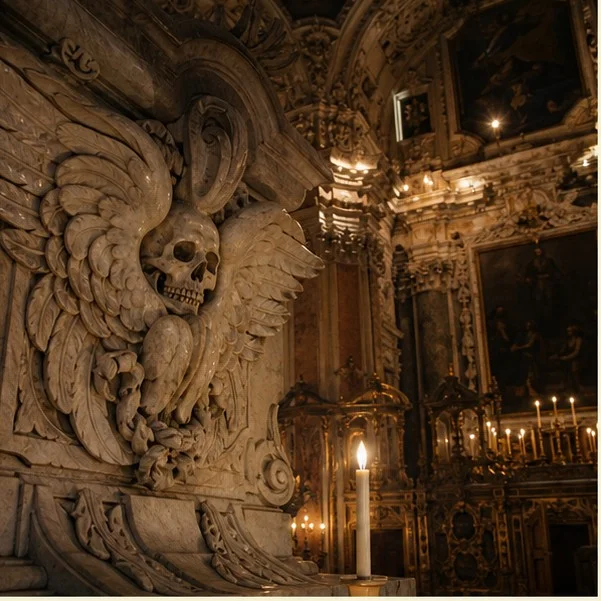
Naples has a reputation for living close to death. Churches hold skulls that receive names, care and petitions. Underground burial places became centres of popular devotion. Stories of answered prayers connect anonymous remains with living families.
Calling this worship can be misleading. The tradition is better understood as a relationship between souls believed to need prayer and people who need help.
Trippy Tour Guide’s paid Naples old town origins and cults audio tour explains that relationship in its urban setting. This article provides cultural background without giving away the tour sequence or narration.
Care for anonymous remains created a personal connection between the living and souls awaiting relief.
The pezzentella soul was poor in the afterlife
The phrase anime pezzentelle refers to abandoned or needy souls. The word suggests poverty.
These souls were believed to remain in Purgatory without enough relatives to pray for them. A living person could adopt a skull, offer prayer and care for its resting place. In return, the soul might provide protection, guidance or a favour.
The exchange did not require the dead person’s known identity. An anonymous skull could receive a name through dreams, intuition or tradition.
This transformed neglect into relationship. Someone forgotten in death could gain a new community, while a living devotee gained an advocate close to divine power.
Purgatory made reciprocity imaginable
Catholic teaching describes Purgatory as purification before heaven. Popular devotion gave that doctrine an immediate emotional form.
Souls in Purgatory could not complete their purification alone, but the prayers of the living could help them. Those souls were also thought capable of interceding.
This created a chain of mutual aid. The living prayed upward for the dead, and the dead carried requests further upward.
The practice was especially meaningful in a city marked by epidemic, poverty and sudden death. Formal institutions did not always provide security. A personal relationship with a soul offered hope that unseen allies remained active.
Skulls became faces, not objects
Human remains can appear anonymous in a large ossuary. Neapolitan practice often moved in the opposite direction.
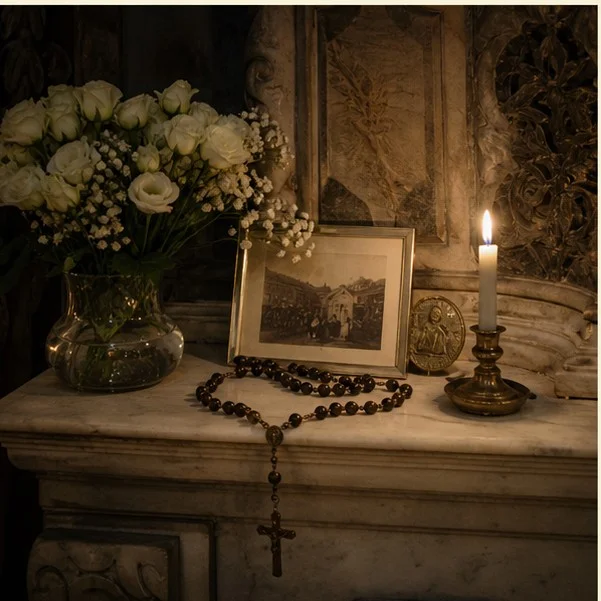
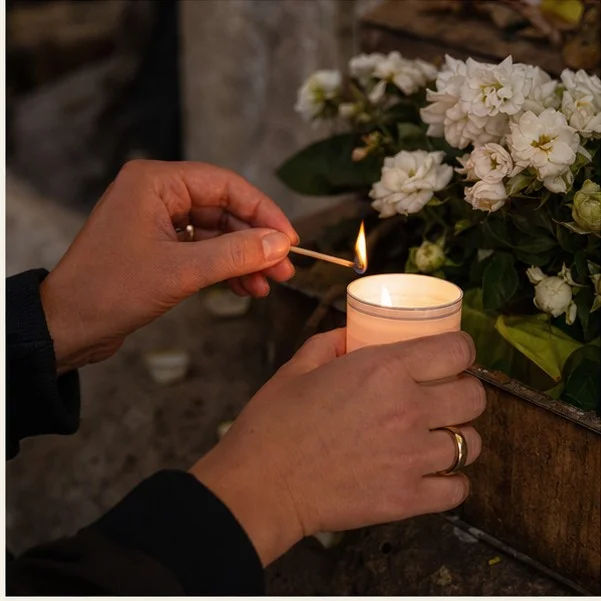
Devotees cleaned a skull, placed it on a cushion or inside a small case and brought flowers, notes or candles. The skull became a capuzzella, a little head, spoken to with familiarity.
Dreams were important. A soul might reveal a name or request. Signs could be read in coincidence, luck or the outcome of a petition.
From outside, this can look macabre. Within the tradition, care is central. The skull is not a trophy. It is the visible focus of a moral relationship.
Approach the tradition with context and respect
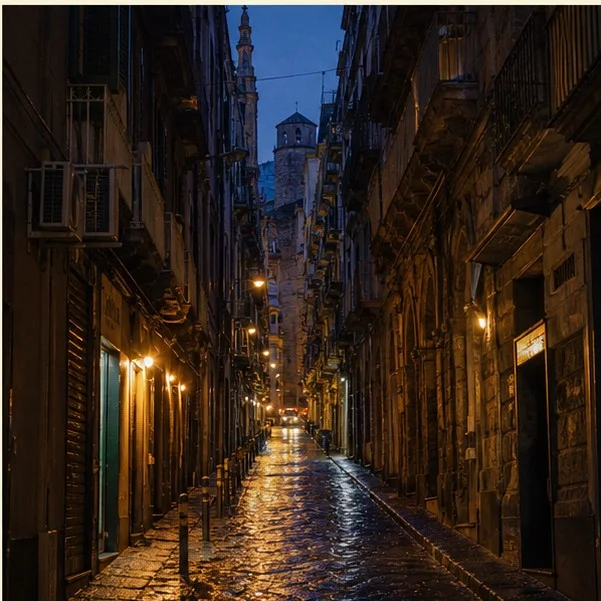
The paid Naples old town origins and cults experience connects belief, history and place without reducing sacred practice to spectacle.
The church at Purgatorio ad Arco gives the cult a visual language
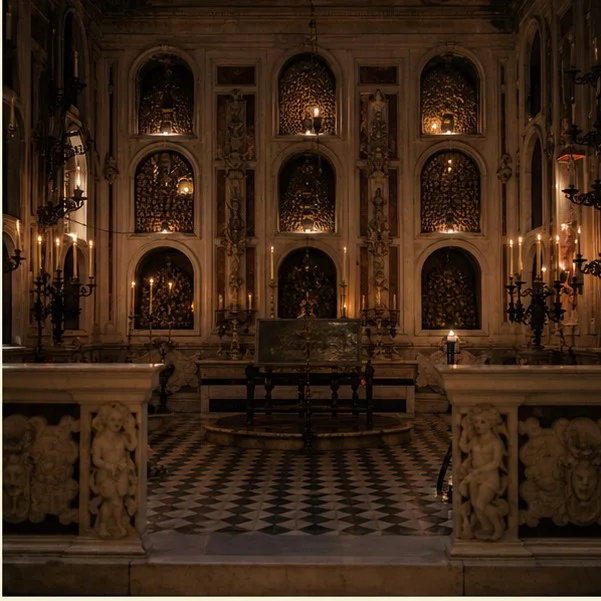
Santa Maria delle Anime del Purgatorio ad Arco was created in the seventeenth century around devotion to souls in Purgatory.
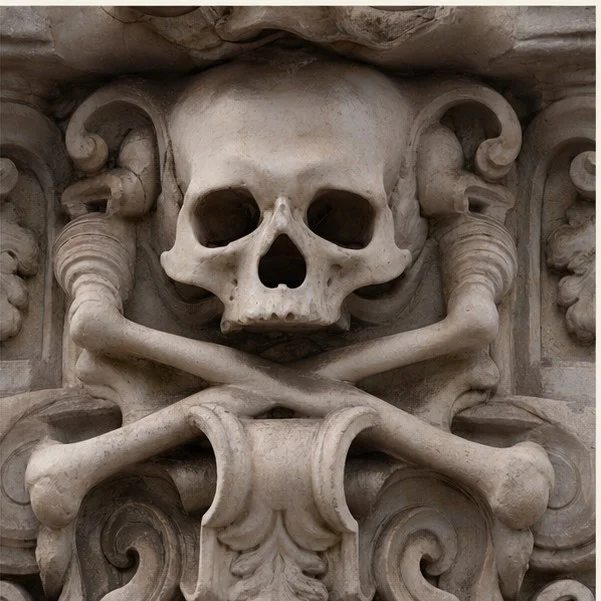
Its imagery makes death impossible to ignore. Skulls, bones and flames communicate the urgency of prayer. The lower church and hypogeum bring worshippers physically closer to burial and remembrance.
One famous skull is associated with Lucia, imagined as a young bride. Devotees have asked her help with love, marriage and family concerns.
The story demonstrates how a small personal narrative can humanise an entire theology. Lucia is remembered not because her biography is securely documented in every detail, but because generations formed a relationship with her.
Fontanelle turned catastrophe into community
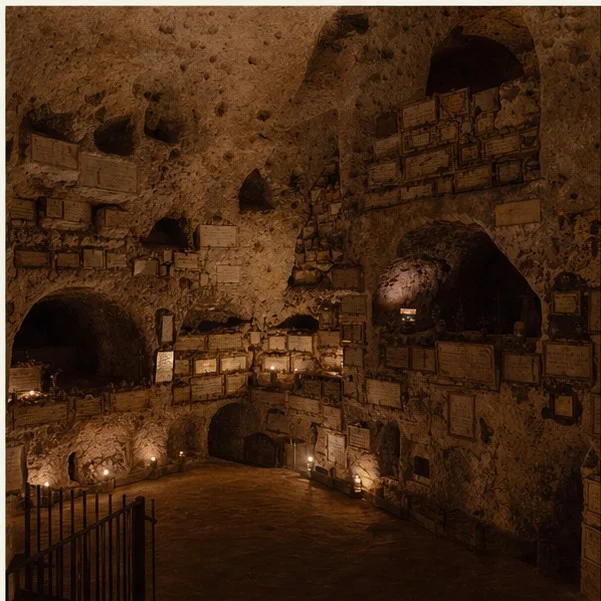
The Fontanelle Cemetery occupies a vast tuff quarry. It received human remains during periods when ordinary burial space was inadequate, including times of epidemic.
Bones from different places and social groups accumulated together. Later organisation made the site accessible, and popular devotion developed around particular skulls.
The setting magnified the central idea of the cult. Thousands had died without an individual monument, yet attention could rescue one soul from total anonymity.
Access to Fontanelle has changed over time because conservation and safety are complex. Visitors should verify current information through official city channels rather than relying on old travel posts.
Miracles were part of an everyday moral economy
Requests to the souls could concern health, work, family or protection. A favourable result might be recognised as a miracle or grace.
Gratitude mattered. Devotees returned with flowers, plaques or continued prayer. Neglecting a promise could invite anxiety.
This moral economy resembles other forms of popular devotion in which saints and sacred figures become personal protectors. The distinctive Neapolitan feature is the role of anonymous dead who gain identity through relationship.
The practice also crossed social boundaries. People with limited institutional power could create a direct devotional bond without needing elite status.
Why the cult was restricted
Church authorities sometimes worried that devotion to skulls encouraged superstition or confused doctrine. In the twentieth century, official restrictions attempted to control the cult.
Practices changed, but memory remained. Naples continues to display an unusual comfort with combining sacred imagery, family affection, humour and mortality.
Visitors should resist treating this culture as exotic theatre. Similar needs exist everywhere: to remember the forgotten, negotiate uncertainty and believe that relationships survive death.

Frequently asked questions
Do people in Naples literally worship skulls?
The tradition is better described as devotion to souls in Purgatory. Skulls act as a physical focus for prayer, care and petition.
What is an anima pezzentella?
It is a needy or abandoned soul believed to lack relatives who can pray for it.
What is a capuzzella?
The word means little head and refers affectionately to a skull that receives devotional attention.
Is Fontanelle Cemetery always open?
Access can change for safety and conservation reasons. Check the official Naples city portal before planning a visit.
Does the tour reveal sacred sites respectfully?
Yes. The paid Naples old town origins and cults tour provides cultural context and responsible on location storytelling.