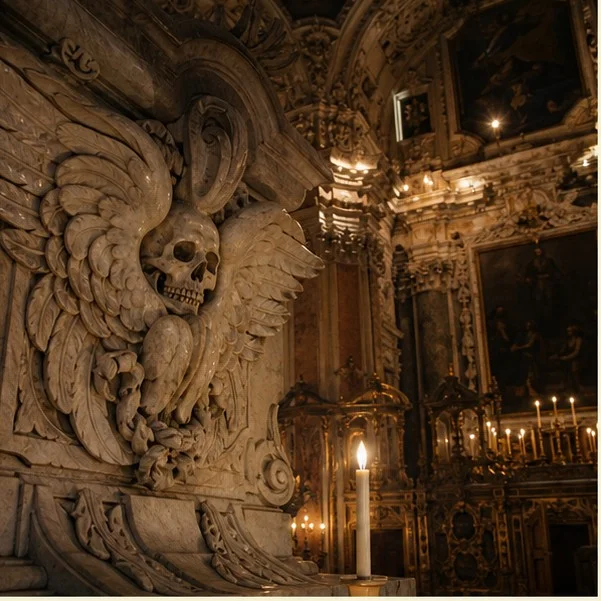
The Dark Side of Florence: Murder, Curses and Cold Cases Behind the Renaissance
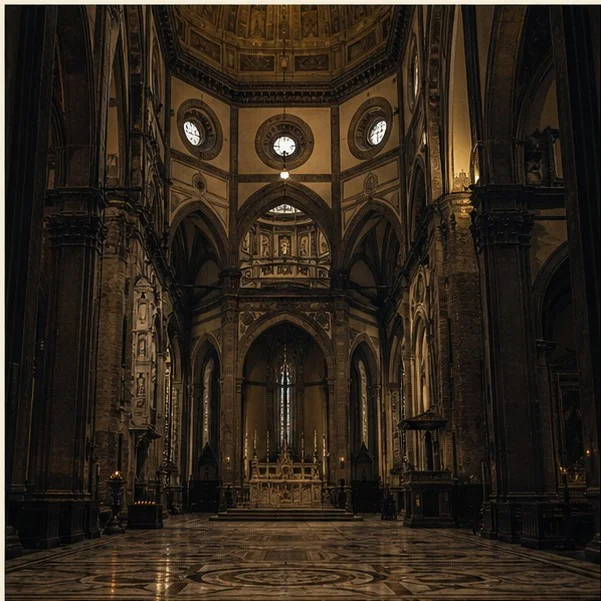
Florence can look almost too beautiful to have a criminal past. Marble facades, elegant palaces and museum masterpieces encourage a polished version of the Renaissance.
The real city was also shaped by vendetta, public execution, factional violence and fear. Banking families competed for power, governments changed suddenly and churches could become stages for political murder.
Trippy Tour Guide’s paid Florence dark mysteries and legends audio tour explores that tension on location. This article explains the historical ideas without disclosing the tour sequence, directions or narration.
The city’s refined surfaces conceal a history in which beauty, faith and violence often occupied the same spaces.
Renaissance Florence was not a peaceful golden age
The word Renaissance suggests awakening, learning and artistic rebirth. It can hide the instability that made display so important.
Florence was a republic in theory, but access to office and influence was uneven. Elite families formed alliances, controlled credit and used marriage to strengthen their networks. Political defeat could mean exile, confiscation or death.
Public ritual helped contain this tension. Processions, religious festivals and civic ceremonies gave the city a shared identity. Yet the same squares and churches could also witness punishment or political theatre.
Dark Florence is therefore not a separate city beneath the famous one. It is the same city viewed without the flattering light.

The Pazzi conspiracy turned Mass into an assassination scene
On 26 April 1478, attackers struck Lorenzo and Giuliano de’ Medici during Mass in Florence Cathedral. Giuliano was killed. Lorenzo escaped wounded.
The setting made the crime especially shocking. A cathedral should have offered sacred protection, yet political violence entered at the most dramatic possible moment.
The conspiracy involved members of the Pazzi family and figures with wider political connections. Its failure strengthened Lorenzo’s position, while the retaliation was immediate and brutal. Suspects and conspirators were killed, and bodies became warnings.
The episode is often told like a thriller, but its importance is larger. It shows how banking, papal politics, family competition and public image could converge in a single act.
Justice was meant to be seen
Modern courts often separate punishment from daily urban life. Renaissance Florence used visibility.
Condemned prisoners could be moved through streets, accompanied by religious confraternities and watched by residents. Executions and displayed bodies communicated that the government had restored order.
This did not make justice neutral. Winners defined treason, and factional change could transform yesterday’s official into tomorrow’s criminal. Public punishment offered certainty even when the underlying politics remained contested.
Art also recorded these conflicts. Images of executed traitors and official inscriptions could extend a sentence beyond death, turning memory into another field of control.
Look beyond the polished Renaissance
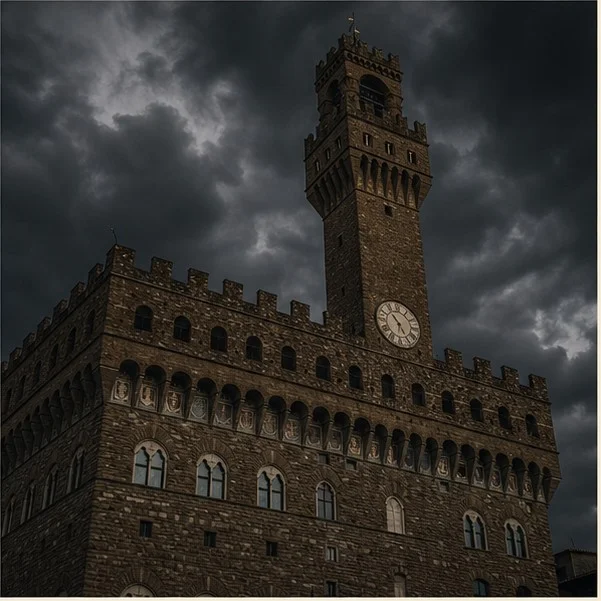
The paid Florence dark mysteries and legends experience brings documented history and local storytelling together while keeping the complete tour content inside the product.
Curses reveal what official records cannot
Stories of curses, ghosts and signs should not be treated as court evidence. They matter for a different reason. Legends preserve emotional truth.
A cursed building may encode public anxiety about wealth acquired unfairly. A restless ghost can express discomfort with an unresolved death. A miraculous warning may give moral order to an event that appeared random.
Florence accumulated such stories because its streets were dense with memory. Families lived near palaces associated with old enemies. Religious images occupied corners where residents passed every day. A story could attach itself to stone and survive changes of government.
The best historical approach does not ask only whether a legend is literally true. It asks why people repeated it, who benefited and what fear it made understandable.
Cold cases begin with missing voices
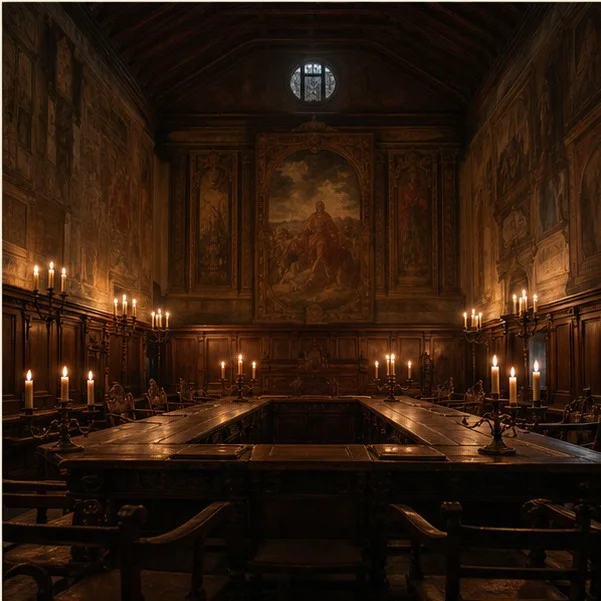
The phrase cold case is modern, but the problem of incomplete evidence is ancient. Florence’s archives are extraordinarily rich, yet they preserve power unevenly.
Officials, wealthy families and institutions left extensive records. Servants, migrants, women outside elite circles and the urban poor often appear only when authority noticed them. A sudden disappearance or suspicious death may survive as a fragment rather than a complete investigation.
Historical mystery writing can easily become overconfident. A gap in evidence is not proof of a conspiracy. Responsible storytelling separates documented fact, contemporary accusation and later legend.
That distinction makes a mystery more compelling, not less. It allows the reader to see how history is constructed and why some questions remain open.
The Medici understood the power of survival
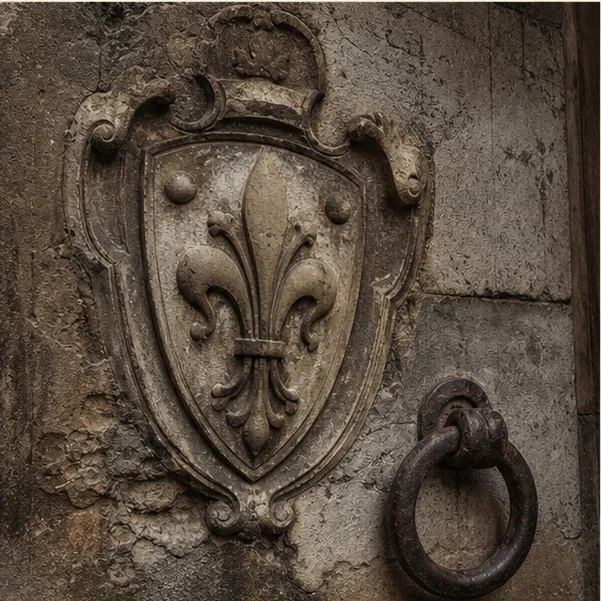
Lorenzo’s escape from the cathedral attack became part of Medici political identity. Survival could be narrated as providence, courage or proof that enemies had failed.
The family’s later history repeated the pattern of expulsion and return. Medici power was never simply inherited in a straight line. It had to be defended, performed and revised.
This helps explain Florence’s visual splendour. Patronage was not only personal taste. Buildings, chapels, sculpture and ceremony created legitimacy. They could make unstable authority appear natural and permanent.
The darker history does not diminish the art. It clarifies why art mattered so much.

How to enjoy dark history without turning tragedy into entertainment
Mystery draws attention, but murder victims were real people. The strongest dark history avoids theatrical cruelty for its own sake.
Look for sources. Notice when a story shifts from record to rumour. Be cautious when a legend becomes more detailed centuries after the event. Ask whose voice is missing.
Most importantly, connect violence to the structures around it. The Pazzi conspiracy makes sense only within a struggle for power. Public punishment belongs to civic authority. Curses belong to memory and moral anxiety.
Frequently asked questions
What was the Pazzi conspiracy?
It was a 1478 plot to remove Medici power. Giuliano de’ Medici was killed during Mass, while Lorenzo survived. The failed attack was followed by severe retaliation.
Are Florence ghost stories historically true?
Some stories are connected to documented people or events, while others are later folklore. A careful account labels the difference.
Why were executions public?
Public punishment demonstrated authority, warned potential opponents and presented political order as a visible fact.
Is dark Florence only about the Medici?
No. The wider subject includes republican conflict, religious anxiety, criminal justice, social inequality and memories that outlived individual governments.
Does this article reveal the tour?
No. The paid Florence dark mysteries and legends tour contains its own route, timing and full audio storytelling.