How the Medici Bought the Renaissance and Nearly Lost Florence
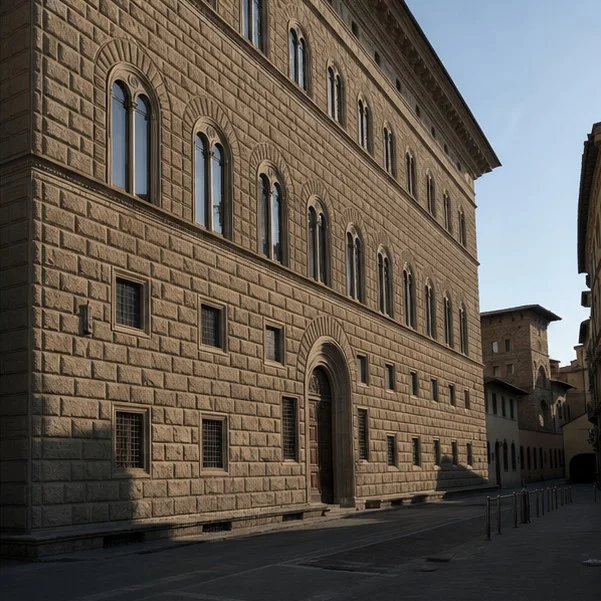
The Medici did not purchase the Renaissance like a collector buying a finished painting. They built influence through banking, marriage, political relationships and carefully chosen acts of patronage.
Their money helped artists, architects and scholars attempt extraordinary work. It also helped one family dominate a republic that officially rejected hereditary rule.
Trippy Tour Guide’s paid Florence Renaissance and Medici audio tour explores that contradiction in the city. This article explains the system without reproducing the tour route or narration.
Banking created the resources, information and relationships that made cultural influence possible.
The Medici bank turned trust into power
Giovanni di Bicci de’ Medici expanded the family bank at the end of the fourteenth century. Its branches connected Florence with major European markets and the papal court.
Banking was not simply the movement of coins. It depended on information, reputation and reliable partners. A family that understood credit also understood political obligation.
The Medici could support allies, place relatives and learn where influence was shifting. Their wealth was impressive, but their network was more valuable than any single vault.
This explains why the family rose without immediately taking a crown. Florence remained a republic. Power worked through office holding, loyal friendships and the ability to shape decisions while appearing to respect civic forms.

Cosimo ruled by appearing not to rule
Cosimo de’ Medici became the central figure in Florentine politics during the fifteenth century. His enemies understood the danger and forced him into exile in 1433.
The exile failed. Cosimo’s financial relationships and supporters helped him return the following year. His opponents were displaced, and he became even more influential.
Yet Cosimo avoided the public style of a prince. He worked through allies and institutions. This balance was essential. Florentines valued republican identity, even when real power was concentrated.
His patronage supported churches, libraries, architecture and scholarship. Generosity enhanced the city, honoured God and made Medici leadership visible without an official throne.
Patronage converted wealth into memory
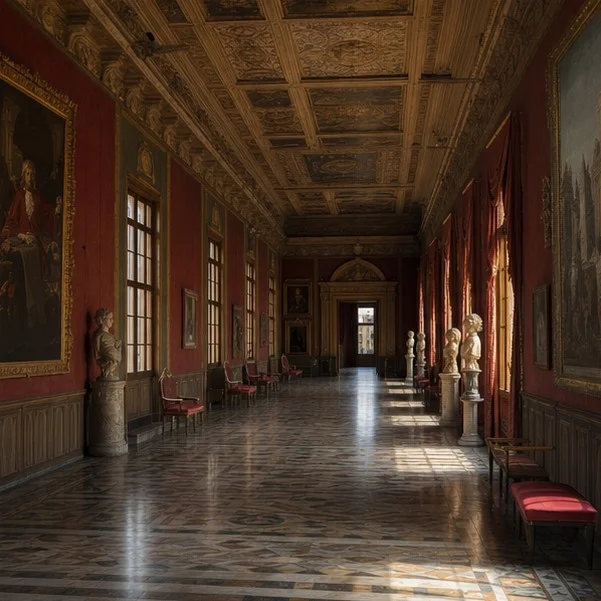
Money disappears quickly when it is spent on meals, clothes or private comfort. Monumental art can survive for centuries.
The Medici invested in projects that attached their family to sacred places and public beauty. Brunelleschi, Donatello, Fra Angelico, Botticelli and Michelangelo all belonged to the wider story of Medici support, though their relationships with individual patrons differed.
Patronage was not a simple order from a wealthy client to an obedient artist. Artists negotiated, delayed and developed their own ambitions. Institutions and guilds also commissioned major works.
The family’s success came from association. When Florence’s cultural prestige grew, Medici prestige grew with it.
Understand the city behind the masterpieces
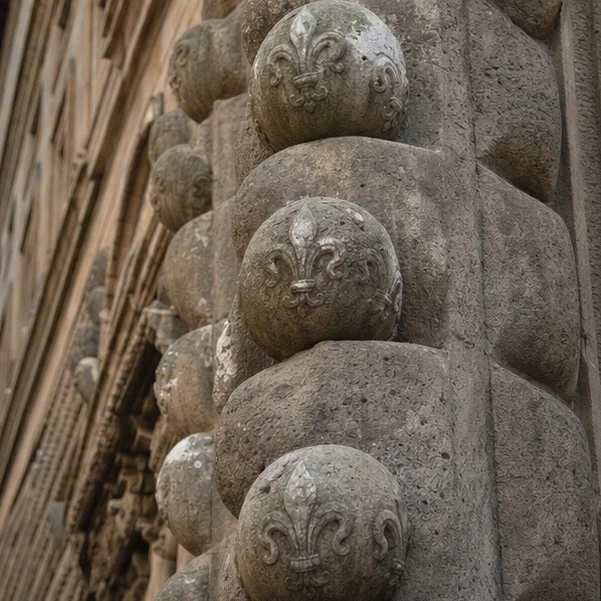
The paid Florence Renaissance and Medici experience connects art with banking and political survival while keeping the complete experience inside the tour.
Lorenzo made culture part of diplomacy
Lorenzo de’ Medici is remembered as the Magnificent. He wrote poetry, supported artists and participated in the intellectual life of the city.
He was also a political operator managing alliances in a dangerous Italian system. After the Pazzi conspiracy killed his brother Giuliano, Lorenzo survived and strengthened his authority.
Culture helped him build relationships. A gifted artist, manuscript or carefully staged celebration could communicate refinement and confidence. Florence’s cultural reputation became diplomatic capital.
This is why Lorenzo should not be reduced to a generous art lover. His cultural activity belonged to government, family strategy and the creation of an image that could outlast immediate crises.
The bank declined while the family image grew
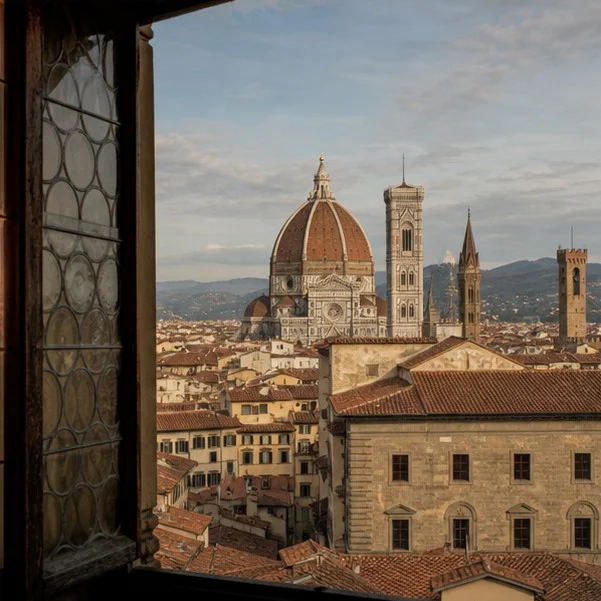
The Medici bank did not remain permanently successful. Poor management, risky loans and troubled branches weakened it. The family’s political obligations could conflict with strict financial discipline.
This decline reveals an important truth. Medici power was never guaranteed by endless cash. Reputation and political control could continue even as the original banking machine lost strength.
In 1494, after Lorenzo’s death, his son Piero failed to manage a French invasion and political crisis. The family was expelled. Florence attempted to rebuild republican government.
The great patrons had nearly lost the city because their authority still depended on performance and consent.
Exile did not end Medici ambition
The Medici returned in 1512 with outside support. Their influence then expanded through the church, including two Medici popes.
Florence expelled them again in 1527. When imperial forces restored the family in 1530, republican resistance was defeated. The political form changed decisively, and Medici rule developed into a hereditary duchy.
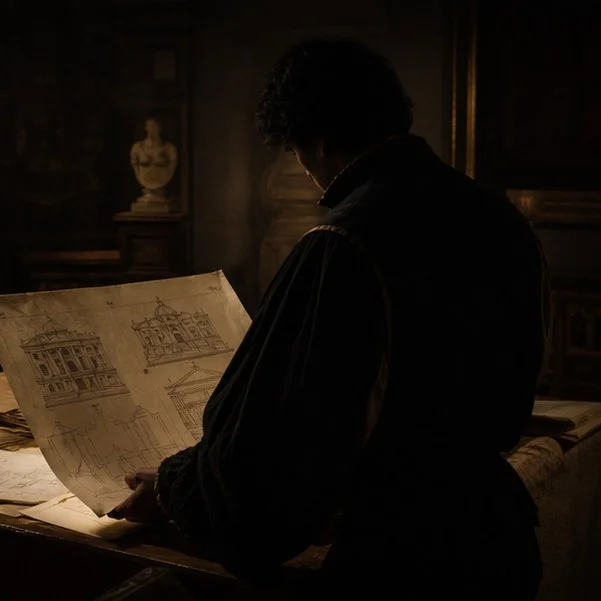
This path was not a smooth rise. It was a sequence of improvisations, expulsions and returns. Each restoration required a new explanation of why Medici rule was legitimate.
Art and architecture supported that explanation. Palaces, collections, ceremonies and controlled views presented dynasty as the natural frame of Florentine history.
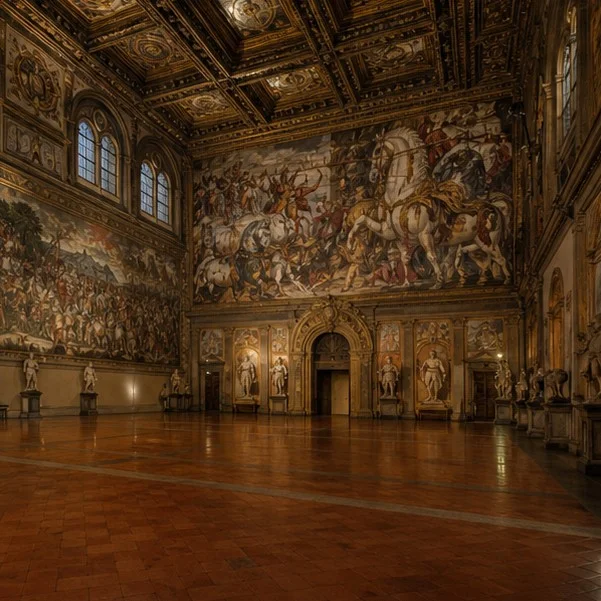
The Uffizi and the corridor reveal mature dynasty
The Uffizi began as administrative offices under Cosimo I, not simply as a museum. Its ordered architecture expressed central government.
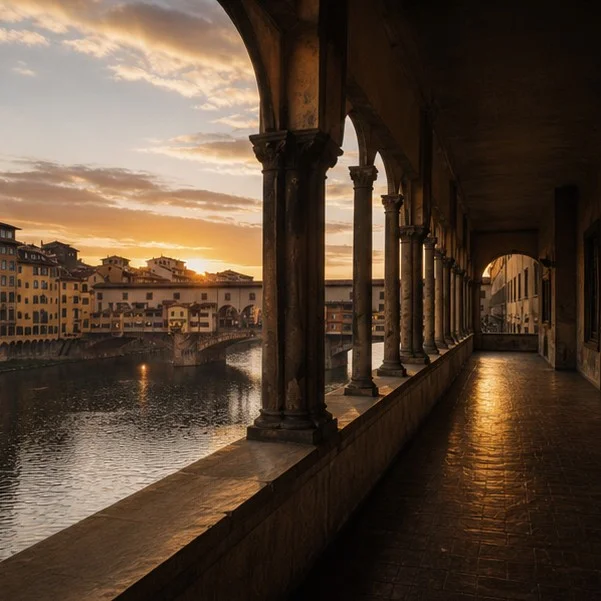
The Vasari Corridor linked political and residential spaces above the streets. It allowed the ruling family to move privately while looking over the city. The idea is almost a diagram of Medici power: close to public life, yet protected from it.
Pitti Palace and the collections later associated with the Uffizi show how the dynasty converted political success into cultural inheritance.
Modern visitors benefit from that collecting, but the beauty should not erase the system that assembled it.
Frequently asked questions
Did the Medici create the Renaissance?
No single family created it. Guilds, religious institutions, republican government, merchants and other patrons also supported major work. The Medici were unusually effective at connecting cultural achievement to family power.
How did the Medici control a republic?
They relied on allies, financial relationships, influence over office selection and careful public behaviour. Their rule was often indirect before it became openly dynastic.
Why were the Medici expelled?
Opposition to concentrated power, military crises and failures of leadership all contributed at different moments. The family was expelled in 1494 and again in 1527.
What happened to the Medici bank?
It declined during the later fifteenth century because of management problems, risky relationships and failing branches.
Does the audio tour include more detail?
Yes. The paid Florence Renaissance and Medici tour delivers the complete on location story and navigation.