King’s Landing vs. Dubrovnik: What Game of Thrones Changed and What Was Real
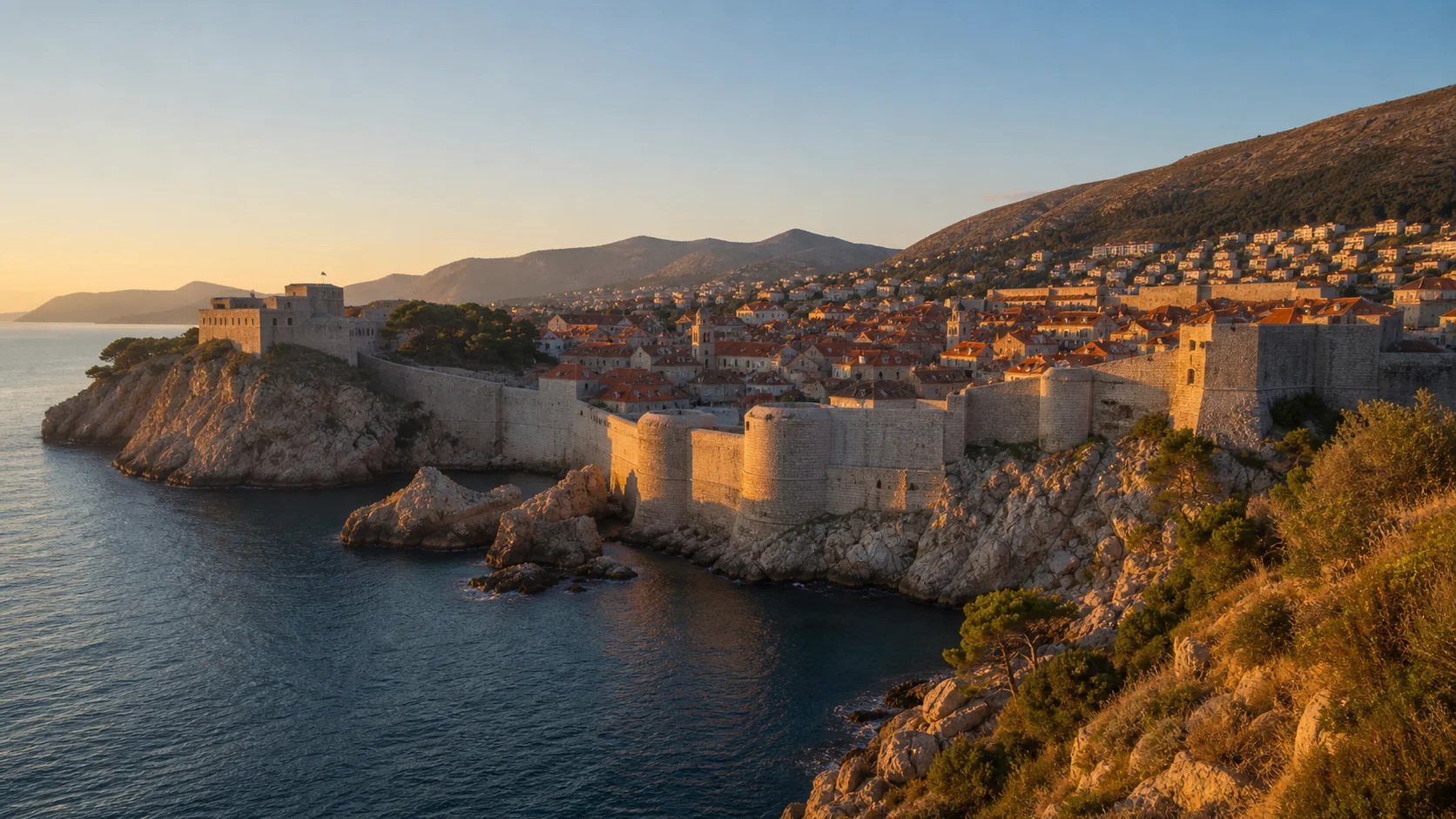
The fictional capital drew its authority from a real fortified city built around the sea.
Dubrovnik did not need to look imaginary before it could become King’s Landing. It already had massive walls, a bright stone centre, a harbour pressed beneath fortifications and a skyline that seemed designed for political drama.
From season two onward, the production used Dubrovnik and nearby locations for many of the exterior Game of Thrones scenes set in the capital of the Seven Kingdoms. Props and visual effects expanded the city, altered details and connected places that are separate in real life. Yet the weight of the fictional city came from real stone.
The most interesting comparison is not a checklist of filming spots. It is the way the production borrowed Dubrovnik’s architecture while stripping away the republic, diplomacy and civic discipline that created it.
To compare scenes with their real settings while hearing both stories, use Trippy Tour Guide’s paid Dubrovnik Game of Thrones audio experience. The complete location order and navigation remain inside the product rather than being published here.
Why Dubrovnik could become King’s Landing
King’s Landing needed to feel ancient, wealthy, crowded and vulnerable to attack. Dubrovnik offered all four qualities within a compact landscape.
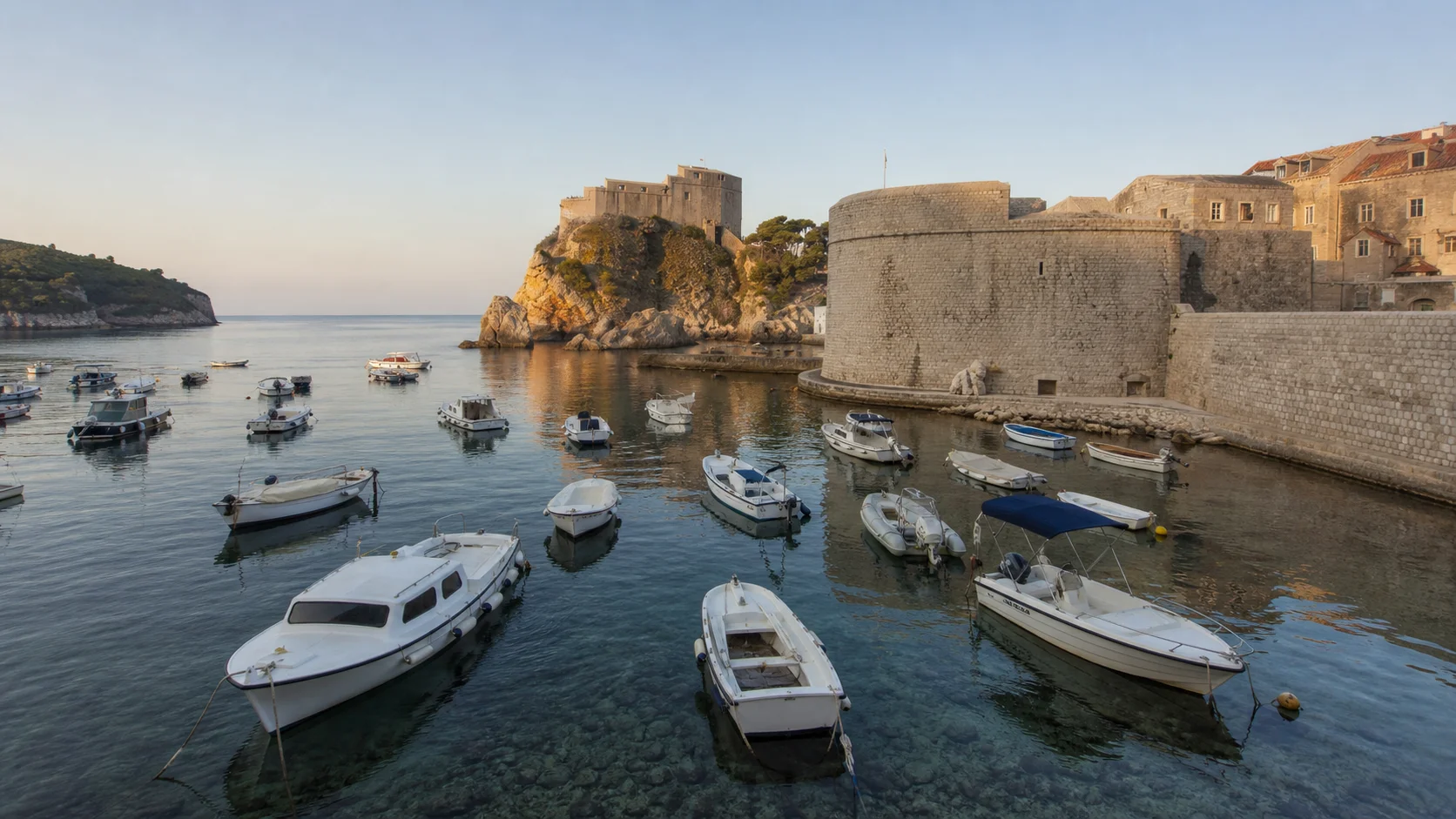
The walls created immediate political meaning. Anyone outside them looked excluded or threatening. Anyone standing above them appeared powerful. The harbour connected the city to trade and invasion. Fort Lovrijenac supplied a separate mass of stone across a narrow bay, allowing the camera to suggest layers of royal defence.
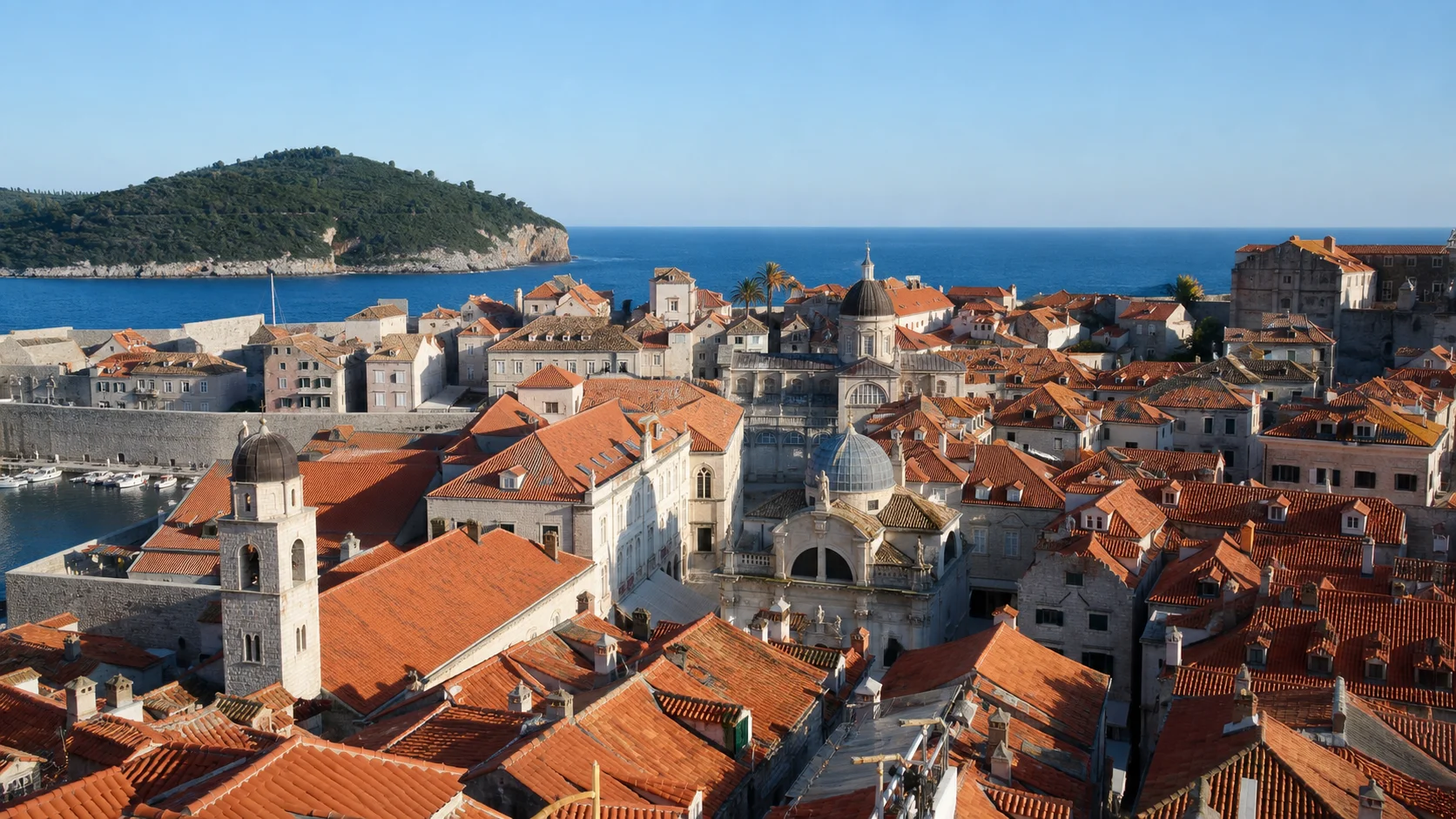
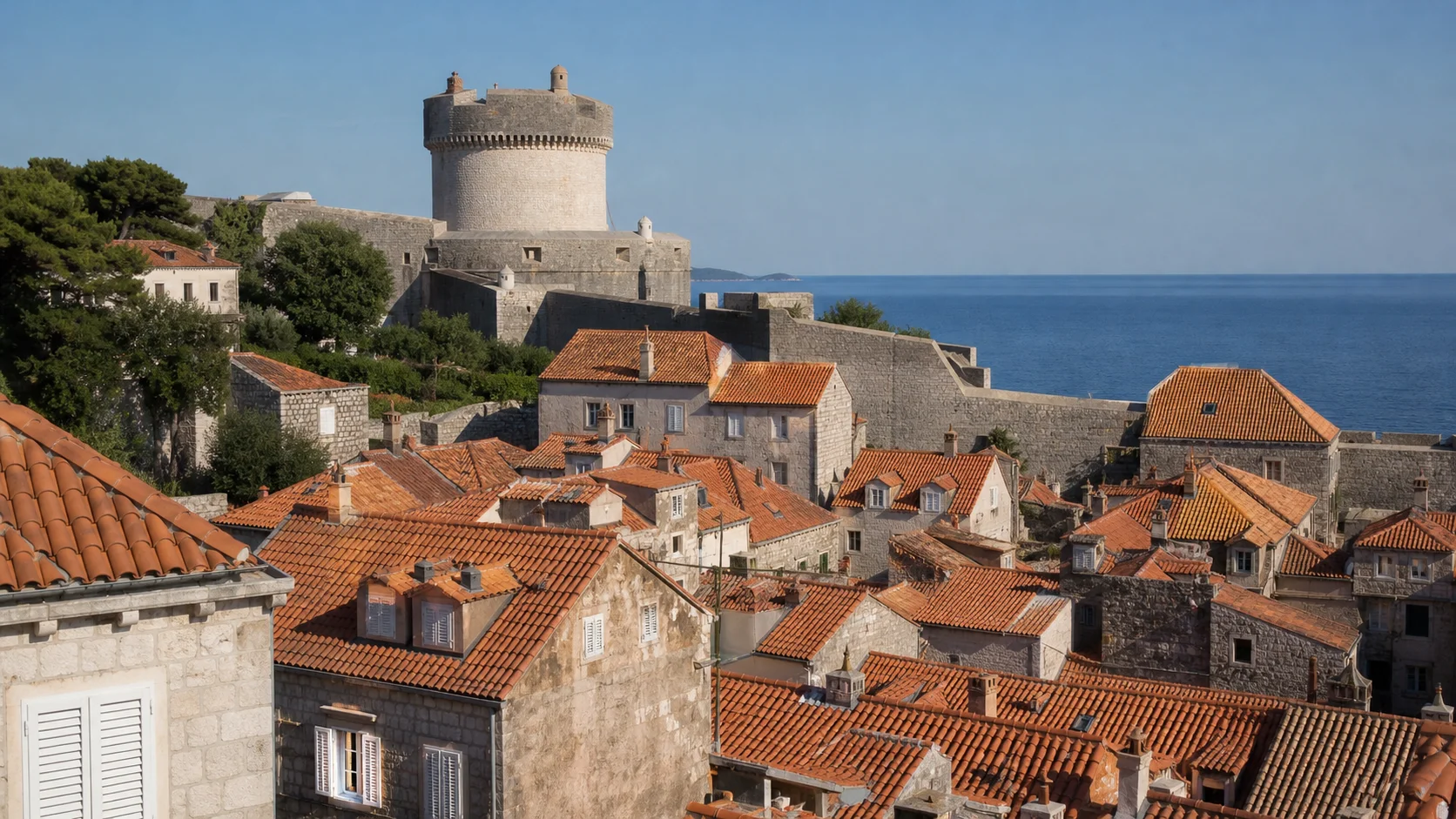
The colour of the city also mattered. Pale limestone reflects hard Adriatic light, while terracotta roofs give the view from above a clear visual rhythm. The production could add towers, banners and distant structures without losing the physical logic of the place.
Fort Lovrijenac became royal power
The Dubrovnik Tourist Board identifies Fort Lovrijenac as the Red Keep, the royal stronghold where the king sits. Its location made the choice persuasive. The fortress rises from a rock outside the western wall, facing both the sea and the city.
On screen, the setting helped separate royal authority from the streets below. Courtyards and terraces could be framed as parts of a palace complex, even though the real fortress belonged to Dubrovnik’s defensive system.
The fiction focused on monarchy. The real city was shaped by a republic that worked hard to prevent any individual from acquiring that kind of power. That contrast is more revealing than a perfect scene match.
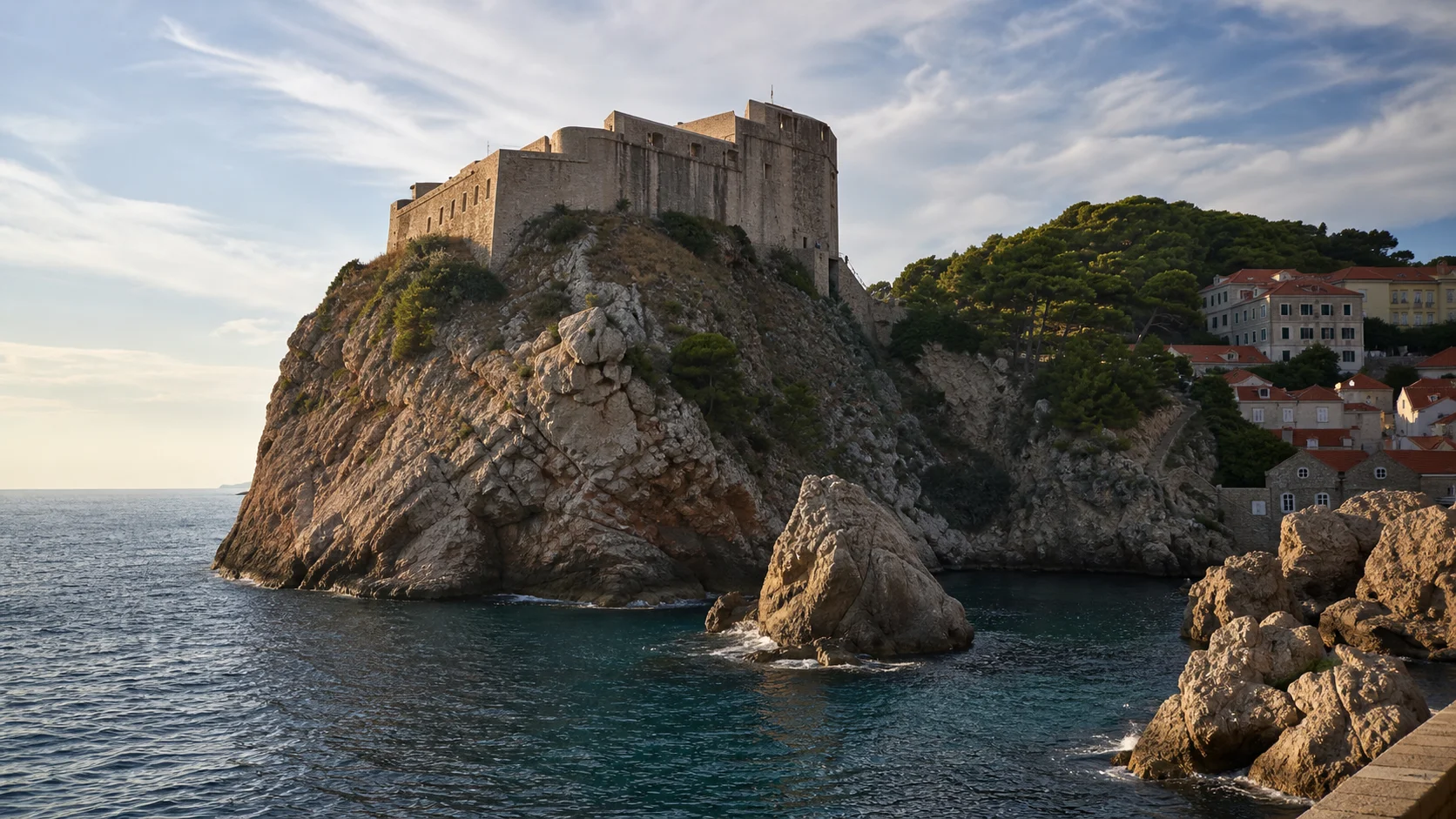
Blackwater Bay was assembled from real coastal geography
The small bay between Lovrijenac and the walls became part of the screen geography around King’s Landing. The production used water, fortifications and steep rock to make the capital feel exposed to naval attack.
The Battle of Blackwater required a scale larger than the real inlet. Visual effects and editing supplied fleets, destruction and expanded space. The bay provided the physical anchor that made those additions believable.
Visitors often recognise the angle before they understand why it worked. The real location concentrates three useful elements in one frame: a fortified city, a separate stronghold and open water leading toward both.
The Jesuit Steps were already a stage
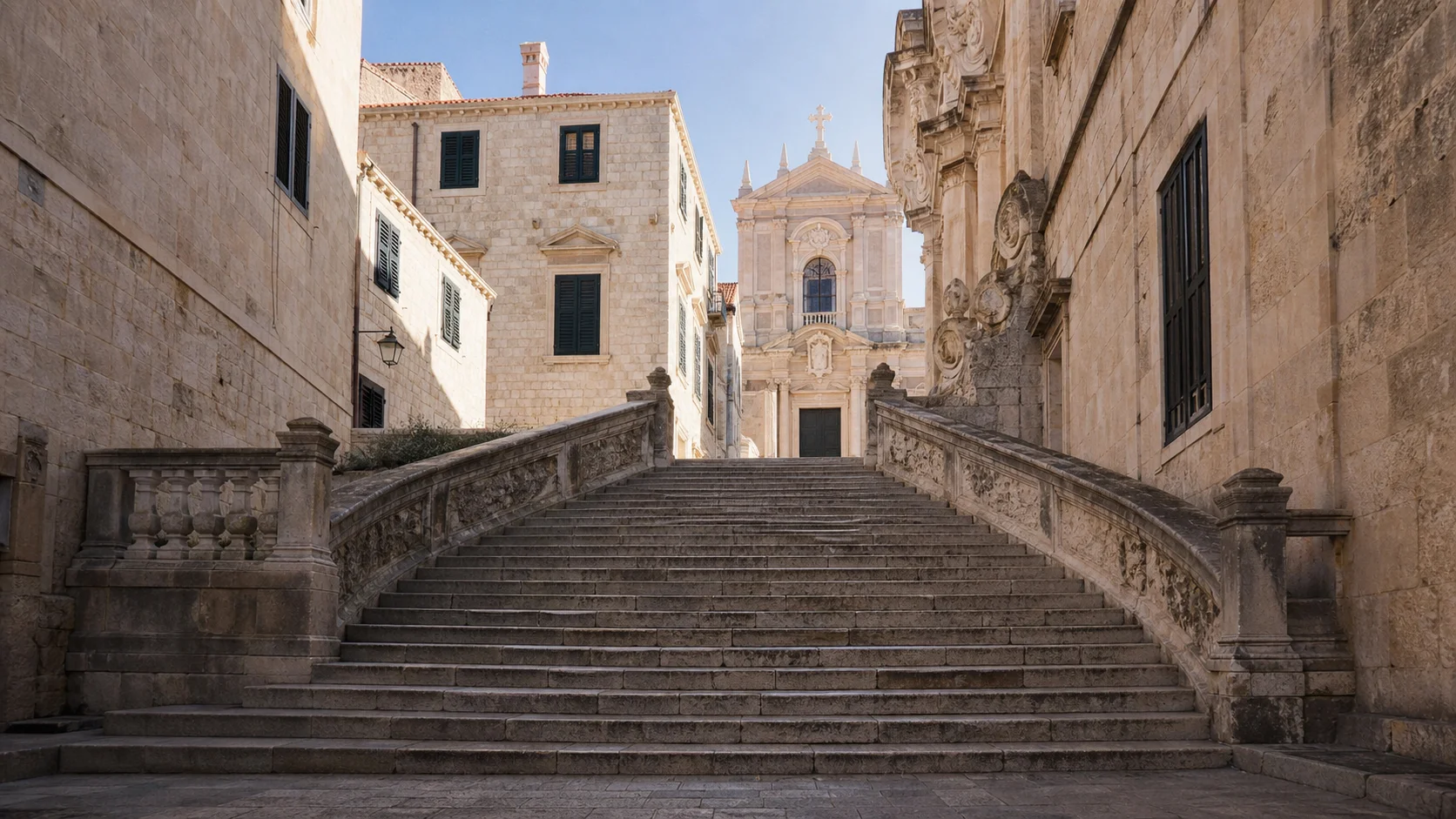
The Jesuit Steps are remembered by fans as the beginning of Cersei’s Walk of Atonement. Long before the series arrived, the staircase was designed to create drama.
The Dubrovnik Tourist Board describes the steps as part of the city’s finest Baroque ensemble. Pietro Passalacqua designed them in 1738 to connect Gundulić Square with the higher square beside the Church of St Ignatius and the former Jesuit college.
Their theatrical force comes from controlled movement. The staircase narrows attention, raises the church above the viewer and turns anyone descending into the focus of the space. Game of Thrones used that existing Baroque logic for humiliation and spectacle.
Minčeta became a place of mystery
Minčeta is the highest and most visually dominant tower in Dubrovnik’s defensive system. In Game of Thrones, its exterior became the House of the Undying as Daenerys searched for her stolen dragons.
The scene changes the tower’s purpose. A fortification designed to project protection becomes something closed, uncanny and inaccessible. The circular mass and high walls make the fictional transformation feel natural.
The real history is equally dramatic. The tower developed over centuries and carries the work of Renaissance military design, including the influence of Michelozzo. Its authority does not depend on fantasy.
See the production choices without losing the real city
Trippy Tour Guide’s paid Dubrovnik Game of Thrones audio tour connects screen moments with the architecture and history beneath them. The product keeps the complete walking sequence, directions and fuller narration in the app.
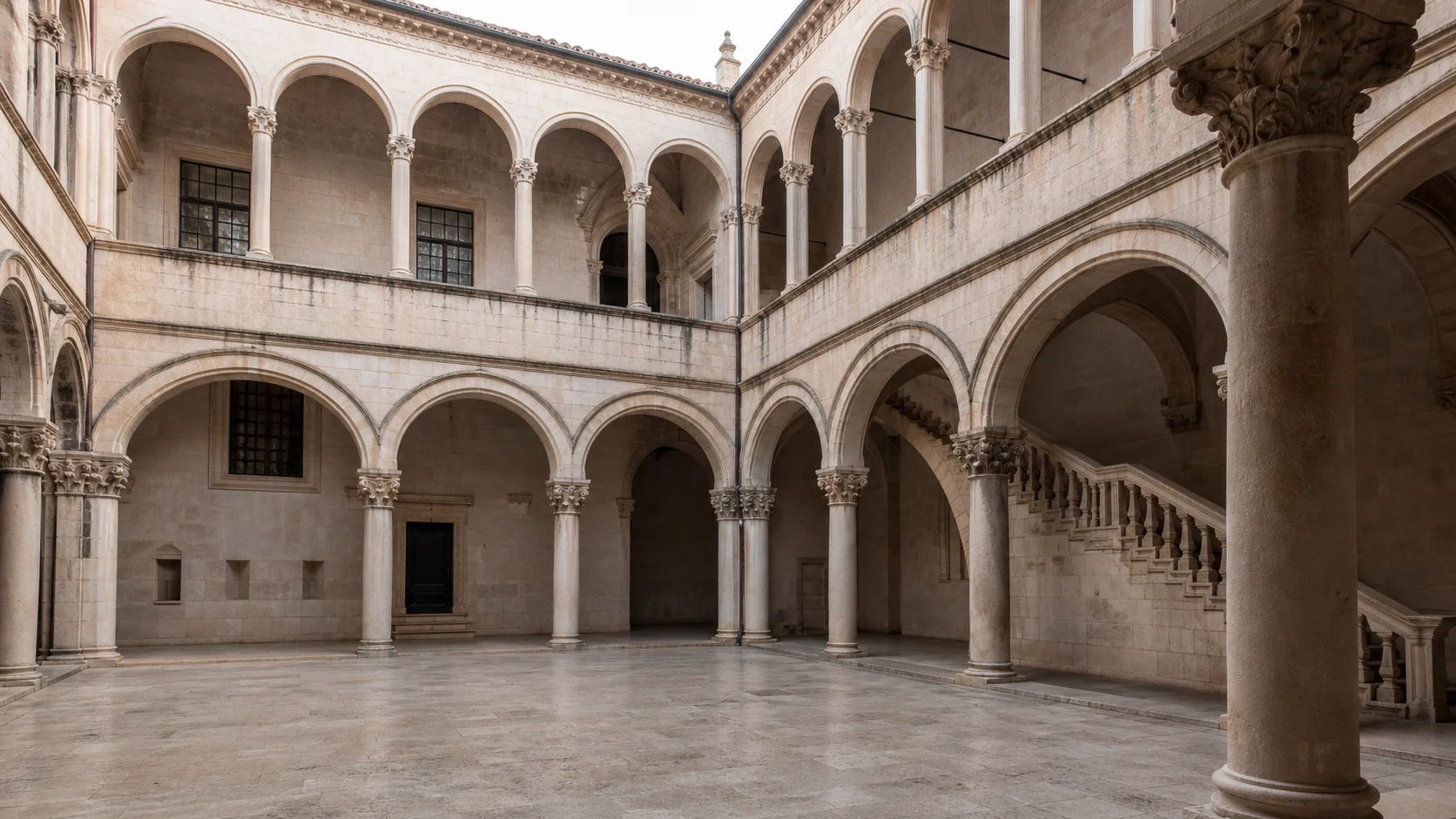
The Rector’s Palace shows what fiction left behind
The Rector’s Palace contributed to the series’ wider world, but its real purpose tells a story that King’s Landing could never offer.
The palace was the administrative centre of the Dubrovnik Republic. The rector lived there during a mandate of only one month. Government halls, courts, offices, prisons and an armoury occupied the same complex.
That arrangement reflected a deep suspicion of personal rule. Dubrovnik’s political system placed ceremony around the rector while limiting his time and freedom. Game of Thrones used the city to represent dynastic power; the real republic developed mechanisms to contain it.
What visual effects changed
Dubrovnik was recognisable on screen, but it was never used as a neutral record. The production treated the city as adaptable material.
The skyline became larger
Additional towers, walls and distant structures made King’s Landing feel like the capital of a continent. The real roofscape supplied the pattern that allowed those additions to belong.
Separate places became one continuous city
Editing can connect a gate, bay, staircase and courtyard without showing the distance between them. Viewers remember a coherent fictional geography even when the real locations do not follow that order.
Modern details disappeared
Signs, railings, street furniture and contemporary activity could be hidden, replaced or excluded from the frame. What remained was a carefully selected version of the city.
Crowds changed the scale
Costumes, extras and controlled movement made public spaces feel politically charged. A familiar staircase became a ritual arena. A harbour became the edge of a capital under threat.
What was completely real
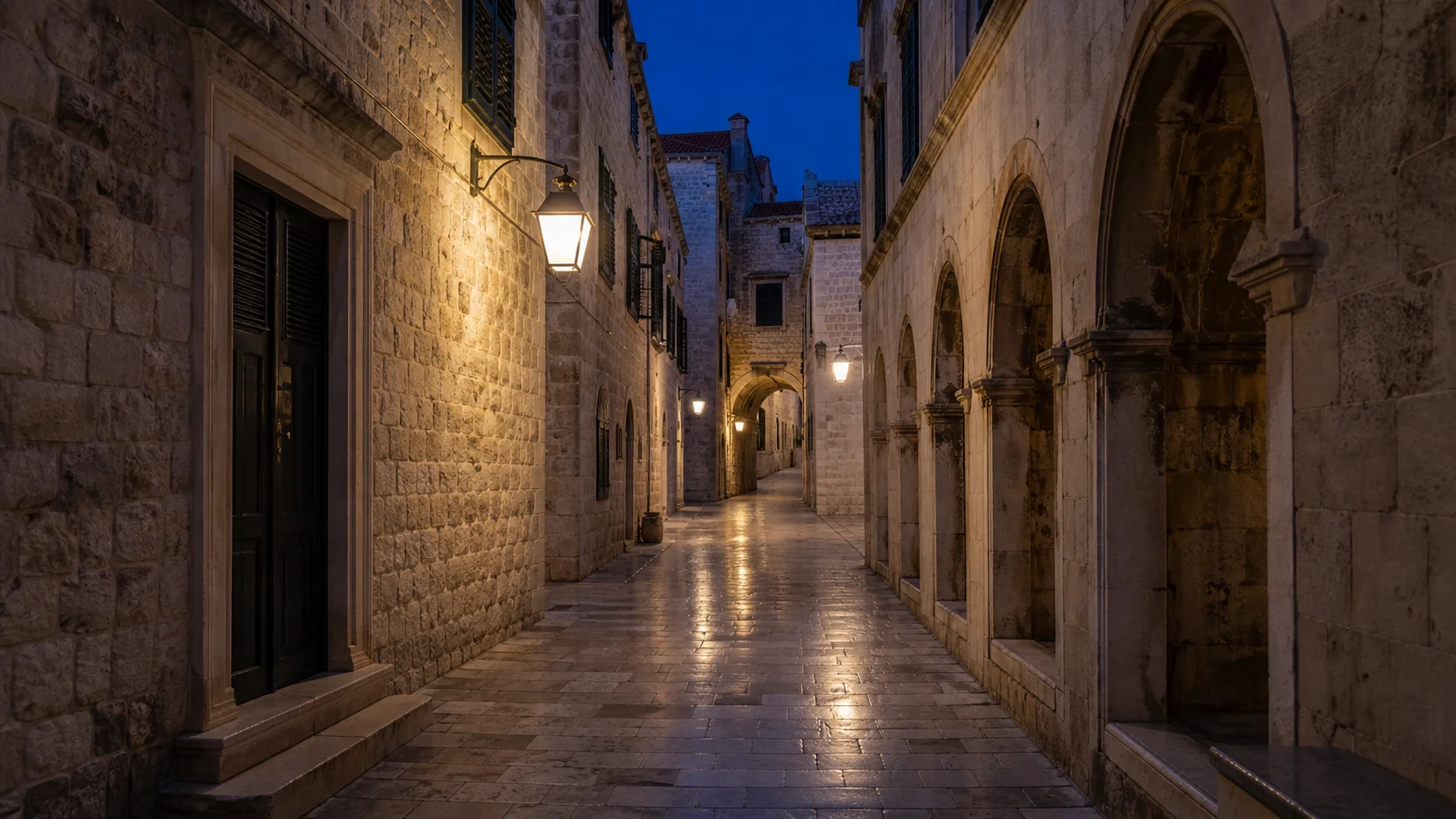
The stone was real. The changes of level were real. The glare of the Adriatic sun, the compressed gates and the relationship between walls and sea were real.
More importantly, the sense of survival was real. UNESCO describes Dubrovnik as a major Mediterranean sea power from the thirteenth century onward. The city endured a devastating earthquake in 1667, damage during armed conflict in the 1990s and a major restoration programme.
Those facts give the setting a weight that cannot be produced by decoration alone. King’s Landing feels old because Dubrovnik is old. It feels defended because generations invested in defences. It feels politically important because the city once managed trade, diplomacy and government across a demanding region.
How to look beyond the scene comparison
A screen match is satisfying, but it is only the first layer. Ask what the camera kept, what it removed and what the real building was designed to do.
At Lovrijenac, compare royal symbolism with defence. At the Jesuit Steps, notice how Baroque planning already directs the eye. At the Rector’s Palace, contrast a fictional monarchy with a republic that restricted its highest official.
This way of looking protects Dubrovnik from becoming a television prop. The series becomes an invitation to understand the city rather than a reason to ignore it.
For that deeper comparison, explore Dubrovnik with Trippy Tour Guide’s paid scene and history experience. It delivers the location aware story without turning this article into the tour itself.
Frequently asked questions
Was King’s Landing filmed entirely in Dubrovnik?
No. The series used studios, other countries and extensive visual effects. Dubrovnik supplied many important exterior settings from season two onward.
Is Fort Lovrijenac the Red Keep?
Fort Lovrijenac was used for major Red Keep scenes, but the fictional complex was assembled from several locations, sets and visual effects.
Where was the Walk of Atonement filmed?
The famous descent begins on the Baroque Jesuit Steps below the Church of St Ignatius in Dubrovnik.
Was Qarth filmed in Dubrovnik?
Dubrovnik and nearby Lokrum contributed to Qarth in season two. The Dubrovnik Tourist Board identifies Lokrum as a filming setting connected with the city; the island is also known for its botanical garden and Benedictine monastery.
Can you understand the filming locations without watching the series again?
Yes, but scene context helps. A location aware audio experience can explain what the camera changed while also giving the real history of the place.