Glasgow After Dark: Body Snatchers, Execution Sites and the Stories That Refuse to Die
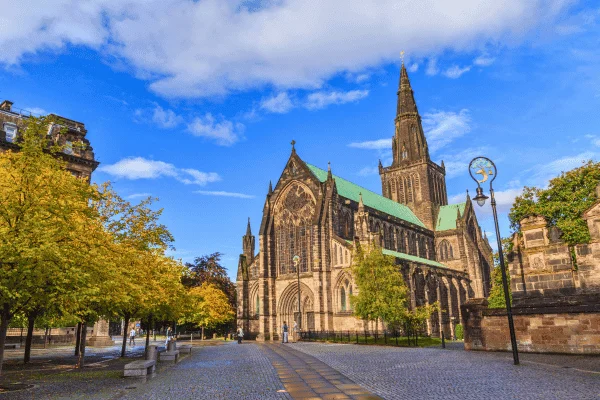
Glasgow's darkest stories grew from real pressures. A rapidly expanding city needed medical knowledge, yet legal access to cadavers was limited. Public executions displayed state power, while burial grounds carried fear as well as grief. Newspapers, sermons and tavern conversations turned incidents into legends. The result is a rich night time folklore, but the history matters most when it remains connected to bodies, law and class. Sensation without context obscures the people who suffered. Context makes the stories more disturbing and more meaningful.
For the complete on location story, explore Trippy Tour Guide's paidGlasgow audio experience. The locations, directions and narration remain inside the experience.
Glasgow: executions were public messages becomes visible through streets, buildings and public space.
Executions were public messages
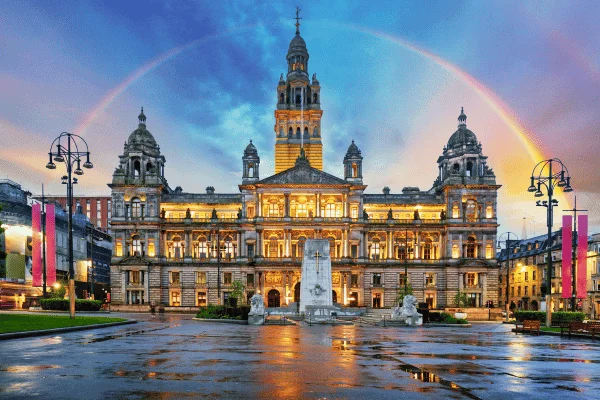
From the seventeenth to the nineteenth century, executions were intended to punish and warn. Glasgow Life records 132 executions between 1615 and 1897. Crowds gathered because death was made into a civic spectacle. The condemned person's final behaviour could be interpreted for moral lessons, while ballads and reports extended the event beyond those present. Remembering execution sites reveals how authority once occupied public space through the body.
Anatomy created a market for corpses
Medical schools needed bodies for dissection, but legal supply did not meet demand. Resurrectionists opened graves and sold cadavers to anatomists. The practice was morally terrifying to communities that expected burial to protect the dead. Watch houses, heavy stones and metal cages were physical responses to that fear. Body snatching was not supernatural, yet it gave graveyards a reputation more frightening than any invented ghost.
Class shaped vulnerability after death
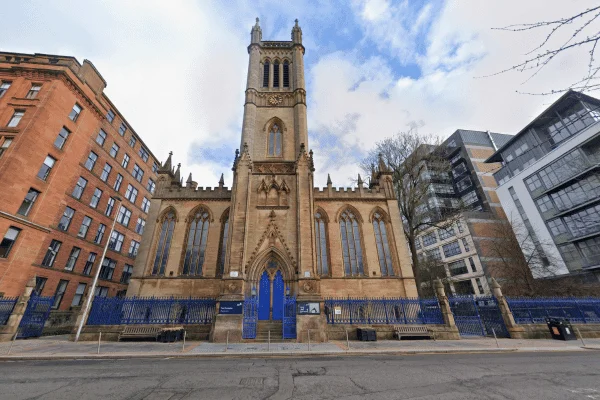
The bodies most likely to enter illicit or legal dissection were often those of the poor and socially isolated. This extended inequality beyond life. Wealthier families could purchase stronger protection, while unclaimed bodies were treated as resources. The history raises a question still relevant to medical ethics: whose body becomes available for knowledge, and who has the power to consent? Glasgow's gruesome stories are therefore also stories about social hierarchy.
The paidTrippy Tour Guide Glasgow audio experiencedevelops these themes through place without turning the article into a route list.
Ramshorn preserves a crowded civic past
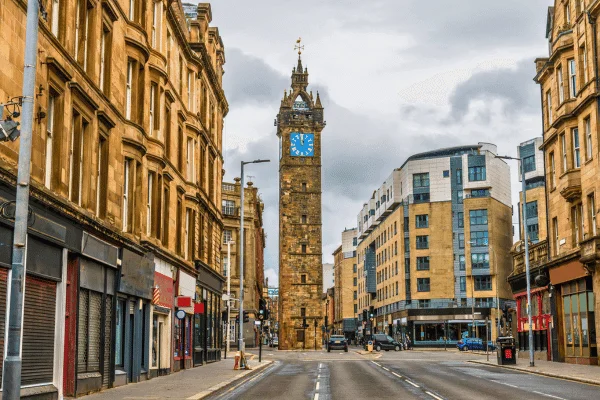
Ramshorn graveyard opened in 1719 and contains memorials linked to merchants, ministers and other figures in the city's development. It also carries tales of plague, body snatchers and supernatural encounters. The site sits within a modern centre, making the contrast especially powerful. A graveyard does not need theatrical additions to feel compelling. Names and dates already connect commerce, mortality and urban change.
Legends attach themselves to thresholds
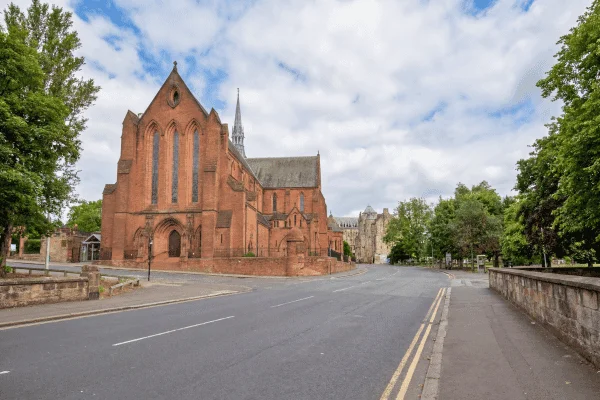
Theatres, lanes, graveyards and old courts are places where public and private worlds meet. Such thresholds invite stories about presences that cross boundaries. Glasgow's humour gives these tales a particular tone, often mixing horror with a sharp punch line. Repetition keeps them alive, but details shift with each teller. That flexibility is evidence of folklore at work rather than a defect to be corrected.
How to hear gruesome history well
The best dark history names uncertainty. Court records and newspapers can establish an execution or crime, while a reported apparition belongs to a different category of evidence. Both can be discussed without confusing them. Visitors gain more when a legend opens a question about medicine, punishment or memory. Glasgow after dark is not a catalogue of shocks. It is a city debating what should be remembered and how.
What the wider story reveals
The most rewarding way to understand this subject is to connect visible places with the systems, choices and memories that produced them. A landmark becomes more than a photograph when its contradictions are allowed to remain. This article provides the wider argument. The audio experience supplies a separate, carefully paced encounter on location.
Continue the story on location
Use the paid Trippy Tour Guide Glasgow audio experience for the complete narration and navigation. The article deliberately keeps those elements separate.
Open the paid Glasgow audio experience
Frequently asked questions
How many executions are recorded in Glasgow's historic account?
Glasgow Life records 132 executions between 1615 and 1897.
Why did body snatching occur?
Demand for cadavers in medical education exceeded the legal supply, creating an illicit market.
Are Glasgow ghost stories verified history?
They are folklore. Some connect to documented settings or events, but supernatural claims require a different standard of evidence.
Sources and image credits
- Glasgow Life on executioners
- Glasgow Life on Ramshorn Graveyard
- University of Glasgow anatomy history
- Images are supplied from the corresponding Trippy Tour Guide tour gallery.