Why Glasgow Looks So Grand: Empire, Industry and Working Class Genius
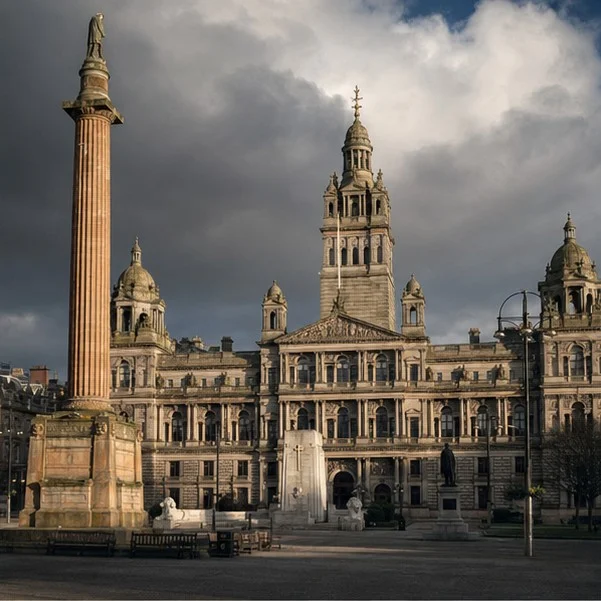
Glasgow’s grandest buildings make strong claims. Columns, towers, carved stone and monumental streets present a city confident in its wealth and importance.
That confidence came from trade and industry, including systems tied to empire and slavery. It also depended on engineers, masons, metalworkers, shipbuilders and thousands of workers whose names rarely appear on facades.
Trippy Tour Guide’s paid Glasgow city sightseeing audio tour connects architecture with the people and systems that produced it. This article explains the theme without reproducing the tour route or narration.
The city centre uses architecture to project prosperity, order and ambition.
Trade created the first great fortunes
Glasgow merchants prospered through Atlantic trade, especially tobacco before the American Revolution and later cotton and sugar.
These commodities were connected to enslaved labour. Merchant wealth cannot be separated from the coercive systems that made plantation production profitable.
Successful traders built houses, invested in land and shaped civic institutions. Street names and architectural fragments preserve parts of their presence.
The grand city is therefore not a neutral achievement. Its beauty asks a historical question: who generated the wealth, and who received public credit for it?
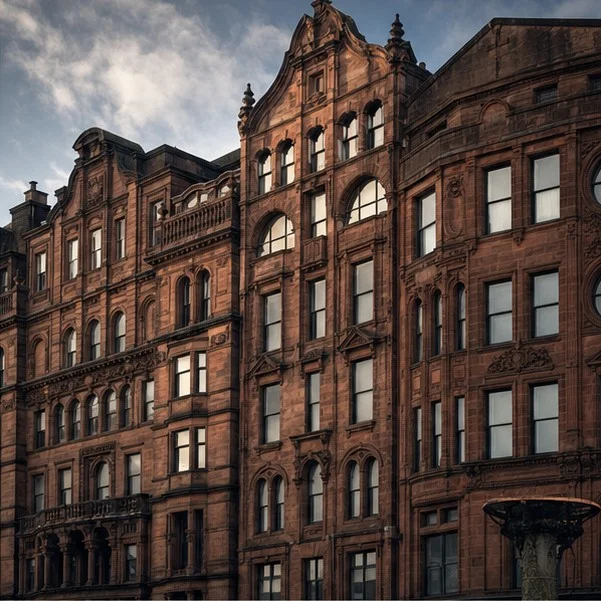
Industry changed the scale of everything
During the nineteenth century, Glasgow became a major industrial city. Coal, iron, engineering, chemicals, textiles and shipbuilding drove rapid growth.
The River Clyde became internationally associated with ships and heavy engineering. Products made in Glasgow travelled across the world.
Industrial wealth funded commercial buildings, railway infrastructure, museums and public institutions. It also brought pollution, overcrowding and dangerous labour.
The same skyline can therefore represent technical achievement and unequal living conditions. Both stories must remain visible.
Sandstone made ambition visible
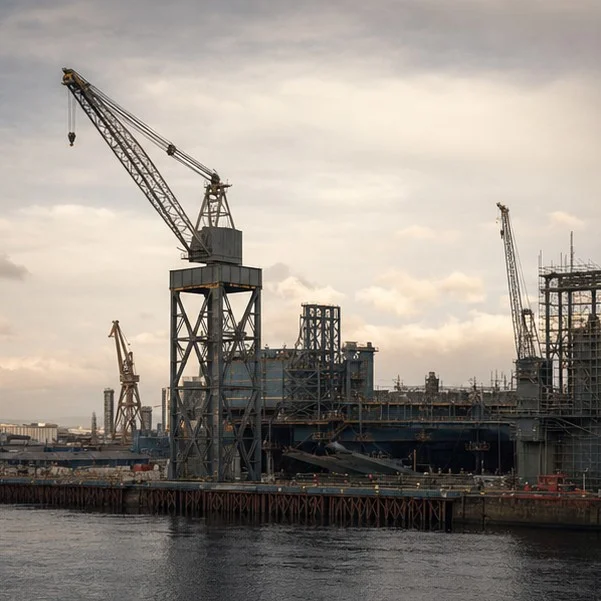
Glasgow is famous for red and golden sandstone. The material gave architects a surface that could be carved into columns, figures, foliage and elaborate entrances.
Colour varies with quarry, weather and cleaning. Darkened stone once recorded industrial smoke, while restoration can reveal unexpectedly warm tones.
Stone architecture also represents labour. Quarry workers extracted blocks. Transporters moved them. Masons shaped details high above the street.
When a facade is described only through the architect’s name, most of the human process disappears.
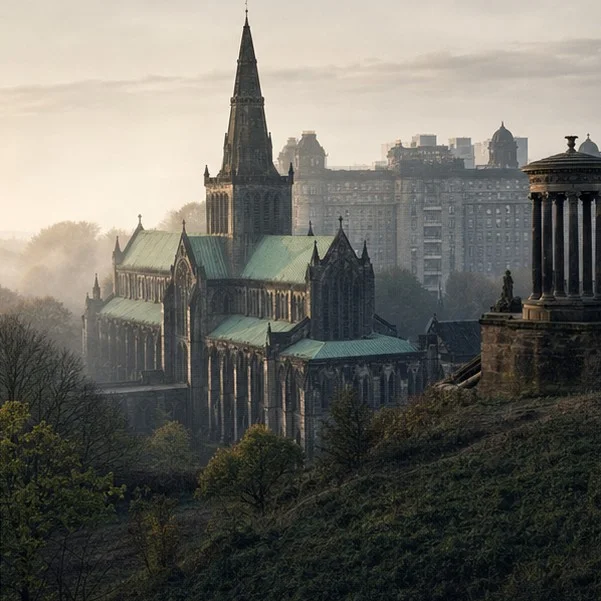
See achievement and contradiction together
The paid Glasgow city sightseeing experience links civic pride, industrial power and human labour while keeping the full route inside the tour.
Civic buildings competed for attention
Victorian Glasgow invested in institutions that presented the city as educated, orderly and internationally significant.
The City Chambers, libraries, galleries and commercial headquarters used historical architectural styles to claim authority. A column or dome could borrow prestige from ancient or Renaissance precedent.
These buildings also created stages for ceremony. Staircases, halls and public entrances choreographed the relationship between citizen and institution.
The city was selling an image to residents, investors and visitors. Architecture became civic marketing in stone.
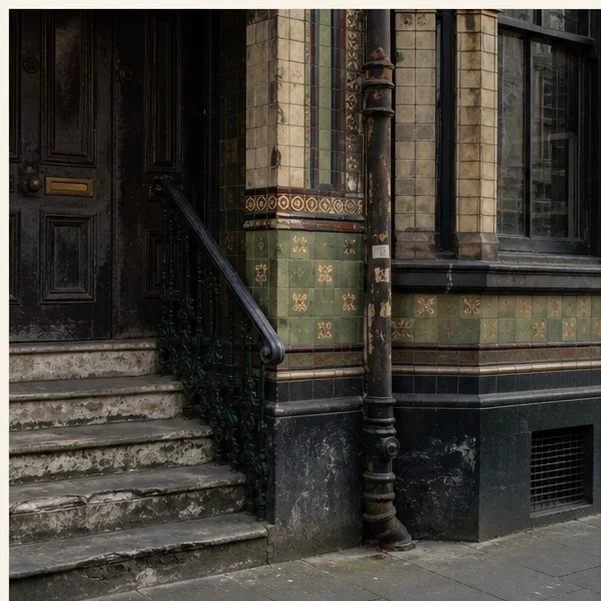
Tenements reveal another urban intelligence
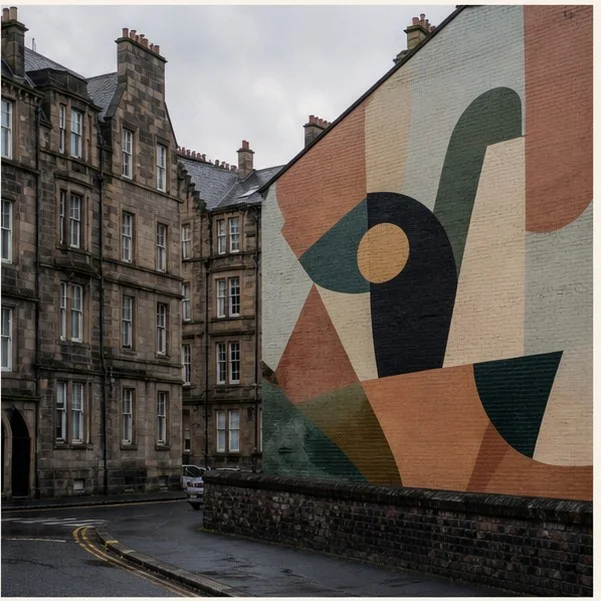
Glasgow’s tenements housed a huge range of people. Their shared stairs, courts and street relationships created dense social worlds.
Conditions varied dramatically. Some homes were respectable and comfortable, while others suffered severe crowding, sanitation problems and poverty.
Tenement form could support community, shops and efficient urban density. It could also concentrate hardship when owners neglected maintenance and families lacked space.
Working class life should not appear only as suffering. Mutual aid, political organisation, humour and cultural creativity grew within these neighbourhoods.
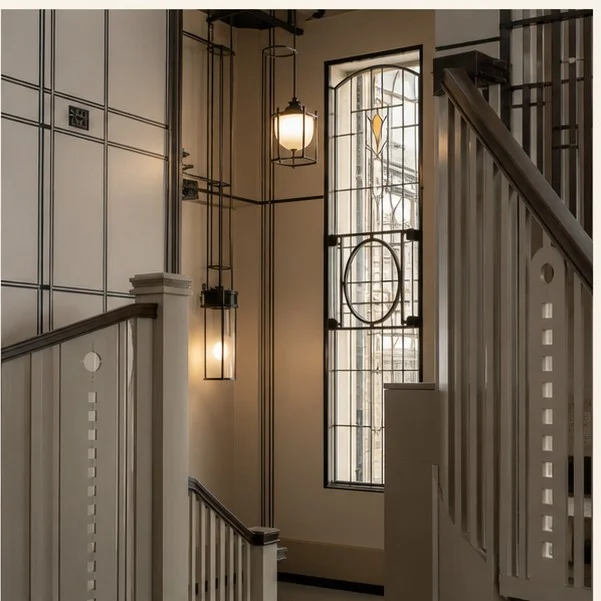
Charles Rennie Mackintosh changed the visual language
Mackintosh is Glasgow’s most internationally recognised designer. His work joined structure, decoration, furniture and light into complete environments.
He did not reject industrial modernity. He developed a distinctive response to it, combining geometry with elongated natural forms.
The Glasgow School of Art became his defining building, although devastating fires have made its future a subject of grief and debate.
Mackintosh’s reputation can overshadow collaborators, including Margaret Macdonald Mackintosh, whose artistic contribution was essential to the wider Glasgow Style.
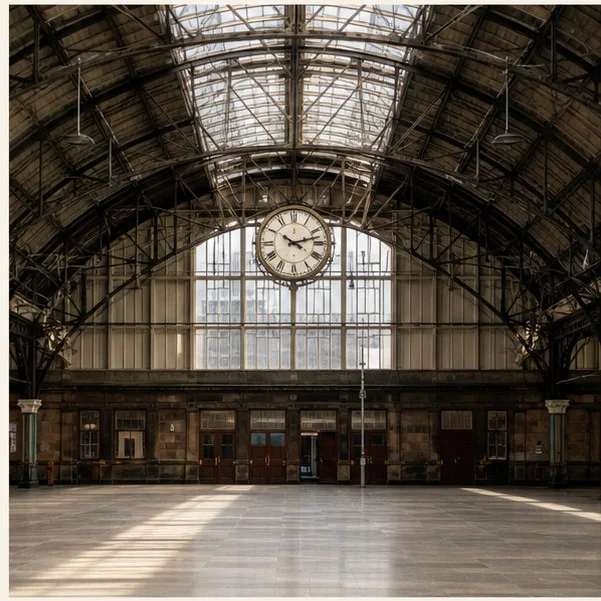
The city keeps rebuilding its identity
Industrial decline caused economic and social pain, but Glasgow did not become a museum of lost factories.
Culture, education, music, design and new industries helped reshape its international image. Former industrial areas gained new uses, while debates continued about preservation and inequality.
The phrase People Make Glasgow captures an important correction to monumental history. Buildings matter because people design, build, use, challenge and reinterpret them.
The grandeur becomes more honest when the worker is placed beside the merchant and architect.
Frequently asked questions
Why does Glasgow have so many grand buildings?
Trade, industry and civic competition produced wealth and a desire to display the city’s importance through architecture.
What is Glasgow Style?
It is a distinctive movement in art, architecture and design associated with figures including Charles Rennie Mackintosh and Margaret Macdonald Mackintosh.
Was Glasgow’s wealth connected to slavery?
Yes. Some major merchant fortunes were connected to Atlantic commodities produced through enslaved labour. The exact links vary by family and business.
What are Glasgow tenements?
They are multistorey residential buildings organised around shared stairs. They housed different social groups and remain a major part of the city’s urban form.
Where is the full sightseeing experience?
The paid Glasgow city sightseeing tour contains its complete audio narrative and navigation.