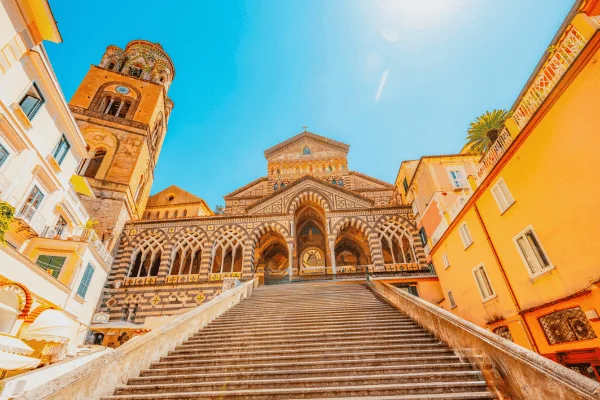
Harry Potter in Edinburgh: The Real Inspirations, Famous Myths and Places Worth Seeing
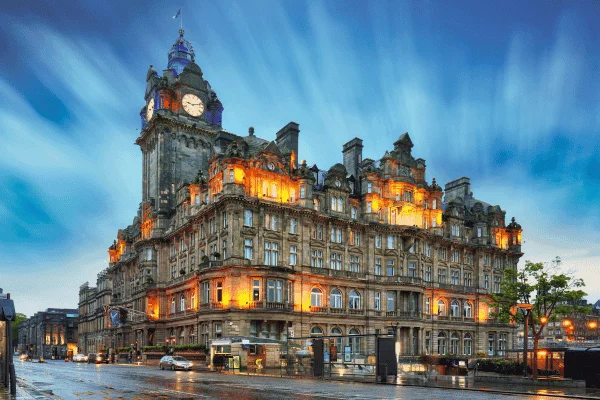
Edinburgh feels compatible with the Harry Potter world: steep closes, stone towers, graveyards, elite schools and sudden views that seem designed for a fantasy novel. J K Rowling lived and wrote in the city during the series' creation, so the connection is genuine. Yet many popular claims go further than the evidence. Particular streets, graves and buildings are often described as direct inspirations without a confirmed statement from the author. A better exploration separates what is documented from what is plausible and what has become enjoyable urban folklore.
For the complete on location story, explore Trippy Tour Guide's paid Edinburgh audio experience. The locations, directions and narration remain inside the experience.
Edinburgh: what can be stated confidently becomes visible through streets, buildings and public space.
What can be stated confidently
Rowling wrote substantial parts of the series in Edinburgh and has acknowledged working in local cafés. The city is also a major literary centre whose atmosphere can shape any writer living there. These facts support a broad creative connection. They do not mean every Gothic building supplied a castle, every surname on a gravestone supplied a character or every colourful street became a fictional shopping lane.
Edinburgh: why the city feels magical becomes visible through streets, buildings and public space.
Why the city feels magical
Edinburgh's Old Town is vertically layered. Bridges cross above lower streets, closes disappear between tall tenements and volcanic landforms create abrupt changes in level. This spatial complexity makes ordinary movement feel like discovery. Weather intensifies the effect. Mist, rain and winter darkness alter stone surfaces and hide distant landmarks. The city offers the visual grammar of fantasy without needing a one to one map.
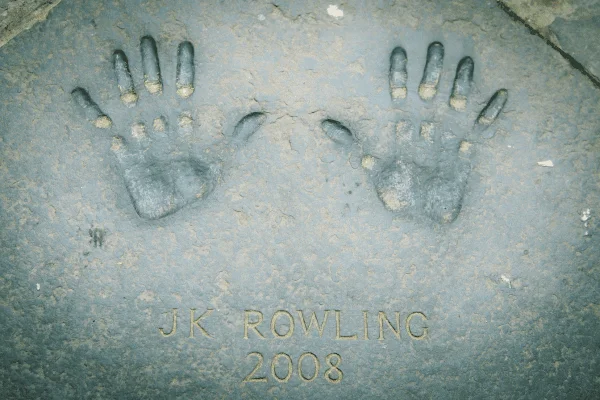
Edinburgh: the school comparison becomes visible through streets, buildings and public space.
The school comparison
George Heriot's School is often compared with Hogwarts because of its turrets and house system. The resemblance is entertaining, but public discussion should avoid presenting the building as a confirmed model. Many British schools use houses, and turreted architecture appears across the country. The value of the comparison lies in seeing how real institutions help readers imagine fictional ones, not in claiming a secret blueprint.
The paid Trippy Tour Guide Edinburgh audio experience develops these themes through place without turning the article into a route list.
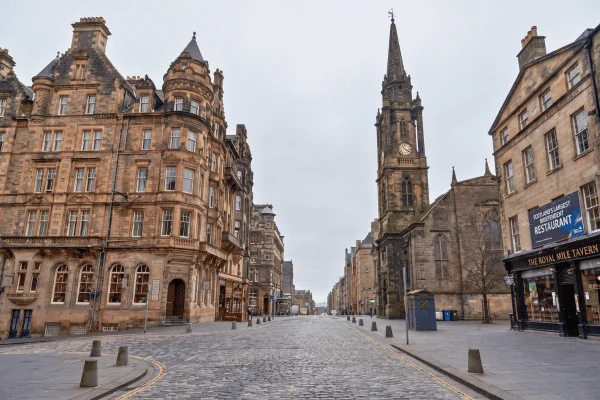
Edinburgh: graveyard names and the power of coincidence becomes visible through streets, buildings and public space.
Graveyard names and the power of coincidence
Visitors search Greyfriars Kirkyard for names resembling characters in the books. Some similarities are striking, yet a matching surname is not proof of deliberate borrowing. Graveyards contain a wide vocabulary of British names and fans are skilled pattern finders. The stories remain worth discussing as examples of participatory folklore. Readers help build the city's magical map by connecting text, memory and place.
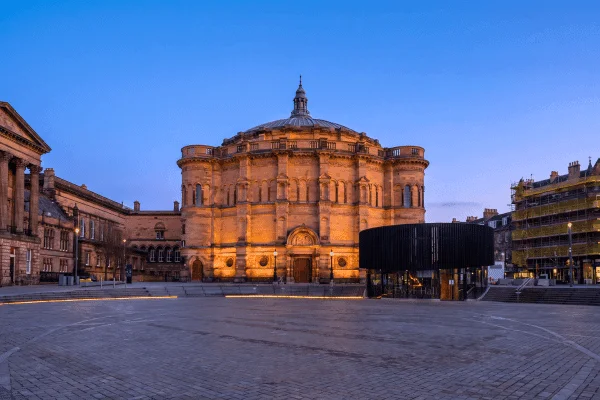
Edinburgh: cafés, memory and changing stories becomes visible through streets, buildings and public space.
Cafés, memory and changing stories
Café origin stories are especially vulnerable to simplification. A writer may work in several places across many years, while later branding favours a single birthplace. Edinburgh's genuine importance does not depend on one table. The deeper story is that the city gave Rowling time, public rooms and an environment in which a large fictional world could be developed. That creative ecology is more interesting than a disputed chair.
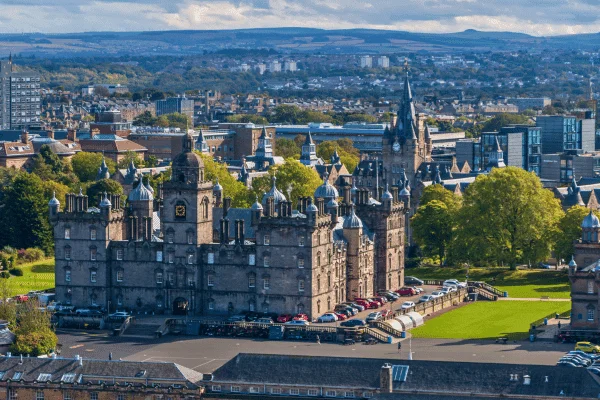
Edinburgh: how to enjoy the connection responsibly becomes visible through streets, buildings and public space.
How to enjoy the connection responsibly
A thoughtful visitor can enjoy resemblance without demanding certainty. Look closely at architecture, notice how streets control views and learn the independent histories of buildings. Edinburgh existed before the novels and remains richer than any franchise. The fictional connection becomes more rewarding when it opens attention to the real city rather than replacing it. Magic, in this sense, is a way of seeing.
What the wider story reveals
The most rewarding way to understand this subject is to connect visible places with the systems, choices and memories that produced them. A landmark becomes more than a photograph when its contradictions are allowed to remain. This article provides the wider argument. The audio experience supplies a separate, carefully paced encounter on location.
Continue the story on location
Use the paid Trippy Tour Guide Edinburgh audio experience for the complete narration and navigation. The article deliberately keeps those elements separate.
Open the paid Edinburgh audio experience
Frequently asked questions
Did J K Rowling write Harry Potter in Edinburgh?
Yes. She wrote important parts of the series while living in the city and worked in local cafés.
Was Victoria Street definitely the model for Diagon Alley?
The comparison is popular, but it should not be presented as a confirmed one to one inspiration.
Are character names taken from Greyfriars Kirkyard?
Some gravestones resemble names in the books, but resemblance alone does not establish deliberate borrowing.