How Chamonix Invented Modern Mountaineering and Changed the Alps Forever
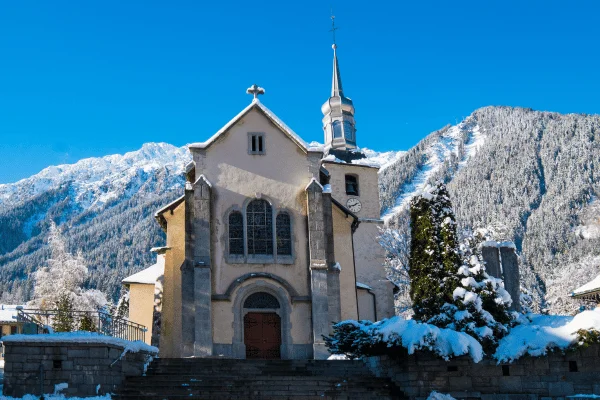
Chamonix did not invent the human desire to climb mountains, but it helped turn that desire into a modern culture. Here, scientific curiosity, local knowledge, paid guiding, equipment, hospitality and international publicity converged beneath Mont Blanc. What began as an intimidating landscape became a destination where risk could be organised and achievement recorded. The change transformed the Alps. It also created debates that still matter: who receives credit, how much danger is acceptable and whether a mountain town can welcome the world without losing the landscape that made it famous.
For the complete on location story, explore Trippy Tour Guide's paid Chamonix audio experience. The locations, directions and narration remain inside the experience.
Chamonix: the valley before mountaineering becomes visible through streets, buildings and public space.
The valley before mountaineering
For generations, local people treated glaciers and high peaks as working hazards rather than scenic playgrounds. Visitors from Britain and elsewhere brought a different gaze during the eighteenth century. They measured, described and publicised the landscape. William Windham and Richard Pococke's 1741 visit helped introduce the Mer de Glace to a wider European audience. Their curiosity did not make the valley empty or unknown. It translated local terrain into the language of educated travel and encouraged others to follow.
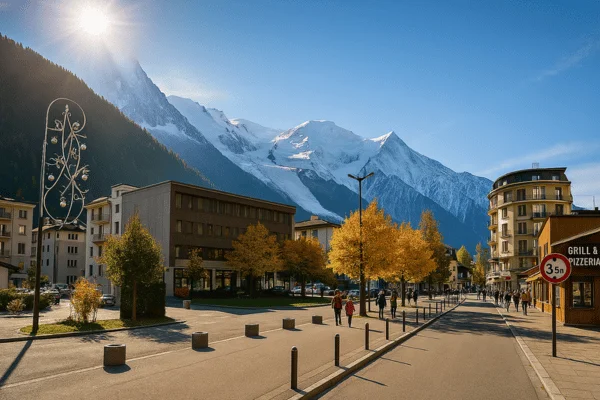
Chamonix: mont blanc changed the meaning of ascent becomes visible through streets, buildings and public space.
Mont Blanc changed the meaning of ascent
In 1760 Horace Bénédict de Saussure offered a reward for reaching Mont Blanc. Jacques Balmat and Michel Gabriel Paccard completed the first recorded ascent on 8 August 1786. Their success mattered beyond one summit. It suggested that careful observation, endurance and local route knowledge could make the highest Alps accessible. De Saussure followed in 1787 with instruments and scientific goals. Climbing became a hybrid of exploration, experiment and personal ambition.
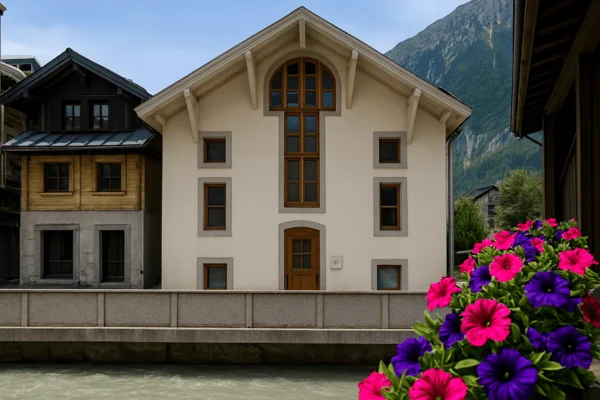
Chamonix: guides made adventure repeatable becomes visible through streets, buildings and public space.
Guides made adventure repeatable
A single ascent becomes history. A guiding profession turns ascent into an institution. The Compagnie des Guides de Chamonix was founded in 1821, helping organise expertise, responsibility and support for guides' families. Guiding translated intimate mountain knowledge into a service visitors could trust. It also established a distinct local identity. The guide was not merely a porter. He or she read snow, weather, rock and human confidence. Modern mountain tourism still depends on that often invisible judgement.
The paid Trippy Tour Guide Chamonix audio experience develops these themes through place without turning the article into a route list.
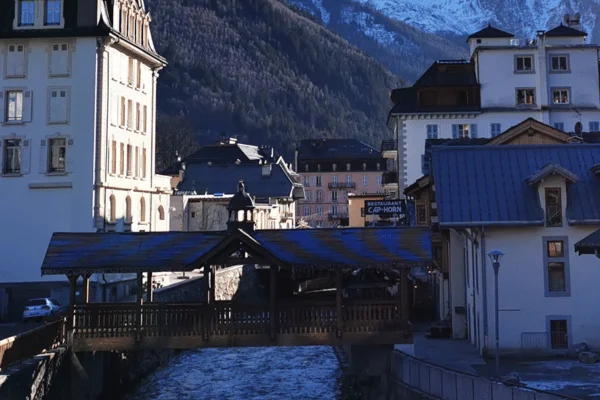
Chamonix: transport remade the valley becomes visible through streets, buildings and public space.
Transport remade the valley
The arrival of the railway in 1901 changed who could reach Chamonix and how quickly. Hotels, shops and mountain transport expanded around a larger visitor economy. The valley became more accessible, but accessibility altered the landscape and expectations. Visitors increasingly wanted dramatic views without weeks of travel. Cable cars and trains later compressed distance again. Chamonix became a place where elite alpinism and mass tourism could occupy the same view, sometimes comfortably and sometimes in tension.
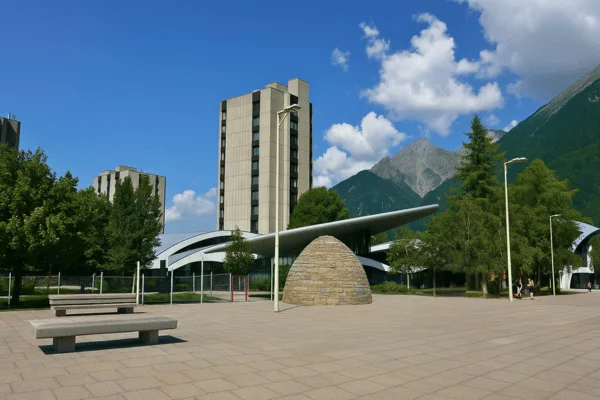
Chamonix: the first winter olympics created a global stage becomes visible through streets, buildings and public space.
The first Winter Olympics created a global stage
Chamonix hosted the 1924 International Winter Sports Week, later recognised as the first Winter Olympic Games. Competition turned mountain skill into global spectacle. Athletes, journalists and spectators helped define winter sport as an international culture with rules, heroes and records. The event broadened Chamonix's identity beyond summer climbing. It also linked the town permanently with the commercial and media systems that now surround elite sport.
Chamonix: the alps are changing again becomes visible through streets, buildings and public space.
The Alps are changing again
Retreating glaciers make Chamonix's history visible in a new way. Old photographs and markers reveal how quickly ice has withdrawn. The town that helped make mountains accessible must now confront the environmental cost of global mobility and warming. This does not erase mountaineering's achievements. It deepens their meaning. The next chapter of alpine leadership may depend less on conquering height and more on adapting responsibly to a landscape in rapid transition.
What the wider story reveals
The most rewarding way to understand this subject is to connect visible places with the systems, choices and memories that produced them. A landmark becomes more than a photograph when its contradictions are allowed to remain. This article provides the wider argument. The audio experience supplies a separate, carefully paced encounter on location.
Continue the story on location
Use the paid Trippy Tour Guide Chamonix audio experience for the complete narration and navigation. The article deliberately keeps those elements separate.
Open the paid Chamonix audio experience
Frequently asked questions
Who first climbed Mont Blanc?
Jacques Balmat and Michel Gabriel Paccard completed the first recorded ascent in 1786.
Why are Chamonix guides historically important?
They professionalised local mountain knowledge and built systems of responsibility and mutual support.
What happened in Chamonix in 1924?
The town hosted the event later recognised as the first Winter Olympic Games.