How Liverpool’s Docks Built a Global City and Changed Millions of Lives
Liverpool's waterfront is more than an attractive edge. It is the machine that made the city. From the pioneering Old Dock to later monumental warehouses, Liverpool developed ways to move ships and cargo with greater speed and security. Those systems connected Britain with a world of commodities, migration and empire. They created employment and civic wealth, but they were also entangled with the trafficking of enslaved Africans and harsh working lives. To understand Liverpool's global influence, it is necessary to see engineering triumph and human consequence in the same frame.
For the complete on location story, explore Trippy Tour Guide's paid Liverpool audio experience. The locations, directions and narration remain inside the experience.
Liverpool: the old dock changed port engineering becomes visible through streets, buildings and public space.
The Old Dock changed port engineering
Opened in 1715, Liverpool's Old Dock was the world's first commercial enclosed wet dock. Its gates allowed ships to load and unload while remaining afloat despite the Mersey's dramatic tides. That practical innovation helped transform reliability. A vessel could spend less time waiting for favourable water and merchants could coordinate labour, storage and departure more efficiently. The dock was later filled in, but its archaeology survives beneath the modern city as evidence of the moment Liverpool began reorganising maritime time.
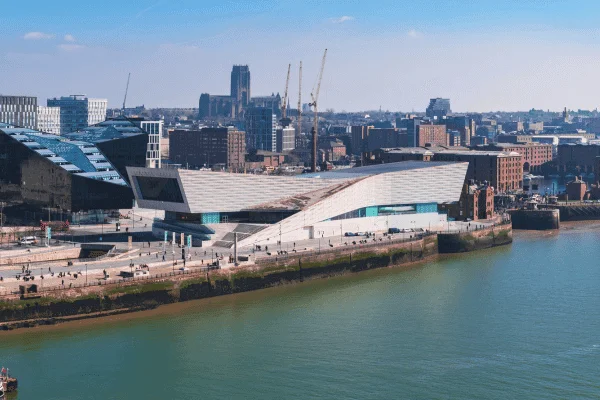
Liverpool: a dock system became an urban system becomes visible through streets, buildings and public space.
A dock system became an urban system
As trade expanded, docks, warehouses, roads, insurance offices and counting houses grew together. The port required coopers, carters, sailors, clerks, dockers and countless small businesses. Wealth moved inland into civic architecture while working districts absorbed noise, injury and insecurity. Liverpool was not merely beside a port. Its housing, politics and rhythms were shaped by the demands of ships. The waterfront linked distant markets to everyday life in streets far from the water.
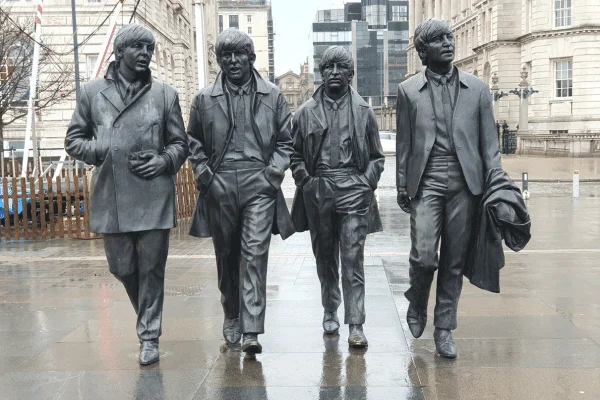
Liverpool: prosperity was tied to slavery becomes visible through streets, buildings and public space.
Prosperity was tied to slavery
Liverpool merchants and ships played a major role in the transatlantic trafficking of enslaved Africans. Before British abolition of the trade in 1807, vessels connected with Liverpool forcibly transported an estimated 1.5 million African people. Later commerce in cotton and other plantation products continued to connect the city to enslaved labour. These facts are not a footnote to port success. They are essential to understanding how capital was accumulated and why the architecture of prosperity needs interpretation.
The paid Trippy Tour Guide Liverpool audio experience develops these themes through place without turning the article into a route list.
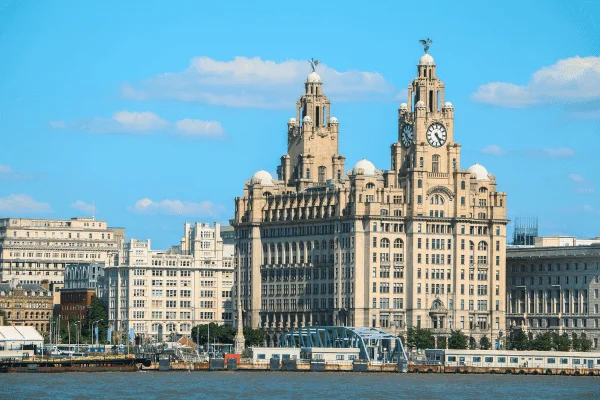
Liverpool: the port moved people as well as goods becomes visible through streets, buildings and public space.
The port moved people as well as goods
Millions of migrants passed through Liverpool, including Irish families and Europeans travelling onward across the Atlantic. Some settled and reshaped the city's communities, faiths, politics and speech. Others knew Liverpool as a brief, uncertain threshold between homes. Shipping lines turned the waterfront into a geography of departure. For many travellers, the city represented hope and fear simultaneously. That emotional history remains one reason Liverpool's global identity feels personal rather than abstract.
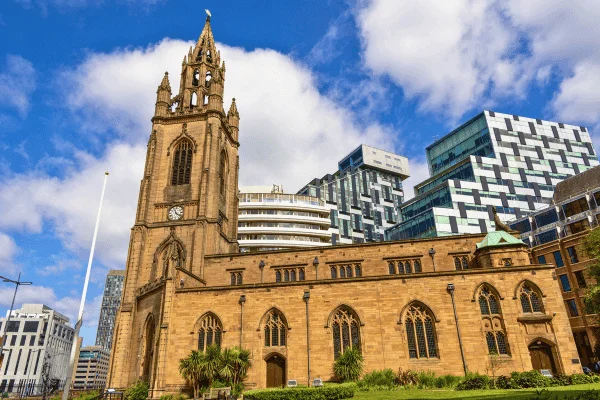
Liverpool: dock labour demanded solidarity becomes visible through streets, buildings and public space.
Dock labour demanded solidarity
Cargo movement depended on physical labour that was dangerous, irregular and controlled by hiring systems. Dockers faced uncertain wages, accidents and sudden changes in trade. Collective organisation became a way to demand dignity within a system that treated workers as interchangeable. The great buildings on the waterfront can make commerce appear orderly and inevitable. Labour history reveals how much negotiation, conflict and bodily risk sat behind every manifest.
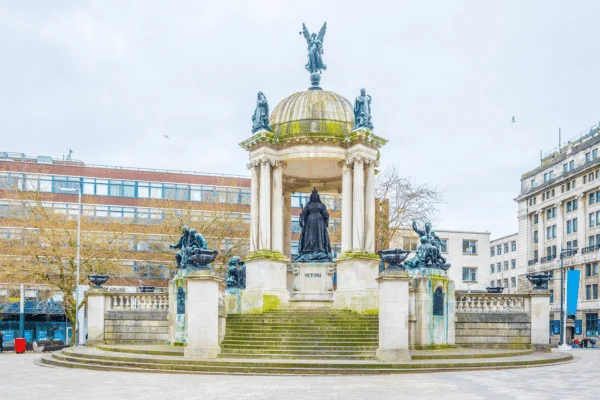
Liverpool: a working port became heritage becomes visible through streets, buildings and public space.
A working port became heritage
Containerisation shifted maritime activity and left older dock spaces searching for a future. Museums, homes and cultural venues brought people back to the waterfront. Regeneration preserved significant structures, but it also raised questions about whose memories remain visible when working places become destinations. Liverpool's best heritage tells a connected story: engineering innovation, global exchange, migration, exploitation and labour. The docks changed millions of lives because they were never only local.
What the wider story reveals
The most rewarding way to understand this subject is to connect visible places with the systems, choices and memories that produced them. A landmark becomes more than a photograph when its contradictions are allowed to remain. This article provides the wider argument. The audio experience supplies a separate, carefully paced encounter on location.
Continue the story on location
Use the paid Trippy Tour Guide Liverpool audio experience for the complete narration and navigation. The article deliberately keeps those elements separate.
Open the paid Liverpool audio experience
Frequently asked questions
Why was Liverpool's Old Dock important?
Its enclosed basin allowed commercial ships to remain afloat during changing tides, improving the reliability of loading and unloading.
How was Liverpool connected to slavery?
Liverpool ships were major participants in the Atlantic trafficking system, while later trade remained tied to plantation commodities.
What makes Liverpool a global city?
Its port connected goods, capital and migrants across the Atlantic and far beyond, permanently reshaping the city's population and culture.