How Messina Survived Earthquakes, Tsunamis and War to Rebuild Again
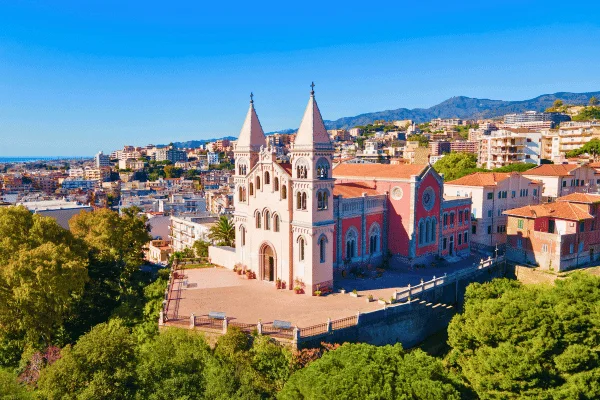
Messina stands at one of the Mediterranean's great thresholds, facing mainland Italy across a narrow and powerful strait. That position brought trade and strategic importance, but the city also endured repeated catastrophe. Earthquakes, tsunami waves, fire and wartime bombing destroyed buildings and lives on an immense scale. Modern Messina is therefore not a city with a single preserved historic centre. It is a place where fragments, reconstructions and twentieth century planning tell a story of repeated return.
For the complete on location story, explore Trippy Tour Guide's paidMessina audio experience. The locations, directions and narration remain inside the experience.
Messina: the strait created opportunity and danger becomes visible through streets, buildings and public space.
The Strait created opportunity and danger
Currents in the Strait of Messina have shaped navigation since antiquity and helped inspire classical stories of Scylla and Charybdis. The channel made Messina a point of passage between seas and a strategic prize for competing powers. It also sits within a tectonically active region. Geography brought exchange, but it placed the city close to forces that human engineering could never fully control.
The 1908 disaster changed everything
Before dawn on 28 December 1908, a powerful earthquake struck the Strait. Buildings collapsed across Messina and Reggio Calabria, and tsunami waves followed. Death estimates vary, but the disaster ranks among Europe's deadliest modern earthquakes. Infrastructure, housing and civic institutions failed together. The scale made simple restoration impossible. Messina had to reconsider street width, construction and the relationship between memory and safety.
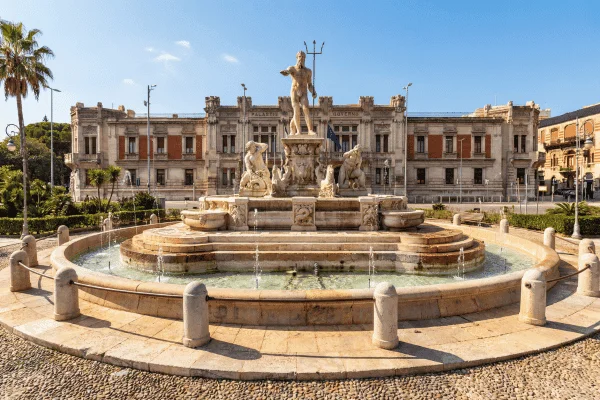
Reconstruction created a different city
New regulations encouraged lower buildings, stronger structures and a more regular urban plan. The rebuilt city gained broad streets and an architectural character shaped by the early twentieth century. Important monuments were reconstructed, sometimes using surviving pieces and sometimes through extensive recreation. This raises a productive question: can a rebuilt landmark be authentic? In Messina, authenticity often lies in the community's determination to restore meaning, not in untouched material.
The paidTrippy Tour Guide Messina audio experiencedevelops these themes through place without turning the article into a route list.
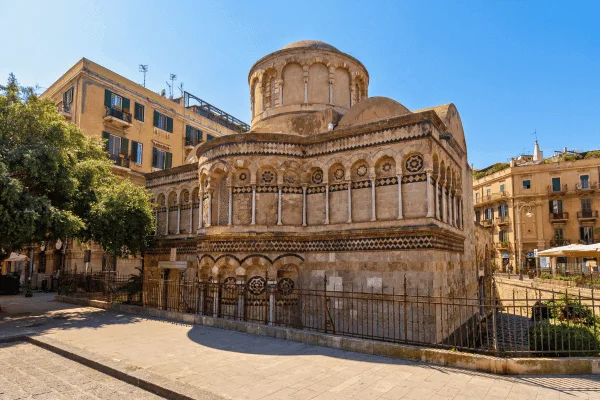
War brought another cycle of destruction
During the Second World War, Messina's strategic position made it a major target. Bombing again damaged homes, churches and infrastructure. Residents who had inherited stories of the earthquake faced new displacement and loss. Postwar recovery therefore built upon a city already familiar with reconstruction. The repeated experience helped make resilience a civic narrative, although that word should never hide the trauma and inequality of recovery.
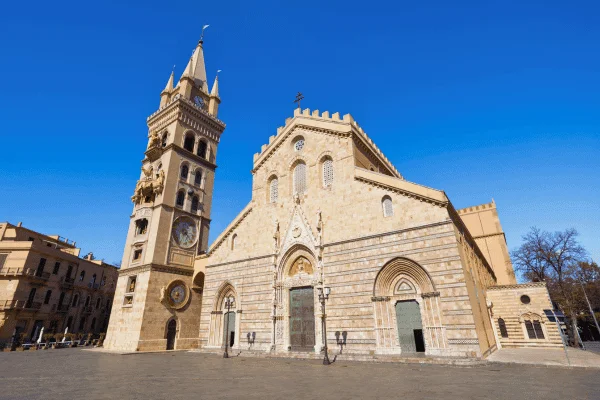
The clock tells a public story
The cathedral bell tower's astronomical clock is a famous feature of modern Messina. Its moving figures animate religious and civic symbols at midday. The spectacle is playful, but its location beside a reconstructed cathedral gives it deeper resonance. Mechanical regularity stands in a city repeatedly disrupted by sudden events. Each performance turns time into a shared public ritual and confirms that the centre is active again.
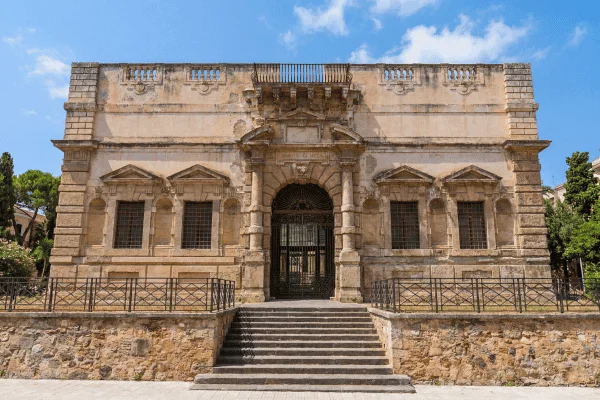
Resilience is maintenance, not a slogan
Messina's history encourages admiration, but responsible memory avoids romanticising disaster. Survival depended on emergency work, migration, public investment and long rebuilding. Preparedness remains essential in a seismic region. The city is most compelling when its architecture is read as accumulated decisions about risk and belonging. Rebuilding again and again did not erase vulnerability. It made living with vulnerability part of civic knowledge.
What the wider story reveals
The most rewarding way to understand this subject is to connect visible places with the systems, choices and memories that produced them. A landmark becomes more than a photograph when its contradictions are allowed to remain. This article provides the wider argument. The audio experience supplies a separate, carefully paced encounter on location.
Continue the story on location
Use the paid Trippy Tour Guide Messina audio experience for the complete narration and navigation. The article deliberately keeps those elements separate.
Open the paid Messina audio experience
Frequently asked questions
When did the great Messina earthquake occur?
It struck on 28 December 1908 and was followed by destructive tsunami waves.
Why does central Messina look relatively modern?
Much of the city was rebuilt after the 1908 disaster and later wartime bombing.
Is Messina's cathedral entirely original?
It contains historical elements, but repeated damage required major reconstruction over time.
Sources and image credits
- Italian Civil Protection earthquake history
- Comune di Messina tourism
- Britannica on Messina
- Images are supplied from the corresponding Trippy Tour Guide tour gallery.