How Nantes Turned a Dark Maritime Past Into France’s Most Imaginative City
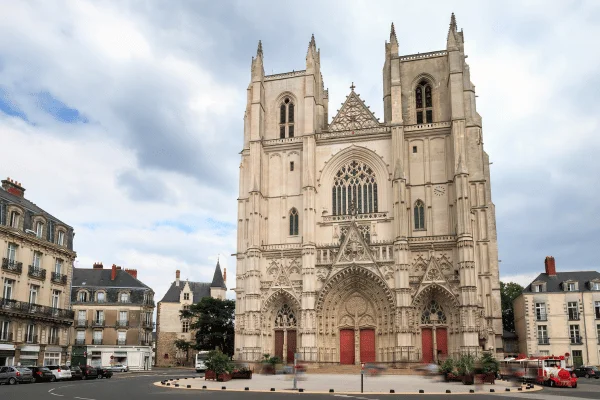
Nantes makes a strong first impression through play: a mechanical elephant, inventive public art, elegant squares and green river landscapes. Yet that creativity sits beside a history the city cannot celebrate. Nantes was France's leading slave trading port during the eighteenth century. Wealth accumulated through Atlantic commerce while captive Africans endured forced transport and enslavement. The modern city's most important achievement is not that it replaced this past with spectacle. It is that Nantes learned to hold commemoration and imagination together, using public space to face exploitation while giving industrial sites a new civic purpose.
For the complete on location story, explore Trippy Tour Guide's paid Nantes audio experience. The locations, directions and narration remain inside the experience.
Nantes: the loire made nantes powerful becomes visible through streets, buildings and public space.
The Loire made Nantes powerful
Nantes grew where river and ocean systems met. Ships, warehouses, merchants and workshops connected the city with Atlantic markets. Sugar, coffee and other colonial commodities changed consumption and produced fortunes. Maritime geography offered opportunity, but the trading system depended on imperial violence. Treating the port only as a story of enterprise removes the people whose forced labour generated much of its value. The riverfront therefore carries two histories at once: commercial ambition and human dispossession.
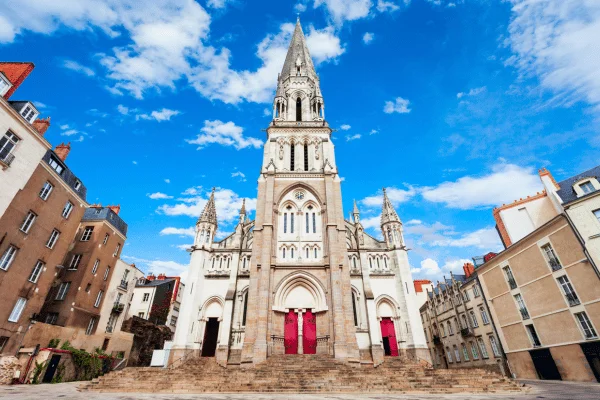
Nantes: the slave trade is named in public space becomes visible through streets, buildings and public space.
The slave trade is named in public space
The Memorial to the Abolition of Slavery opened in 2012. Along the quay, glass inserts record slave ship expeditions that departed from Nantes and other ports. Below, a contemplative passage uses historical texts and names to make the scale tangible. The memorial does not pretend that architecture can settle the past. It creates a place for attention. Its position beside the Loire connects civic memory to the waterway that enabled the trade.
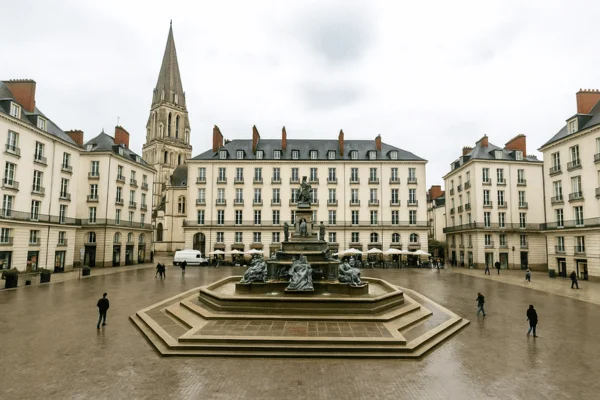
Nantes: why honest remembrance changes a city becomes visible through streets, buildings and public space.
Why honest remembrance changes a city
Commemoration is not only about guilt. It changes which lives are visible in the urban story. Museums, research and public discussion have challenged older narratives that praised merchants while ignoring captives. Nantes shows how local identity can grow stronger through honesty. The discomfort is productive because it replaces a flattering myth with a fuller history. Visitors are asked to connect beauty, wealth and exploitation rather than placing them in separate chapters.
The paid Trippy Tour Guide Nantes audio experience develops these themes through place without turning the article into a route list.
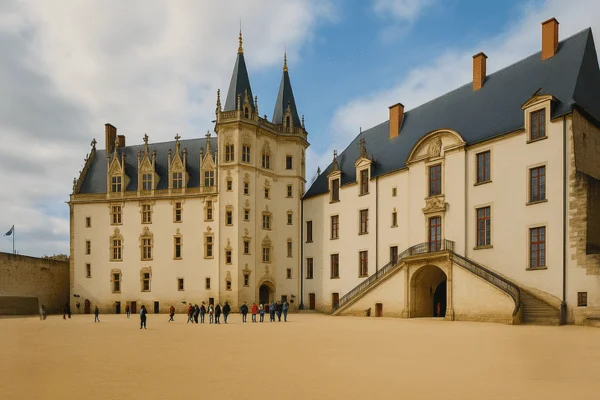
Nantes: the shipyards left another difficult absence becomes visible through streets, buildings and public space.
The shipyards left another difficult absence
Shipbuilding shaped labour and community on the Isle of Nantes until the yards closed in 1987. Closure removed jobs and left a vast industrial landscape searching for purpose. Demolition could have cleared the memory, while preservation alone might have frozen it. The city's response combined retained structures with experimental culture. Cranes and workshops became evidence of industrial skill rather than obstacles to a polished redevelopment.
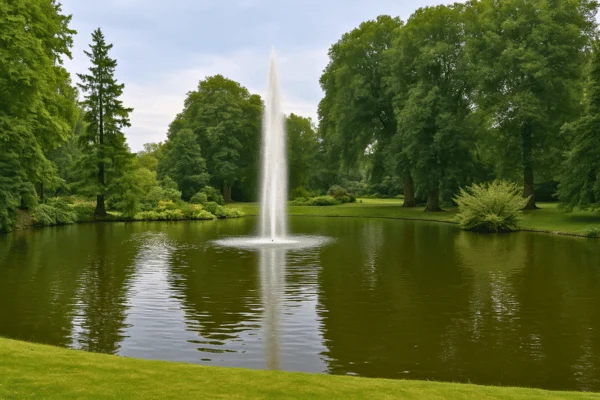
Nantes: machines turn engineering into imagination becomes visible through streets, buildings and public space.
Machines turn engineering into imagination
Les Machines de l'île links the mechanical heritage of the shipyards with the fictional worlds associated with Jules Verne and the inventions of Leonardo da Vinci. Its giant creatures are playful, but the concept has historical depth. Artisans still assemble complex structures, test movement and perform for a public. Industrial knowledge becomes theatre. The result works because regeneration grows from the site's character instead of importing an unrelated attraction.
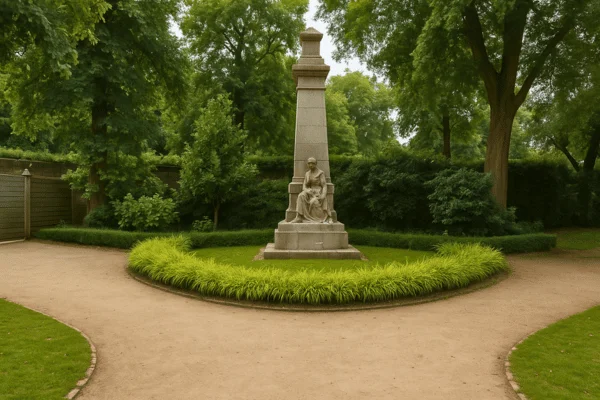
Nantes: a model built on creative tension becomes visible through streets, buildings and public space.
A model built on creative tension
Nantes is compelling because it refuses a single identity. It is a maritime city that interrogates maritime wealth, an industrial city that turned fabrication into art and a historic centre willing to make room for experimentation. The lesson is not that every difficult place needs a spectacular machine. It is that renewal becomes meaningful when memory remains visible. Imagination is strongest when it does not ask people to forget.
What the wider story reveals
The most rewarding way to understand this subject is to connect visible places with the systems, choices and memories that produced them. A landmark becomes more than a photograph when its contradictions are allowed to remain. This article provides the wider argument. The audio experience supplies a separate, carefully paced encounter on location.
Continue the story on location
Use the paid Trippy Tour Guide Nantes audio experience for the complete narration and navigation. The article deliberately keeps those elements separate.
Open the paid Nantes audio experience
Frequently asked questions
Why is Nantes important to the history of slavery?
It was France's leading slave trading port in the eighteenth century and sent many expeditions into the Atlantic trafficking system.
What are Les Machines de l'île?
They are large mechanical creations that combine shipyard engineering, performance and literary imagination.
Does this article reveal the tour route?
No. It provides historical context without publishing the paid tour's sequence, directions or narration.