How Palermo Fought Back: The People and Places Behind the No Mafia Movement
Palermo should never be reduced to the Mafia. Organised crime caused profound harm, but the city's modern identity also belongs to the people who resisted it: investigators, judges, journalists, priests, teachers, students, business owners and families. Their work transformed private fear into public opposition. The shift was neither quick nor complete. It required legal expertise, personal courage and ordinary choices that challenged the assumption that silence was inevitable. Understanding Palermo means seeing resistance not as a side story but as one of the city's defining civic traditions.
For the complete on location story, explore Trippy Tour Guide's paid Palermo audio experience. The locations, directions and narration remain inside the experience.
Palermo: silence protected power becomes visible through streets, buildings and public space.
Silence protected power
Mafia control depended on violence, political relationships and economic influence, but also on the belief that resistance was futile or dangerous. The code of silence discouraged witnesses and isolated victims. This climate should not be mistaken for cultural consent. Many Sicilians opposed organised crime, often at enormous personal risk, long before mass public demonstrations became common. Remembering them prevents the stereotype that Palermo passively accepted its fate.
Investigations exposed a system
Magistrates Giovanni Falcone and Paolo Borsellino helped develop methods that treated Mafia crimes as parts of a coordinated organisation. Financial records, cooperating witnesses and carefully structured prosecutions made the hidden system legible. The Maxi Trial, which began in 1986, produced major convictions. Its importance lay not only in sentences. It demonstrated that institutions could name the organisation, trace responsibility and challenge its claim to permanence.
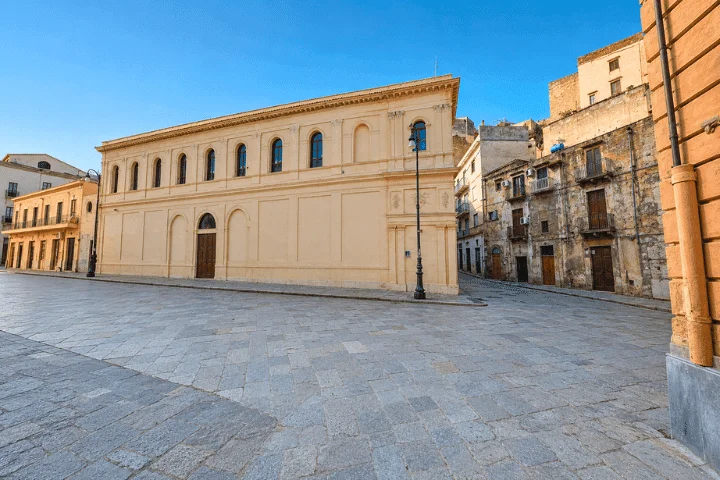
The murders changed public space
Falcone was killed in the Capaci bombing on 23 May 1992. Borsellino and members of his police escort were murdered in Via D'Amelio on 19 July. Grief became public anger. Sheets bearing messages appeared on balconies, funerals became moments of protest and a younger generation rejected inherited resignation. Memorial trees and murals are not neutral decorations. They mark a decision to keep victims present in civic life.
The paidTrippy Tour Guide Palermo audio experiencedevelops these themes through place without turning the article into a route list.
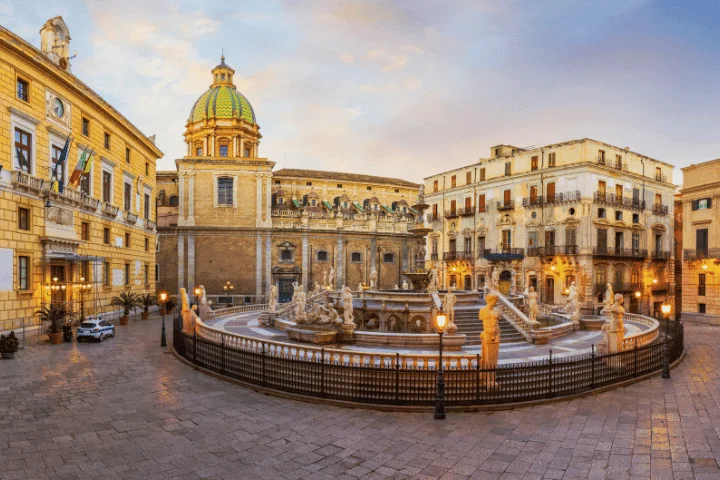
Economic resistance entered daily life
Addiopizzo began in 2004 with anonymous stickers declaring that a people who pays protection money is a people without dignity. The movement built networks of businesses and consumers willing to oppose extortion. Its strength came from translating a vast problem into everyday choices. A shopkeeper refusing payment needed collective support; a customer could direct spending toward participating businesses. Resistance became a shared economic practice rather than an isolated heroic act.
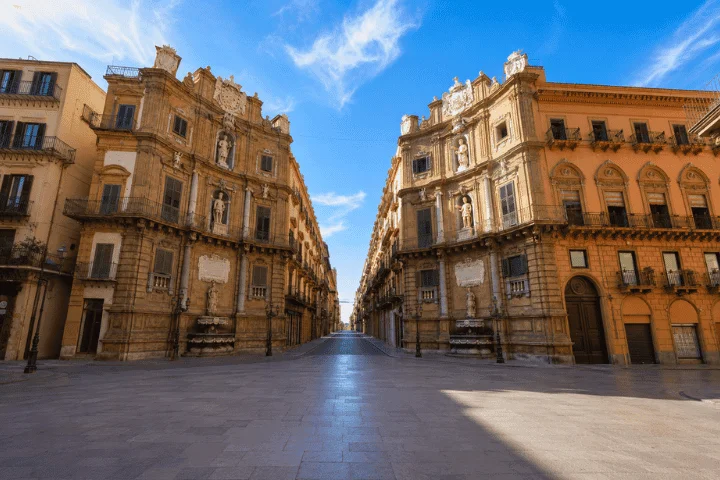
Education contests recruitment
Schools and youth groups play a central role because organised crime competes for identity as well as money. Teaching legal history, remembering victims and reclaiming neighbourhood spaces gives young people alternative models of status and belonging. This work is less dramatic than a trial, but it addresses the conditions that allow criminal authority to reproduce itself. Palermo's public culture increasingly treats anti Mafia education as part of citizenship.
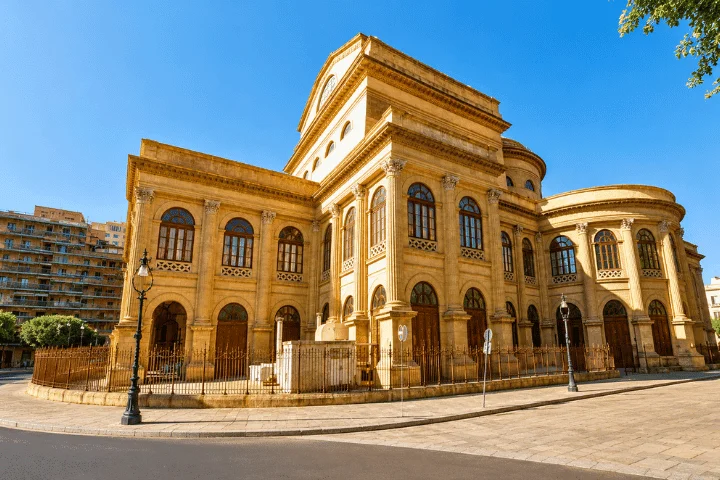
A responsible visit centres the movement
Dark tourism can turn violence into spectacle. Palermo deserves better. Visitors should learn names, institutions and civic initiatives, support ethical businesses and avoid treating residents as characters in a crime story. The city's architecture, markets and art exist alongside this history, not beneath it. The strongest interpretation leaves people with respect for democratic resistance and an understanding that progress requires continued vigilance.
What the wider story reveals
The most rewarding way to understand this subject is to connect visible places with the systems, choices and memories that produced them. A landmark becomes more than a photograph when its contradictions are allowed to remain. This article provides the wider argument. The audio experience supplies a separate, carefully paced encounter on location.
Continue the story on location
Use the paid Trippy Tour Guide Palermo audio experience for the complete narration and navigation. The article deliberately keeps those elements separate.
Open the paid Palermo audio experience
Frequently asked questions
What was the Maxi Trial?
It was a landmark prosecution that began in Palermo in 1986 and established major legal accountability for organised crime.
What is Addiopizzo?
It is a civic movement that supports businesses and consumers opposing Mafia extortion.
Is Palermo defined by the Mafia?
No. Palermo's history and culture are much broader, and its anti Mafia movement is central to its modern civic identity.
Sources and image credits
- Fondazione Falcone
- Addiopizzo
- Palermo municipal tourism
- Images are supplied from the corresponding Trippy Tour Guide tour gallery.