How St Kilda Became Melbourne’s Seaside Playground and Why the Penguins Stayed
St Kilda is where Melbourne learned to play beside the sea. Hotels, bathing, promenades, dance halls and amusement rides transformed a coastal settlement into a public escape. Its reputation changed repeatedly as wealth, nightlife, migration and counterculture remade the neighbourhood. Meanwhile, little penguins established a colony around the breakwater, finding shelter in an engineered structure built for human purposes. The coexistence is improbable and fragile: a wildlife population surviving beside restaurants, trams and one of Australia's largest cities.
For the complete on location story, explore Trippy Tour Guide's paid St Kilda audio experience. The locations, directions and narration remain inside the experience.
St Kilda: the railway made leisure accessible becomes visible through streets, buildings and public space.
The railway made leisure accessible
St Kilda developed as a fashionable retreat in the nineteenth century, but transport widened its audience. Rail and later tram connections allowed city residents to exchange work streets for sea air without a long journey. Leisure became part of metropolitan routine. Hotels and bathing facilities served different classes, while the foreshore offered one of the few urban spaces where crowds could simply watch weather and water.
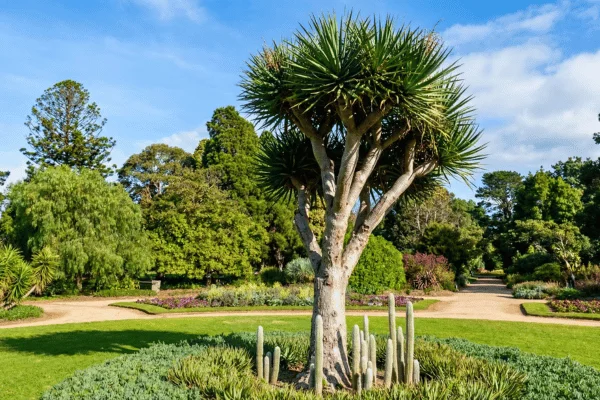
St Kilda: entertainment reshaped the shore becomes visible through streets, buildings and public space.
Entertainment reshaped the shore
The early twentieth century brought theatres, dance venues and amusement parks. Luna Park's entrance made fantasy architectural, inviting visitors to step through a giant face into a controlled world of motion and light. Palais de Danse and the later Palais Theatre reinforced St Kilda's identity as a place for performance. These venues made the suburb glamorous, but they also depended on affordable public access and a large metropolitan audience.
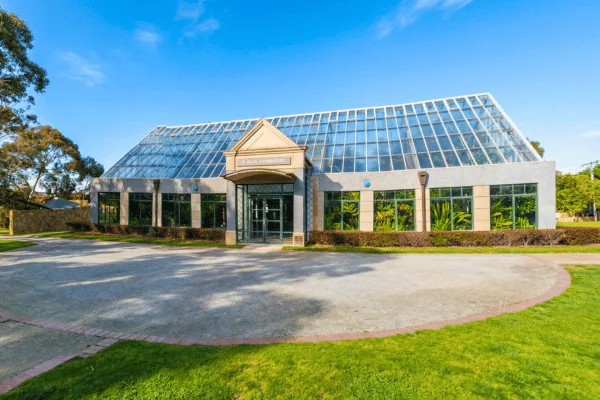
St Kilda: reputation followed social change becomes visible through streets, buildings and public space.
Reputation followed social change
As Melbourne expanded, St Kilda moved through cycles of prestige, decline, bohemian creativity and renewed investment. Migrants, artists, musicians and marginalised communities all contributed to its culture. Later gentrification preserved some buildings while changing who could comfortably live nearby. The suburb's charm comes partly from these overlapping identities. A neat heritage narrative would miss the conflict that made St Kilda socially distinctive.
The paid Trippy Tour Guide St Kilda audio experience develops these themes through place without turning the article into a route list.
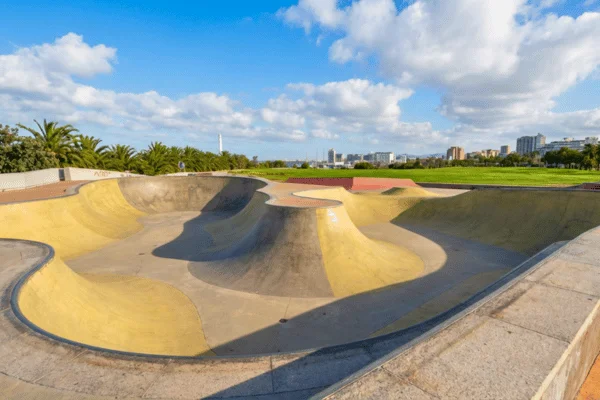
St Kilda: a breakwater became penguin habitat becomes visible through streets, buildings and public space.
A breakwater became penguin habitat
The breakwater was constructed for the 1956 Olympic Games sailing events. Its rocks created crevices suited to little penguins, which return from feeding at sea around sunset. Parks Victoria estimates that about 1,400 penguins use the colony. Their presence is not evidence that wildlife ignores urban pressure. It shows how an engineered structure can accidentally provide habitat when food, shelter and careful protection align.
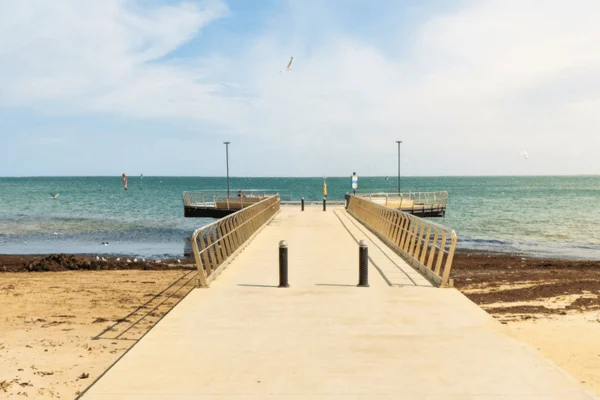
St Kilda: watching requires restraint becomes visible through streets, buildings and public space.
Watching requires restraint
Penguins are vulnerable to bright light, noise, dogs and close approach. Responsible viewing protects their natural behaviour. The rebuilt pier and dedicated viewing arrangements manage access while reducing disturbance. This is a crucial part of the story. Wildlife tourism succeeds only when the animal's needs take priority over the visitor's photograph. A crowded urban colony demands more discipline, not less.
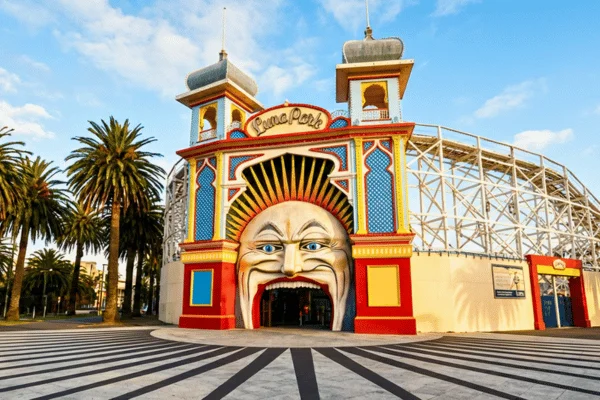
St Kilda: why st kilda still works becomes visible through streets, buildings and public space.
Why St Kilda still works
St Kilda remains compelling because amusement and ecology are visible in the same landscape. The pier points toward open water, historic venues face modern apartments and penguins return after dark. None of these elements is guaranteed to survive unchanged. Maintaining the suburb's character requires investment in heritage, public access and habitat. Its history shows that a playground can also be a place of responsibility.
What the wider story reveals
The most rewarding way to understand this subject is to connect visible places with the systems, choices and memories that produced them. A landmark becomes more than a photograph when its contradictions are allowed to remain. This article provides the wider argument. The audio experience supplies a separate, carefully paced encounter on location.
Continue the story on location
Use the paid Trippy Tour Guide St Kilda audio experience for the complete narration and navigation. The article deliberately keeps those elements separate.
Open the paid St Kilda audio experience
Frequently asked questions
How many little penguins live at St Kilda?
Parks Victoria says the colony contains around 1,400 little penguins, although wildlife numbers can change.
Why are penguins at St Kilda?
Rock crevices in the breakwater provide shelter close to feeding waters in Port Phillip.
How should visitors watch them?
Follow current Parks Victoria rules, use designated areas, keep quiet and avoid bright lights or flash.