How the Great Siege Created Valletta: Knights, Bastions and a City Built for War
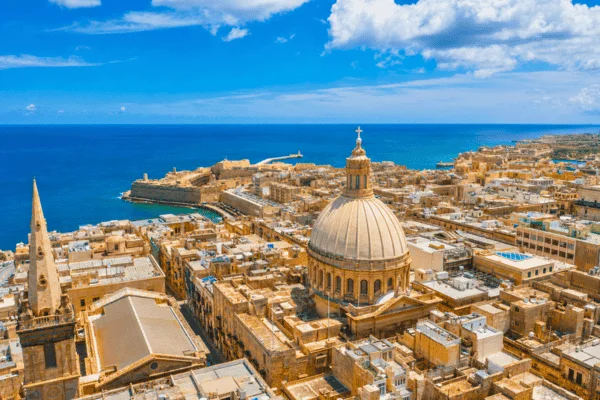
Valletta was not an old settlement that slowly acquired walls. It was a planned capital created after crisis. In 1565, the Ottoman attempt to capture Malta placed the islands at the centre of Mediterranean conflict. The Knights of Saint John and Maltese defenders survived the Great Siege at terrible cost. The victory exposed the weakness of their position around the Grand Harbour. The new city begun in 1566 was designed to prevent another near disaster and to announce that the order intended to remain.
For the complete on location story, explore Trippy Tour Guide's paidValletta audio experience. The locations, directions and narration remain inside the experience.
Valletta: malta controlled a strategic harbour becomes visible through streets, buildings and public space.
Malta controlled a strategic harbour
Malta's position between Sicily and North Africa made its harbours valuable to naval powers. The Knights of Saint John had settled on the islands in 1530 and operated within a wider conflict involving Ottoman expansion, Christian states, corsairs and trade. The siege was not an isolated clash between two simple blocs. It belonged to a complex Mediterranean world in which alliances, religion and maritime power overlapped.
The siege tested existing defences
Ottoman forces landed in May 1565. Fighting focused on forts and settlements around the Grand Harbour. Fort Saint Elmo endured an intense assault before falling, buying time at enormous human cost. Defenders at Birgu and Senglea continued under pressure until relief arrived in September. Later storytelling elevated heroes and simplified numbers, but the basic reality remains extraordinary: sustained siege warfare devastated both sides and reshaped European perceptions of Malta.
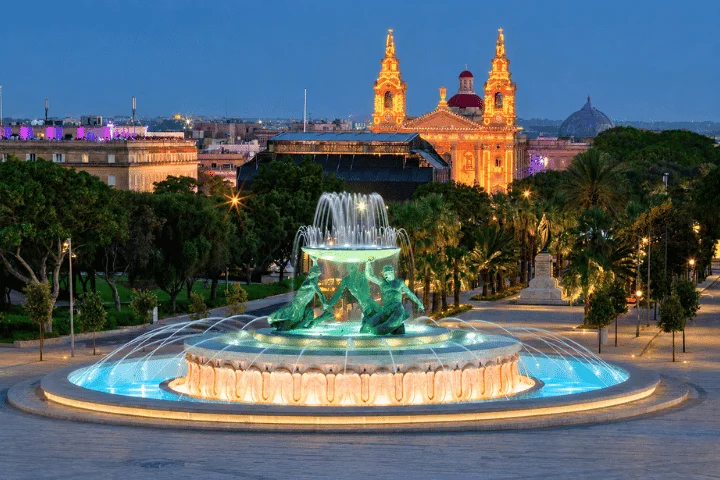
Victory revealed vulnerability
Survival did not mean the existing defensive arrangement was adequate. The exposed Sciberras peninsula overlooked both Grand Harbour and Marsamxett Harbour. A fortified city there could control high ground and protect naval access. Grand Master Jean Parisot de Valette supported the project, and the foundation stone was laid on 28 March 1566. The capital took his name, turning personal commemoration into urban identity.
The paidTrippy Tour Guide Valletta audio experiencedevelops these themes through place without turning the article into a route list.
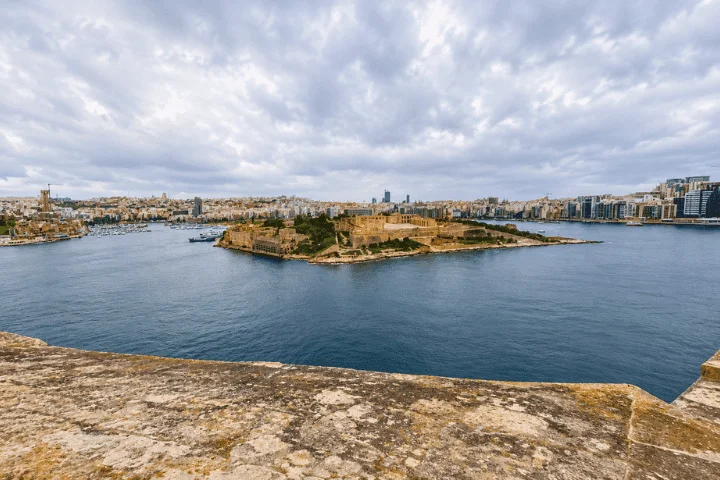
A grid served movement and defence
Engineer Francesco Laparelli planned a regular street grid adapted to the peninsula. Straight routes helped move troops and air through the city, while steep streets connected the harbours with the centre. Bastions, ditches and walls formed a defensive system rather than a decorative boundary. The plan also made a statement of order after chaos. Geometry became political confidence expressed in stone.
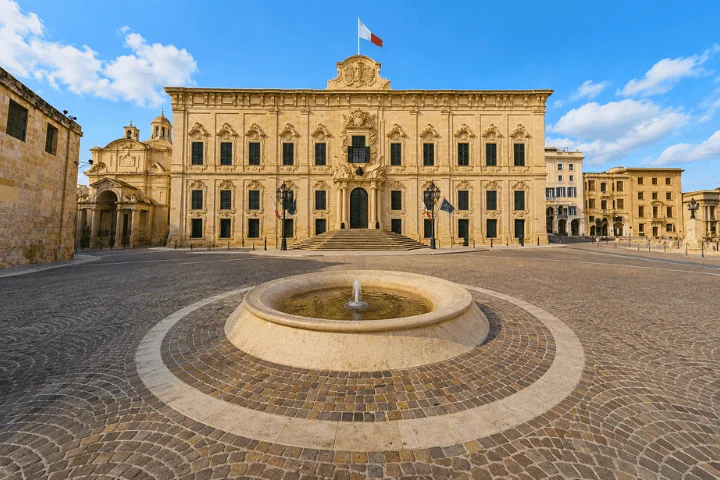
The city was more than a fortress
Valletta included churches, palaces, hospitals, auberges and spaces of administration. The Knights belonged to different European language groups, and their institutions gave the city an international character. Defence made construction urgent, but civic and religious ambition made it monumental. This combination explains why Valletta feels both severe and ornate. Military geometry contains richly decorated interiors.
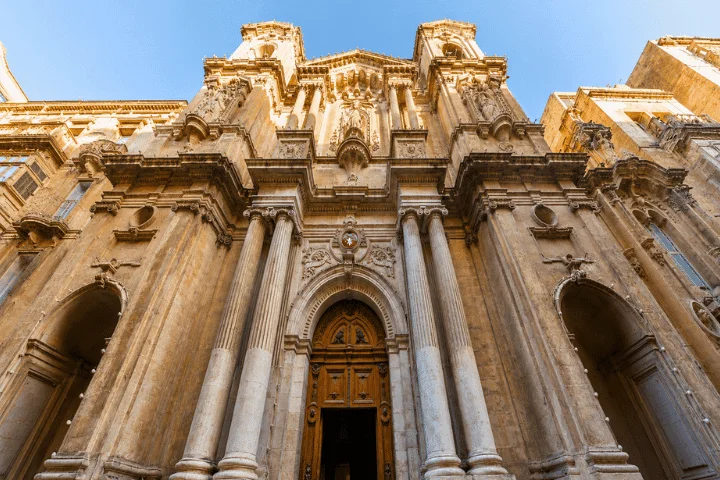
Fortifications became heritage
Modern warfare eventually reduced the defensive value of bastions, but the walls continued to organise movement and views. Valletta is now protected as a UNESCO World Heritage city. Preservation must accommodate residents, government, tourism and contemporary culture within a dense historic fabric. The fortifications succeed today not because they exclude an enemy, but because they make the city's origin legible from almost every approach.
What the wider story reveals
The most rewarding way to understand this subject is to connect visible places with the systems, choices and memories that produced them. A landmark becomes more than a photograph when its contradictions are allowed to remain. This article provides the wider argument. The audio experience supplies a separate, carefully paced encounter on location.
Continue the story on location
Use the paid Trippy Tour Guide Valletta audio experience for the complete narration and navigation. The article deliberately keeps those elements separate.
Open the paid Valletta audio experience
Frequently asked questions
When was the Great Siege of Malta?
The siege took place in 1565 and ended after relief forces arrived in September.
Why was Valletta built?
The siege demonstrated the need for a fortified city on the Sciberras peninsula to control the harbours and improve defence.
Who was Valletta named after?
It was named for Grand Master Jean Parisot de Valette, a leading figure during the siege.
Sources and image credits
- Visit Malta history timeline
- UNESCO City of Valletta
- Heritage Malta
- Images are supplied from the corresponding Trippy Tour Guide tour gallery.