The Latin Quarter Explained: How Students, Saints and Revolutionaries Shaped Paris
The Latin Quarter is not simply the area around a few famous monuments. It is a district formed by argument.
Students and teachers debated in Latin, religious institutions competed for influence, printers spread new ideas and political movements repeatedly claimed the streets.
Trippy Tour Guide’s paid Paris historic and cultural audio tour places those layers inside a wider story of the city. This article explains the district’s character without reproducing the tour route or narration.
The district combines monumental Paris with a dense landscape of schools, churches, homes and book culture.
Latin gave the quarter its name
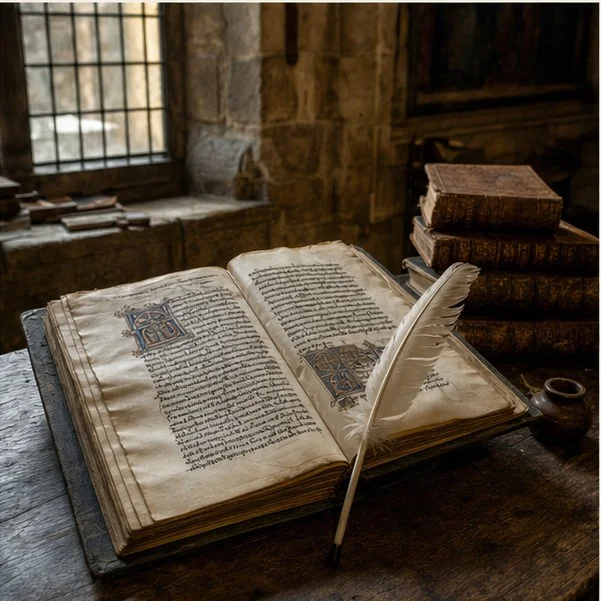
During the Middle Ages, Latin was the shared language of scholarship across much of Europe. Teachers and students used it in lectures, religious study and formal debate.
The University of Paris developed as a network of masters, students and colleges rather than as one closed campus. Learning spread through buildings and streets on the Left Bank.
Students arrived from different regions and organised themselves into groups. Their legal privileges and collective identity sometimes created friction with local residents and royal authority.
The name Latin Quarter therefore describes a social soundscape as much as a location. It recalls a district where education gave outsiders a common language and a reason to challenge one another.
The university made conflict productive
Theology, law, medicine and the arts were not quiet subjects. Public disputation trained scholars to state a position, answer objections and defend reasoning.
This culture produced intellectual prestige, but it also encouraged institutional confidence. Students and teachers could resist interference because they belonged to a body with privileges and international connections.
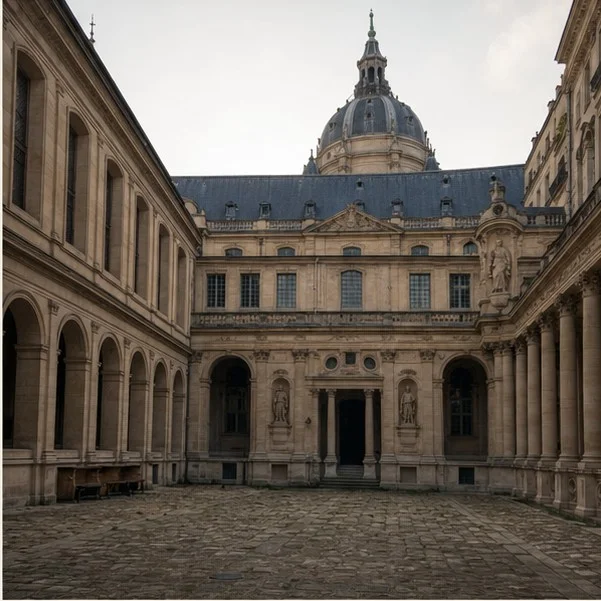
The Sorbonne became the most famous name associated with this tradition. Its history includes religious authority, political debate and repeated reinvention.
The district still feels academic because schools and universities remain active. The past is not represented only by plaques. Education continues to determine rhythms, businesses and the age of the crowd.
Sainte Geneviève joined faith to civic identity
Geneviève became the patron saint of Paris through traditions that connect her with protection, prayer and leadership during crisis.
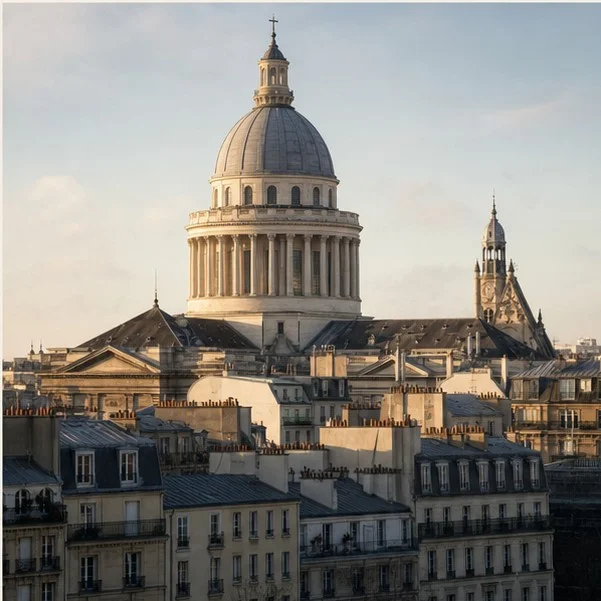
Her memory became especially important on the hill now associated with the Panthéon. Religious institutions dedicated to her shaped the area long before the present monument.
Saints helped medieval cities imagine themselves as communities under protection. Relics, processions and feast days made spiritual identity visible in public space.
The Latin Quarter’s intellectual history therefore never stood apart from religion. Universities grew within a Christian institutional world, even when later thinkers challenged church authority.
Let the district become a story, not a checklist
The paid Paris historic and cultural experience connects ideas, institutions and urban life while keeping its full route inside the tour.
The Panthéon changed meaning with politics
The Panthéon began as a church dedicated to Sainte Geneviève. Revolution transformed it into a national monument honouring great figures.
Its function changed more than once as French governments shifted between religious and secular visions. The building itself became an argument about who deserves public memory.
Burial in the Panthéon is not simply recognition of individual fame. It is a statement by the nation about values, identity and historical inheritance.
This makes the monument a useful key to the district. The Latin Quarter repeatedly converts belief and knowledge into public debate.
Books created a second public life
Printers, publishers and booksellers made the Left Bank central to literary culture. Widely distributed print could carry arguments beyond a lecture room.
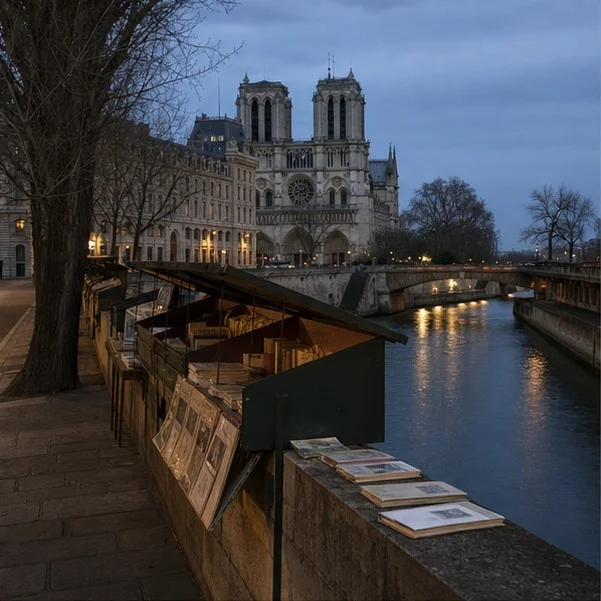
The bouquinistes along the Seine became one of the city’s most recognisable traditions. Their green boxes connect collecting, browsing and public space.
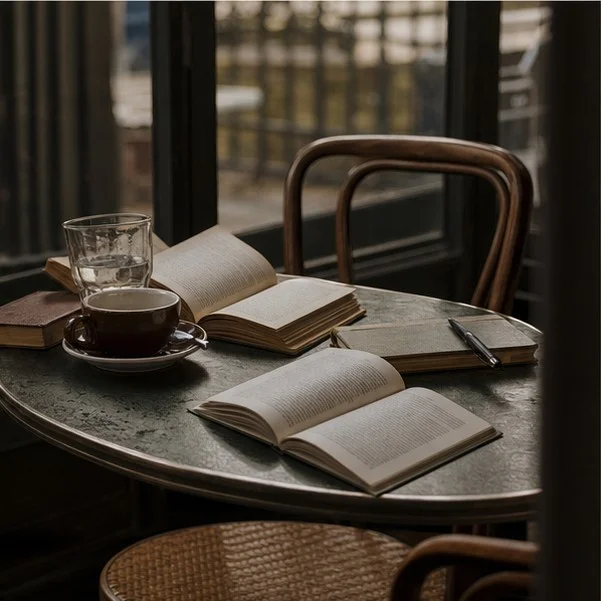
Book culture also includes cafes, small shops and publishing networks where writers tested identities and movements.
Romantic images of solitary authors can obscure the system around them. Writing depends on editors, printers, sellers, readers and places where ideas meet opposition.
Revolution returned students to the street
The Latin Quarter’s narrow streets and dense institutions repeatedly became settings for political protest.
The events of May 1968 remain the most famous modern example. Student demonstrations expanded into a national crisis involving workers, universities and government.
Barricades carried historical memory. Paris had used them in earlier revolutions, so building one was both practical resistance and symbolic performance.
The district’s identity as a place of youth and argument made it a natural stage. Yet the movement cannot be reduced to picturesque rebellion. It raised questions about authority, education, labour and everyday freedom.
What should a first time visitor notice?
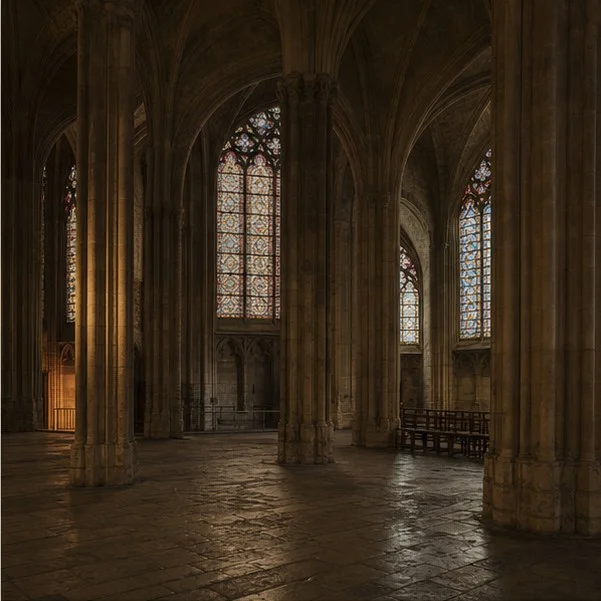
Look for changes of scale. A major monument may sit close to a medieval church, a university entrance or a quiet garden.
Notice how many institutions still function. This is not a preserved academic theme park. People study, worship, work and live here.
Pay attention to words in the landscape: inscriptions, book displays, street names and memorial plaques. The Latin Quarter explains itself through text more than many districts.
Finally, allow time for one idea to connect with another. The district rewards curiosity more than speed.
Frequently asked questions
Why is it called the Latin Quarter?
Latin was the main language of medieval university teaching. The name reflects the concentration of scholars on the Left Bank.
Is the Sorbonne one building?
The name refers to a historic institution and is used across a complex modern university landscape. The wider University of Paris tradition was never limited to one simple campus.
Why is the Panthéon important?
Its changing role from church to national monument records major shifts in French politics and public memory.
Is the Latin Quarter still a student area?
Yes. Universities, schools and research institutions continue to shape the district, even as tourism and high property costs change it.
Does the paid tour include the exact journey?
Yes. The paid Paris historic and cultural tour contains complete audio, sequence and navigation.