Vatican and Trastevere: Two Very Different Romes Across the Tiber
The Vatican and Trastevere sit on the same side of the Tiber, yet they create almost opposite impressions.
The Vatican projects universal authority through immense spaces, ceremonial routes and some of the most ambitious art in Europe. Trastevere feels intimate, layered and residential, with churches, lanes and social life shaped at neighbourhood scale.
Trippy Tour Guide’s paid Rome Vatican and Trastevere audio tour explores the contrast as one connected experience. This article helps you understand the comparison without publishing its route, directions or full narration.
Two districts close in geography offer radically different ideas of what Rome can be.
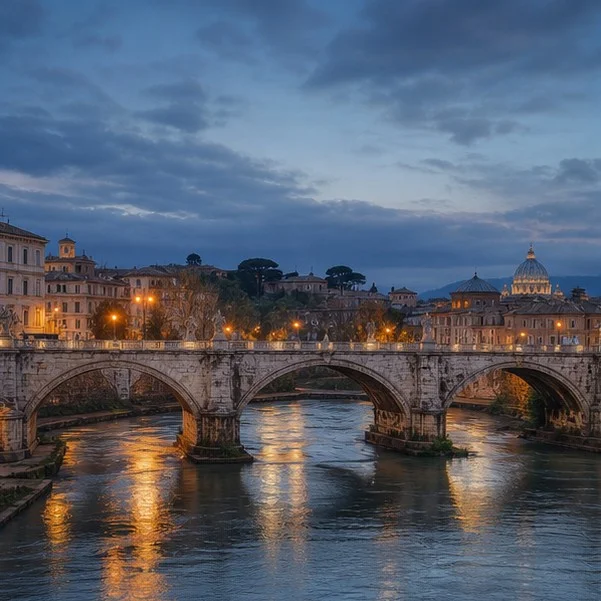
The Tiber is a boundary and a connector
Trastevere means across the Tiber. The name depends on the viewpoint of ancient Rome’s central hills.
Rivers divide cities, but they also carry trade, people and stories. Bridges made movement possible while preserving a sense that the far bank had its own character.
The area around the Vatican developed through pilgrimage and papal authority. Trastevere grew through residential, commercial and religious life that often felt less formal.
Crossing the river therefore changes more than scenery. It shifts the scale of experience and the institutions that dominate it.
The Vatican turns arrival into theatre
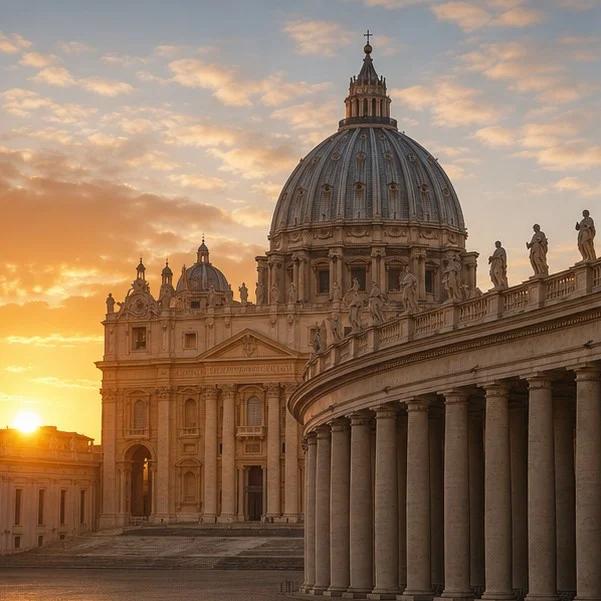
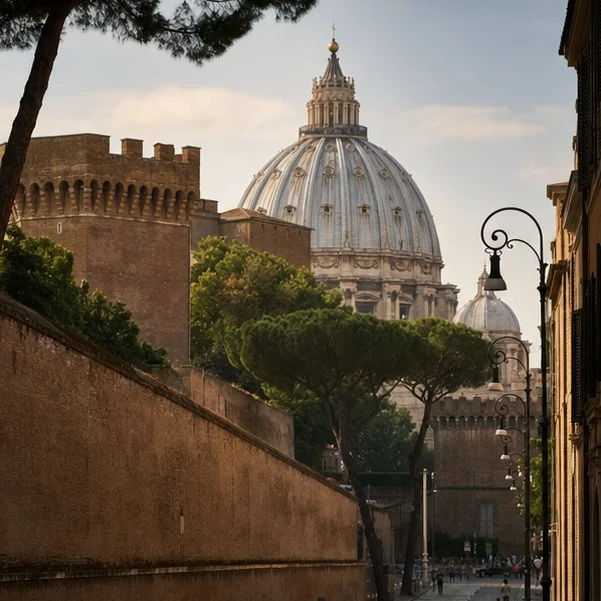
Saint Peter’s Square does not behave like an ordinary piazza. Bernini’s colonnades extend outward in a vast embrace, organising crowds and framing the basilica.
The space was designed for ceremony. Scale communicates that the church reaches beyond the individual visitor. Processions, blessings and major events transform architecture into collective experience.
The basilica continues this effect through height, light, precious materials and a concentration of artistic achievement. The building is meant to overwhelm and guide attention.
This grandeur is not decorative excess alone. It gives visible form to claims of continuity, sacred authority and global reach.
Saint Peter’s contains layers of memory
The basilica stands above a long history associated with the tomb of Saint Peter. The present structure replaced an earlier Constantinian church.
Michelangelo’s dome, Bernini’s baldachin and numerous monuments belong to different periods. They appear unified because later planners transformed the whole interior into a coherent statement.
Visitors can focus on individual masterpieces and miss the deeper theme: the church uses location, burial and rebuilding to present historical continuity.
The Vatican side of Rome is therefore about accumulated authority. Each generation adds to a sacred centre already heavy with meaning.
Experience contrast instead of collecting landmarks
The paid Rome Vatican and Trastevere experience connects monumental Rome with neighbourhood Rome while keeping the full journey inside the tour.
Trastevere rewards a smaller field of view
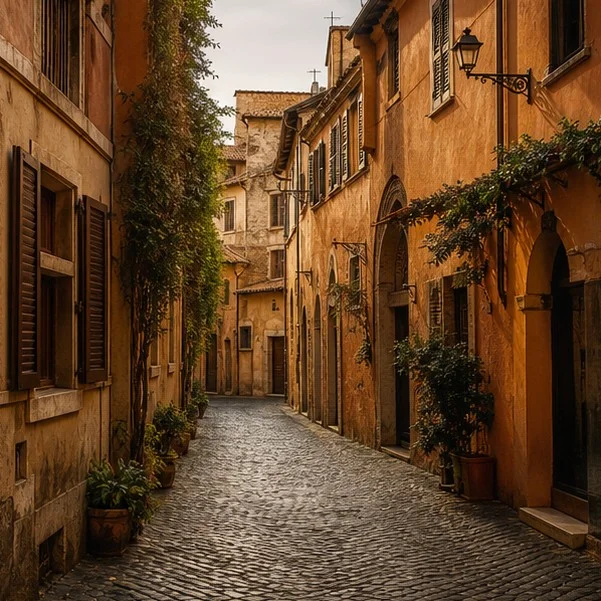
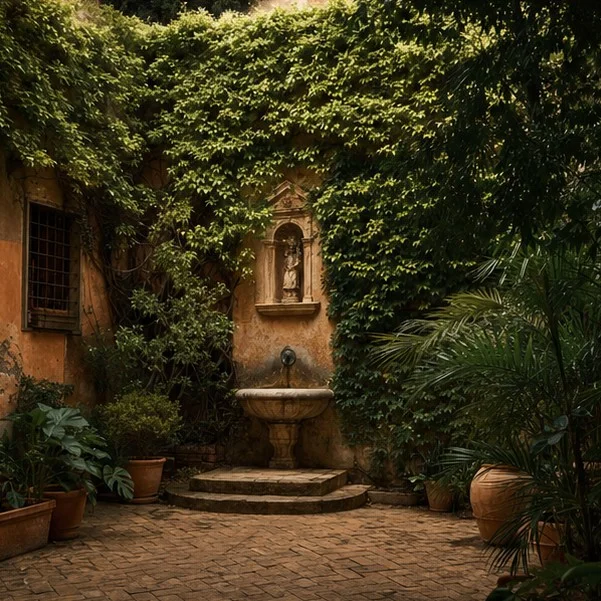
In Trastevere, attention drops from dome and colonnade to doorway, fountain, laundry and cafe table.
The neighbourhood’s narrow streets are not evidence that it escaped history. Ancient communities, medieval churches, later palaces and modern nightlife all occupy the same district.
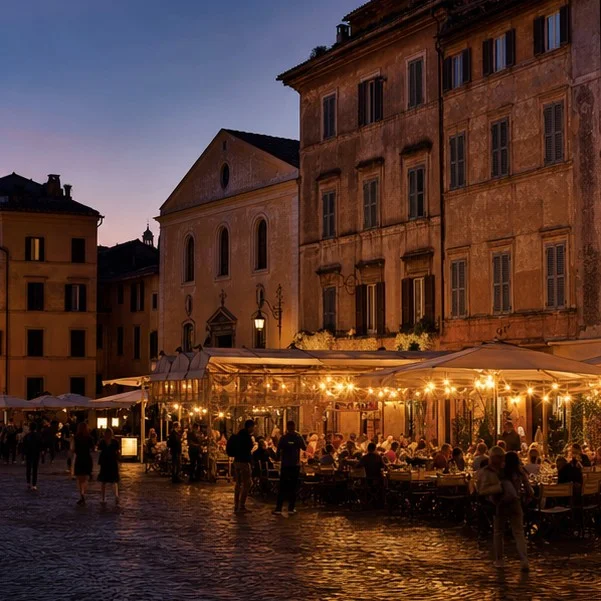
Its charm can become a marketing image, especially in crowded evening areas. Yet real residential life continues around the visitor economy.
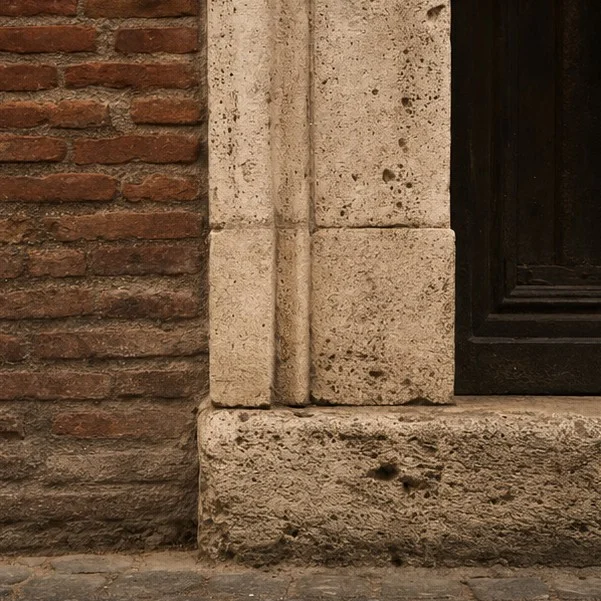
The best way to read Trastevere is to notice friction between postcard beauty and lived city. A worn wall can matter as much as a polished facade because it records adaptation rather than official display.
Santa Maria in Trastevere offers another kind of grandeur
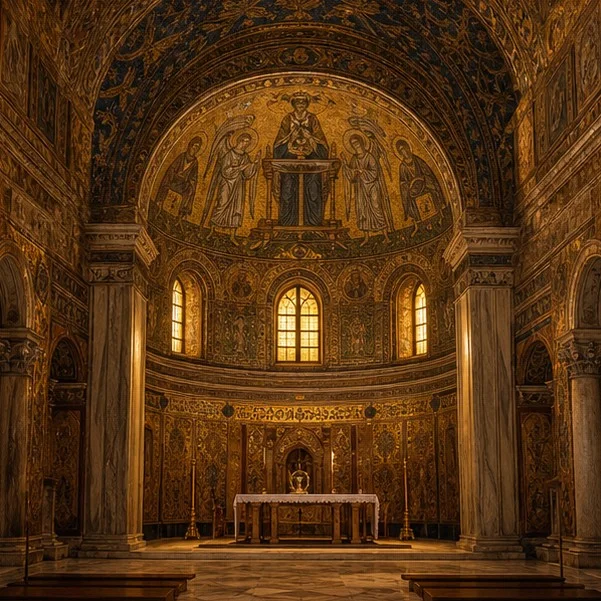
The Basilica of Santa Maria in Trastevere is among the district’s defining landmarks. Its mosaics create sacred splendour within a more intimate urban setting.
The church opens onto a piazza used for gathering, conversation and movement. Sacred and social space touch directly.
This is different from the Vatican’s monumental choreography. The church belongs visibly to a neighbourhood, even while its art participates in the wider history of Rome and Christianity.
Comparing the two basilicas is not a competition. It reveals how religious architecture can create authority through very different scales.
Food culture is part of the district, not its entire identity
Trastevere is associated with Roman cooking and evening social life. That reputation attracts visitors, but it can flatten the neighbourhood into a dining zone.
Food matters because it connects family, labour and local routine. Traditional dishes reflect thrift, seasonality and the transformation of simple ingredients through technique.
Choosing where to eat requires attention. A crowded street can contain both excellent kitchens and places designed only for passing demand.
The deeper experience comes from understanding that hospitality exists inside a community with schools, churches, homes and political memory.
Which side deserves more time?
Choose according to energy and interest. The Vatican demands concentration, advance planning and tolerance for crowds. Trastevere rewards wandering attention and changes character through the day.
Together they prevent a one dimensional view of Rome. One side demonstrates how institutions stage power. The other reveals how a district absorbs history into ordinary life.
If you visit both, leave mental space between them. The contrast is the point.
Frequently asked questions
Is Trastevere close to the Vatican?
They are on the same side of the Tiber and can be combined, but the practical journey depends on your exact start, access conditions and pace.
Should you visit the Vatican or Trastevere first?
Many travellers give the Vatican their most focused hours, then experience Trastevere later when the neighbourhood becomes lively. Reservations and official opening times should guide the decision.
Is Trastevere only worth visiting at night?
No. Morning and afternoon reveal residential details, churches and a calmer relationship with the streets.
Do you need a ticket for Saint Peter’s Basilica?
General access arrangements can change, and security lines are common. Check the official basilica and Vatican information before visiting.
Does this article provide the walking route?
No. The paid Rome Vatican and Trastevere tour contains the complete navigation and audio experience.