Michelangelo’s Florence: The Rivalries, Failures and Risks Behind the Masterpieces
Michelangelo’s Florence is often presented as a parade of victories: David, the Medici tombs, drawings for the cathedral and a reputation that eventually towered over the Renaissance. That version misses the pressure that made the work so intense.
He competed with Leonardo, argued with patrons, abandoned commissions and survived violent changes of government. Even his most admired sculptures carry evidence of delay, damaged plans and political risk.
To experience that human story in the city, Trippy Tour Guide’s paid Michelangelo in Florence audio walking tour connects the artist’s public image with the rivalries and choices behind it. The route and full narration remain inside the experience.
The legend begins in a workshop where expensive stone, difficult patrons and physical labour made every decision consequential.
Florence trained Michelangelo to compete
Michelangelo Buonarroti grew up in a city where art was public argument. Guilds, religious institutions and wealthy families used commissions to display devotion, authority and taste. A statue could transform a civic space, honour a dynasty or humiliate a rival.
The young artist entered the cultural circle around Lorenzo de’ Medici. This gave him access to classical sculpture, humanist conversation and powerful observers. It did not give him a calm career. Florence rewarded brilliance, but it also compared artists relentlessly.
Michelangelo learned to make the body carry ambition. His figures do not simply stand. They turn, gather force and appear to resist the stone around them. That tension became a personal signature, but it also suited a city that treated artistic achievement as civic power.
David was a rescue before it became an icon
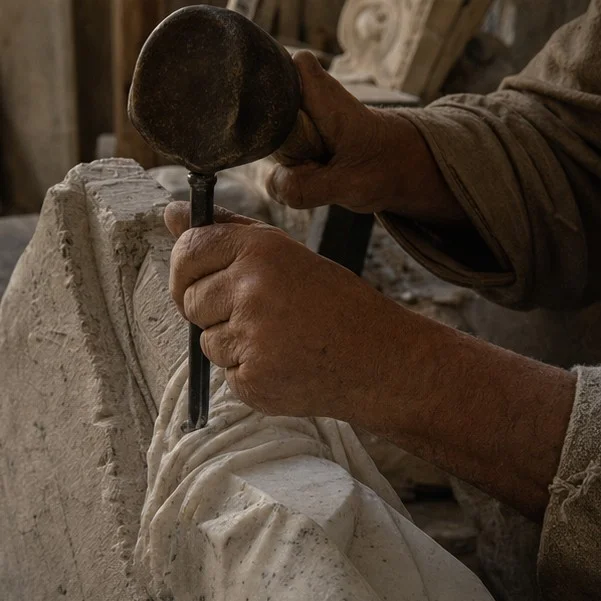
The marble used for David had already been worked by other sculptors and left exposed for years. Michelangelo inherited a tall, narrow block with serious constraints. The commission was not a blank invitation. It was a rescue problem.
He responded by designing a figure whose concentration matters as much as his scale. David is shown before combat, alert rather than triumphant. The enlarged hands and focused gaze communicate stored action.
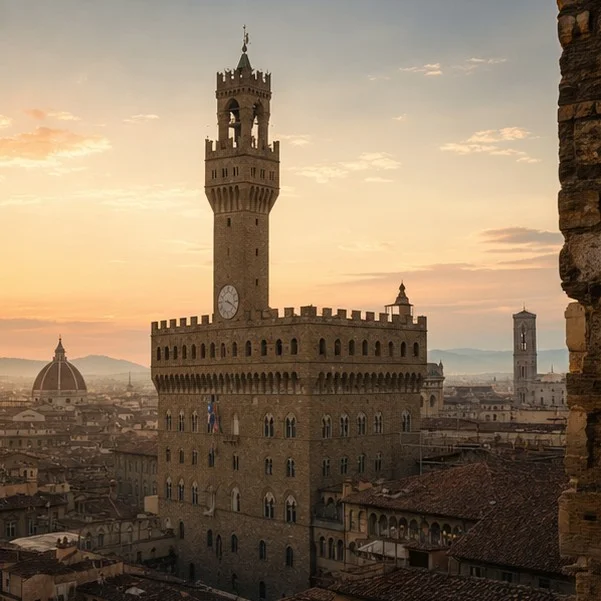
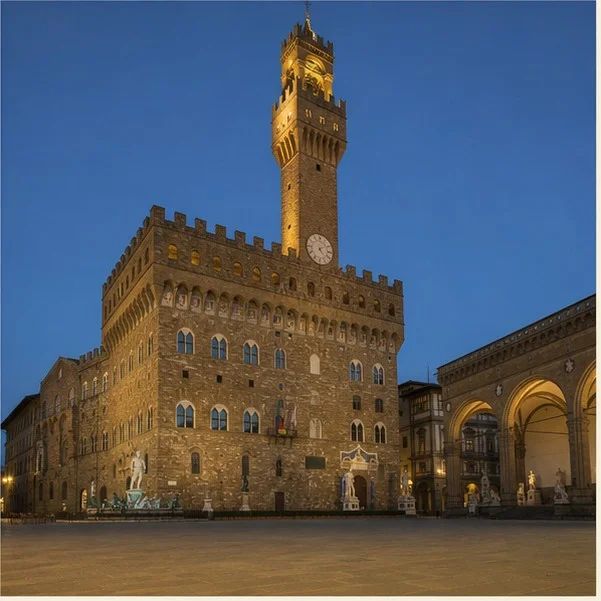
Florence quickly gave the statue a political meaning. Instead of remaining high on the cathedral, it was placed near the seat of government. The biblical underdog became an image of a republic defending itself against stronger powers.
That transformation explains why David cannot be understood only as an anatomy lesson. It is also a work about location, public identity and the moment when private skill becomes political property.
Leonardo turned a commission into a duel
The famous rivalry between Michelangelo and Leonardo da Vinci was not invented by later admirers. Their temperaments, generations and artistic methods were visibly different. Florence intensified the comparison by commissioning both men to design battle scenes for the same civic hall.
Leonardo explored movement through atmosphere, expression and tangled groups. Michelangelo pushed bodies into a compressed display of muscular energy. Neither mural reached the completed form that patrons expected.
The failure matters. The surviving designs influenced artists for generations, even though the grand public project did not endure. Renaissance fame was not built only through finished objects. Drawings, cartoons, copies and stories could give an abandoned idea a second life.
See the masterpieces as decisions, not trophies
The paid Michelangelo in Florence audio experience adds political and artistic context without publishing the tour sequence in this article.
Unfinished sculpture became part of his language
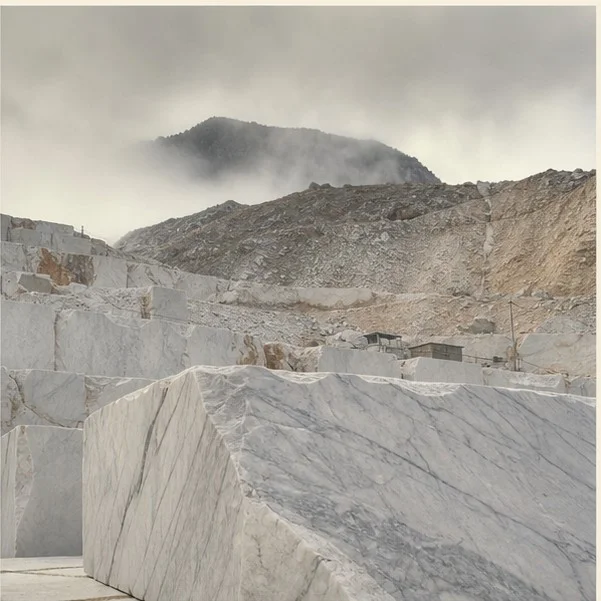
Michelangelo left numerous works incomplete. Some were interrupted by money, politics or new commissions. Others feel deliberately suspended between rough marble and emerging body.
The Prisoners are the clearest example. Limbs and torsos appear to push out of the block while other areas remain marked by tools. Viewers often read them as a statement about figures trapped inside stone. That idea is appealing, but the practical history is equally important. Plans changed, contracts expanded and enormous projects exceeded the time available.
The unfinished surface makes labour visible. It shows that Renaissance sculpture was not effortless inspiration. It required quarrying, transport, planning, assistants and sustained physical force.
The Medici commissions placed him inside danger
Michelangelo’s relationship with the Medici was never simple gratitude. The family supported his early development and later commissioned major work. Yet Florence repeatedly shifted between Medici control and republican government.
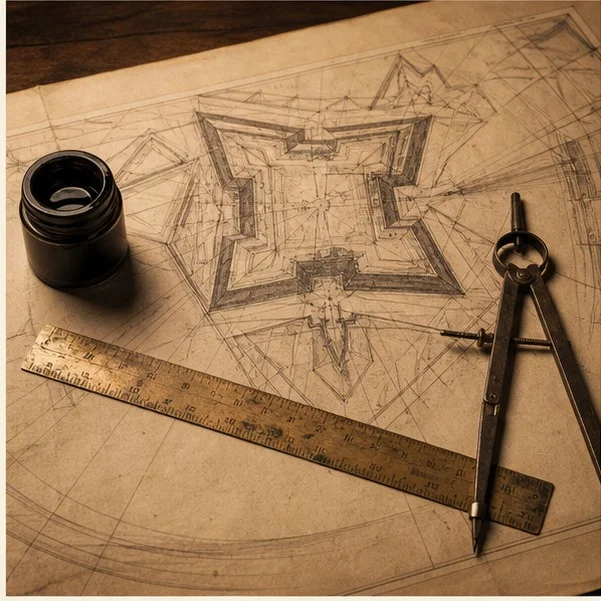
When the republic returned, Michelangelo applied his knowledge of architecture and terrain to the city’s defences. After the Medici regained control, that service placed him in danger. According to early accounts, he hid before receiving protection and returning to work.
The Medici Chapel therefore belongs to a complicated political world. Its figures of Day, Night, Dawn and Dusk can be admired formally, but they also surround dynastic tombs created by an artist whose loyalties had been tested.
The cathedral remained a lifelong measure
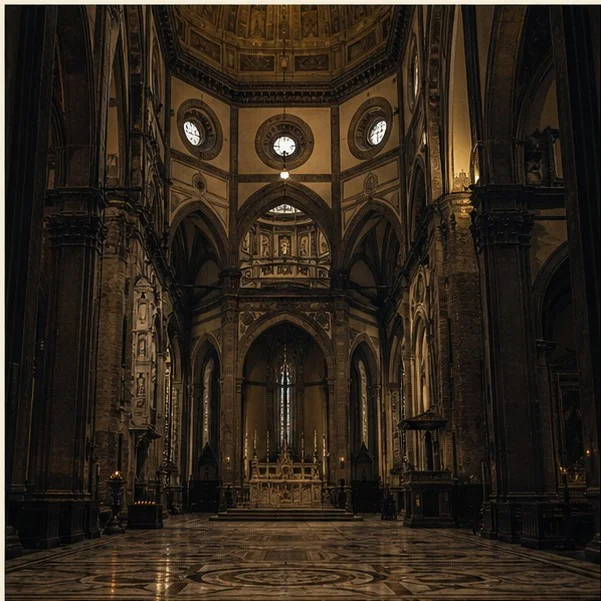
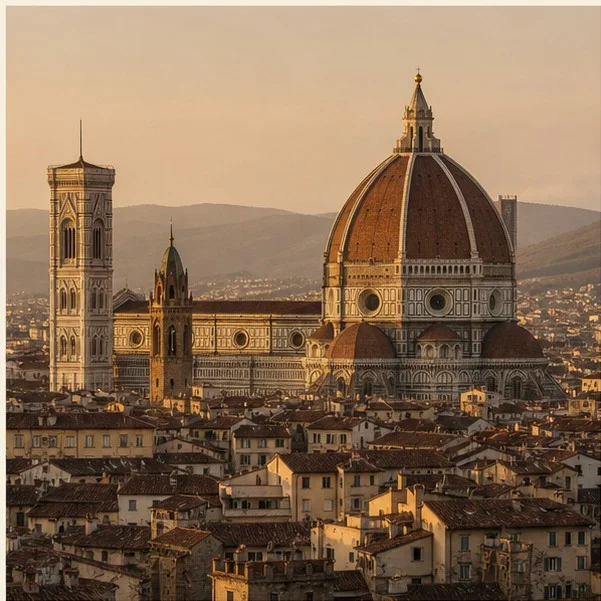
Florence Cathedral shaped Michelangelo’s imagination from youth. Brunelleschi’s dome demonstrated that an artist could solve an apparently impossible structural problem and change the identity of a city.
Michelangelo later carried that memory to Rome when designing the dome of Saint Peter’s. The forms are not identical, yet Florence remained a standard against which monumental ambition could be judged.
His connection to the cathedral also includes an intensely personal late work, the Florentine Pietà. Intended in part for his own tomb, the group was damaged by the artist and later repaired by another hand. It is not the image of smooth confidence associated with his earlier fame. It is a difficult work about grief, age and dissatisfaction.
Why the failures make the masterpieces stronger
Michelangelo’s career becomes more interesting when perfection stops being the central theme. David emerged from compromised stone. The civic battle mural became an influential absence. The Prisoners preserve interruption. The Medici projects carry political tension. The late Pietà records damage and revision.
These are not side notes to genius. They reveal how ambition works under pressure. Michelangelo could be proud, difficult and relentless, but he was never outside history. Money, government, rivalry and mortality shaped what he could complete.
Frequently asked questions
Where can you see Michelangelo’s art in Florence?
Major works are held by the Accademia Gallery, the Medici Chapel, the Bargello and the Opera del Duomo Museum. Access rules and opening times should always be checked with the official institutions.
Why is David important to Florence?
Its artistic achievement was joined to a civic meaning. The republic adopted David as an image of vigilance and resistance against stronger opponents.
Did Michelangelo and Leonardo really dislike each other?
Contemporary and early biographical sources describe tension and competition. Florence’s decision to commission their battle designs for the same hall made the rivalry especially visible.
Why did Michelangelo leave sculptures unfinished?
There was no single reason. Patronage changes, political disruption, huge workloads and evolving artistic decisions all contributed.
Is this article the same as the audio tour?
No. This article explains a theme. The paid Michelangelo in Florence tour provides the complete on location experience, including its own sequence and narration.