Milan Beyond Fashion: Bone Chapels, Plague Palaces and Architectural Illusions
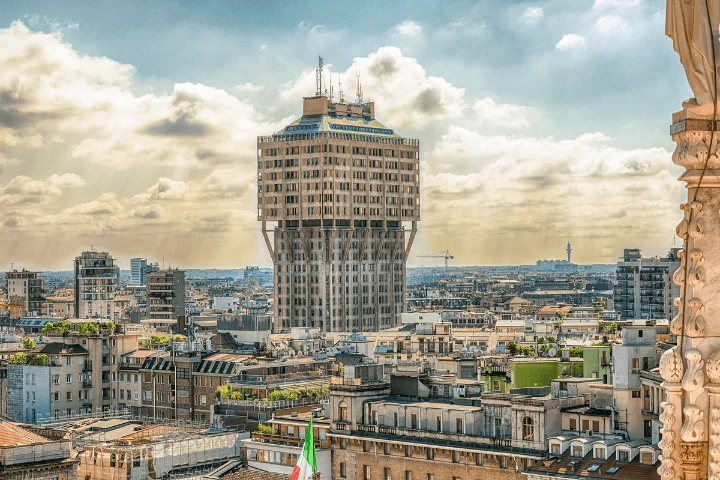
Milan is often described through fashion, finance and the monumental cathedral. That image is accurate but incomplete. Behind restrained façades, the city contains a chapel lined with human bones, an impossible Renaissance choir created through perspective and traces of institutions built to contain epidemic disease. These places reveal a Milan skilled at managing appearances. Decoration can turn mortality into pattern, paint can create space where none exists and urban redevelopment can almost erase a landscape of suffering.
For the complete on location story, explore Trippy Tour Guide's paidMilan audio experience. The locations, directions and narration remain inside the experience.
Milan: bones became a devotional interior becomes visible through streets, buildings and public space.
Bones became a devotional interior
San Bernardino alle Ossa is famous for its ossuary chapel, where skulls and bones are arranged across the walls. The material came from an earlier cemetery and hospital context, and the present decoration developed over time. Modern visitors may experience the room as macabre, but its religious purpose concerns mortality, prayer and resurrection. The bones are human remains, not theatrical props. Respect changes how the interior is seen.
Why an ossuary can be beautiful
The chapel's patterns create visual order from the fact of death. Baroque framing, painted surfaces and repeated bone forms move the eye around the room. Beauty does not cancel discomfort. It intensifies the question of how societies make death visible. Modern urban life often removes bodies from public view. The ossuary belongs to a culture in which mortality could be integrated into devotion and architecture.
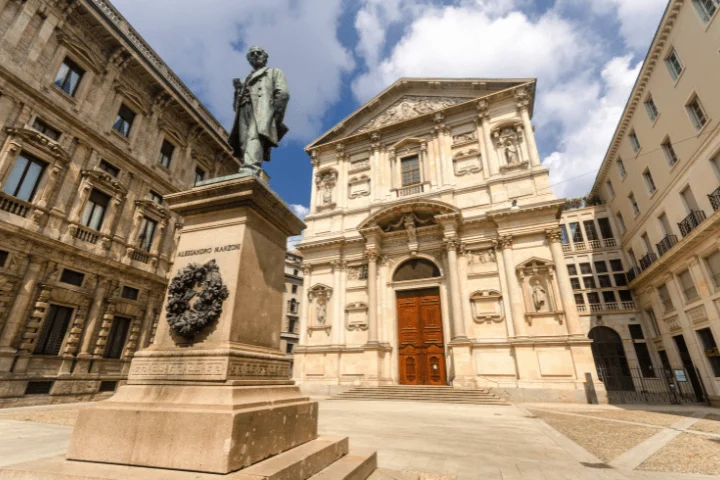
Bramante invented space with perspective
At Santa Maria presso San Satiro, a street behind the church limited the depth available for a conventional choir. Donato Bramante answered with a painted and moulded perspective illusion. From the nave, the shallow space appears to extend far behind the altar. Moving closer reveals the construction. The solution is witty and rigorous, showing Milanese Renaissance design as an art of intelligence rather than mere ornament.
The paidTrippy Tour Guide Milan audio experiencedevelops these themes through place without turning the article into a route list.
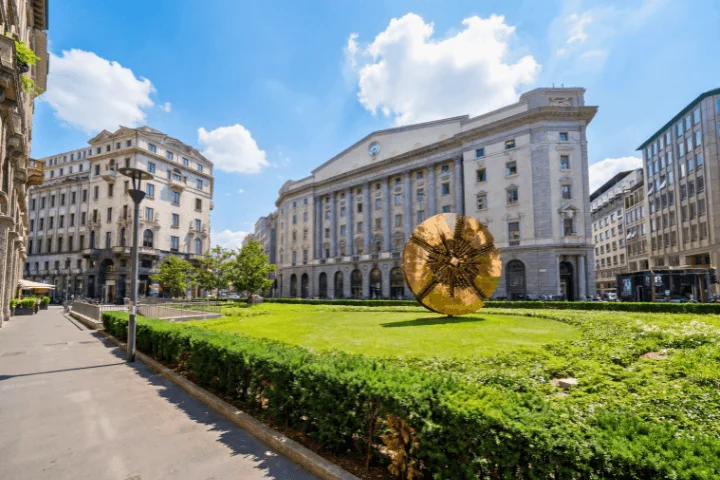
The illusion changes the visitor's role
Bramante's false choir depends on a privileged viewpoint. The viewer completes the architecture by accepting visual cues. Once the trick is recognised, the church becomes an experiment in perception. This is why the work still feels modern. It does not simply display mastery. It exposes how easily the mind converts converging lines, light and scale into believable space.
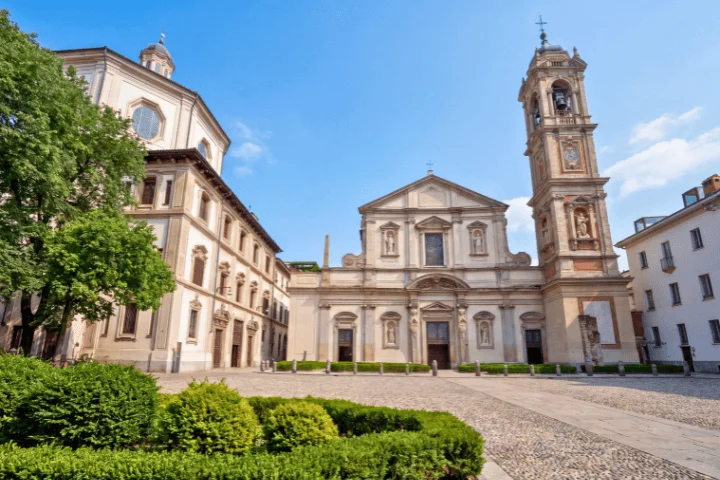
Plague reshaped the city
Milan endured repeated epidemics, including the severe plague of 1630. Lazarettos isolated the sick outside dense neighbourhoods, while regulations controlled movement, goods and burial. Most of the great Lazzaretto di Milano disappeared as the city expanded, though traces and memory remain. Its near absence is historically important. Urban growth can erase the physical scale of public health measures even while literature and archives keep them present.
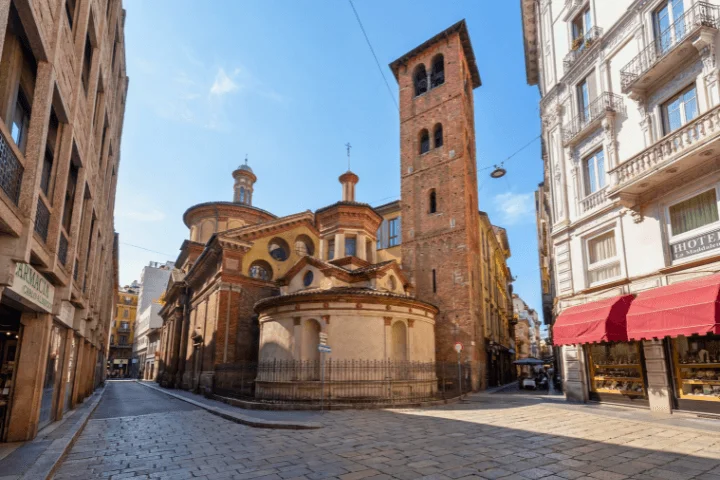
The polished city has shadows
Milan's hidden sites are not curiosities detached from its modern identity. They reveal the same qualities seen in fashion and design: control of surface, material and perception. The difference is subject matter. Death, epidemic and spatial constraint replace luxury. Looking beyond the famous landmarks does not reject Milan's elegance. It shows how elegance can carry difficult history and intellectual play.
What the wider story reveals
The most rewarding way to understand this subject is to connect visible places with the systems, choices and memories that produced them. A landmark becomes more than a photograph when its contradictions are allowed to remain. This article provides the wider argument. The audio experience supplies a separate, carefully paced encounter on location.
Continue the story on location
Use the paid Trippy Tour Guide Milan audio experience for the complete narration and navigation. The article deliberately keeps those elements separate.
Open the paid Milan audio experience
Frequently asked questions
Where is Milan's bone chapel?
The ossuary is at the Church of San Bernardino alle Ossa near the city centre.
How did Bramante create the false choir?
He used perspective, modelling and painted architectural cues to make a shallow space appear deep.
What happened to Milan's old plague hospital?
Most of the historic Lazzaretto was demolished as the city redeveloped, although traces and records survive.
Sources and image credits
- YesMilano on San Bernardino alle Ossa
- YesMilano hidden wonders
- Santa Maria presso San Satiro
- Images are supplied from the corresponding Trippy Tour Guide tour gallery.