Viking Oslo Without the Viking Ship Museum: What You Can Actually See in 2026
The most important fact for Viking fans visiting Oslo in 2026 is also the easiest to miss: the former Viking Ship Museum is closed.
The Oseberg, Gokstad and Tune ships are not currently on public display. They are being prepared for the new Museum of the Viking Age, which Visit Oslo says is expected to open at the end of 2027.
That does not make a Viking focused day in Oslo pointless. It changes the experience.
Instead of one famous room filled with original ships, visitors can see authentic weapons, jewellery, tools and ritual objects at the Historical Museum, explore digital ship models and immersive storytelling at The Viking Planet, and use the city itself to understand how the Oslo region connects to the Viking Age and the medieval kingdom that followed.
For a broader account of how Oslo grew from a Viking settlement into a modern capital, use Trippy Tour Guide’s paid Oslo self guided walking tour. The complete city sequence and GPS guided narration stay inside the product.
Viking Oslo in 2026 is a story told through objects, digital interpretation and the wider city rather than original ships on display.
First, understand what is closed
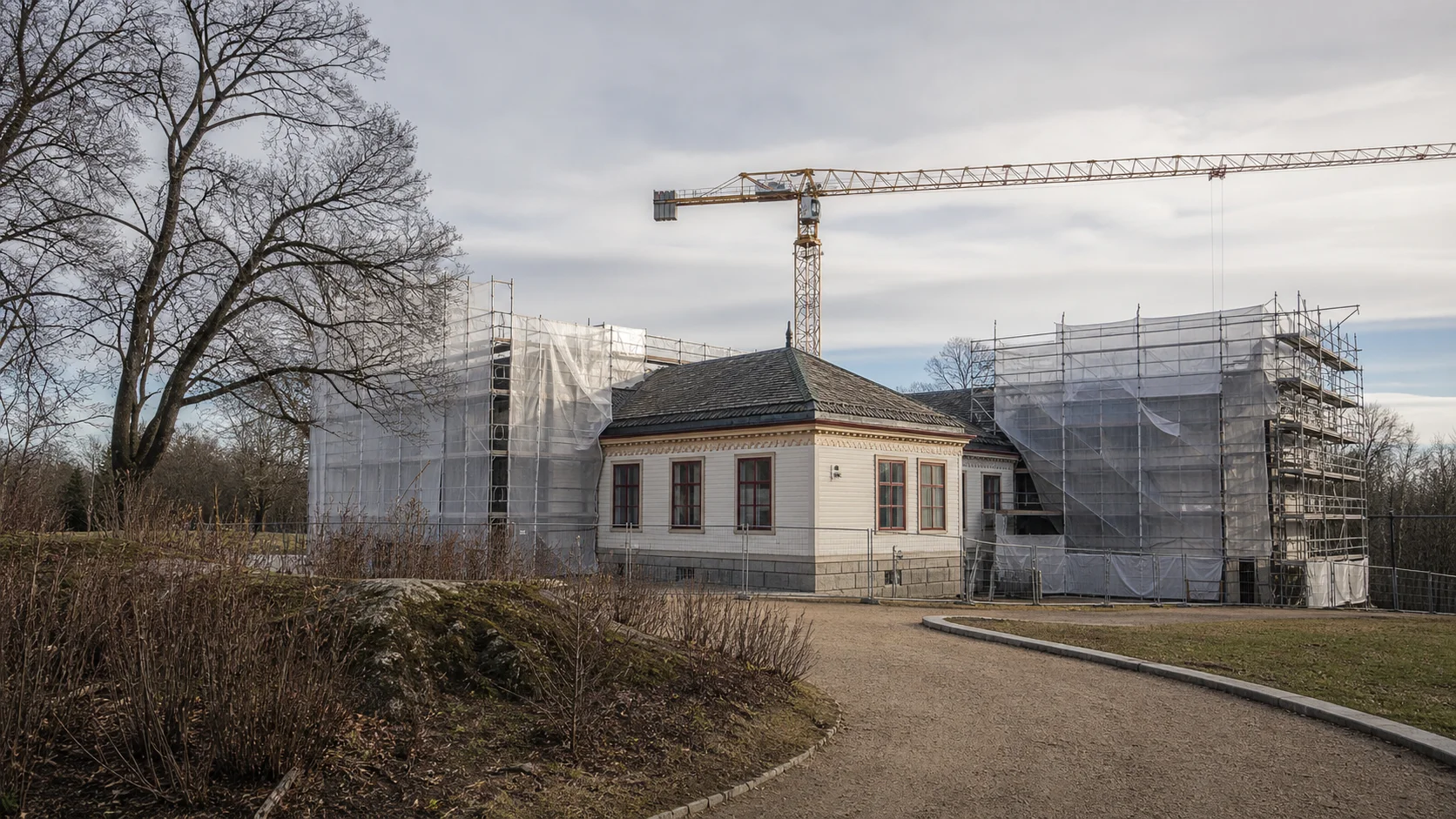
The old Viking Ship Museum on Bygdøy closed in 2021. The building is being transformed and expanded as the Museum of the Viking Age.
In 2026, you cannot enter the former museum and you cannot see the three famous burial ships in person.
This matters because outdated travel pages still use photographs of the Oseberg ship as if the hall were open. Do not travel to Bygdøy expecting a temporary display nearby. The ships require demanding conservation and a purpose built home.
The current plan reported by Oslo’s official visitor organisation is for the new museum to open at the end of 2027. Treat that as a future plan, not a guaranteed date for your own trip. Check the museum’s official information before booking travel around it.
Best for authentic Viking objects: the Historical Museum
If seeing original material matters most, prioritise the Historical Museum in central Oslo.
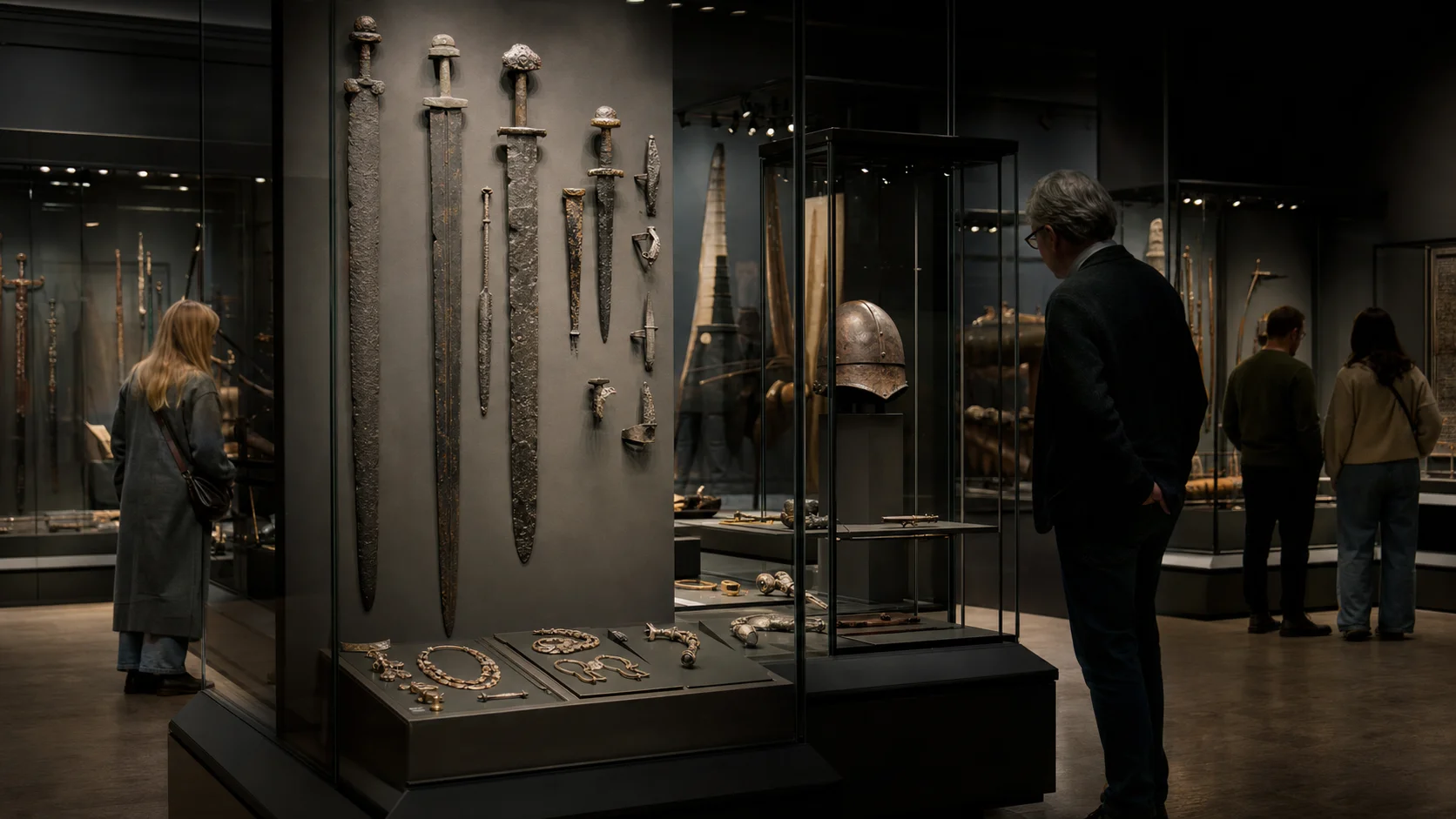
The VÍKINGR exhibition presents weapons, jewellery and objects associated with life, belief, status and craftsmanship. Visit Oslo highlights the Gjermundbu helmet, widely described as the world’s best preserved Viking helmet.
This is the place to correct the idea that Viking history is mainly about ships and raids. A sword reveals technology and status. Jewellery reveals trade, taste and identity. Domestic and ritual objects reveal a society made up of farmers, craftspeople, merchants, enslaved people, political leaders and travellers.
Look closely at scale and wear. Screen Vikings are designed to appear instantly dramatic. Archaeological objects are often smaller, more precise and more human.
Families should also look for the Miðgarðr exhibition, which uses Norse mythology, runes and interactive elements to introduce the Viking worldview.
Best for ships in digital form: The Viking Planet
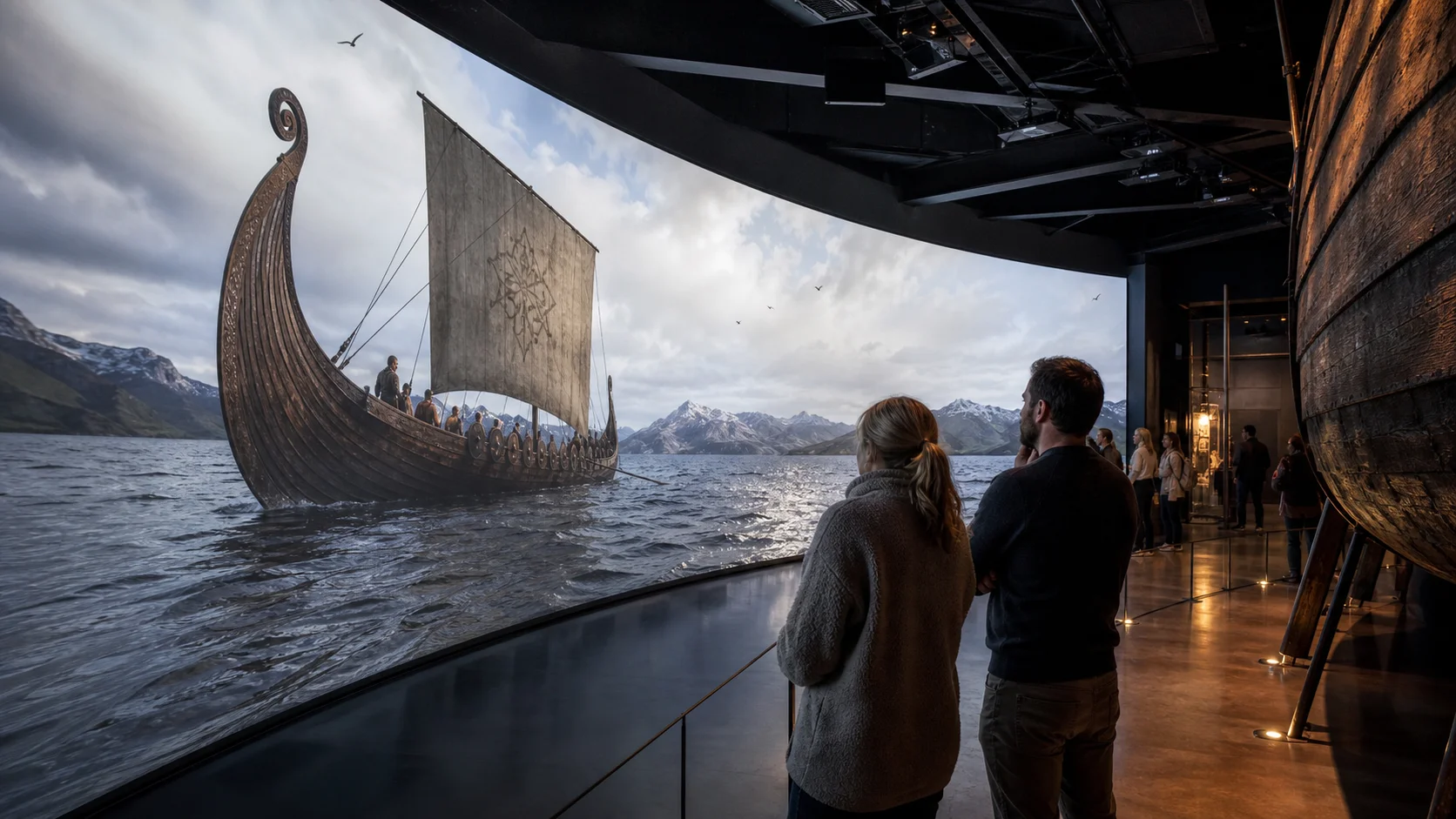
The Viking Planet is a very different experience. It uses virtual reality, holograms, film and interactive screens to bring Viking stories to life.
Visit Oslo notes that digital versions of the unavailable Viking ships can be explored here. That makes it useful for anyone whose main disappointment is missing the Oseberg and Gokstad vessels.
Go with the right expectation. This is an immersive interpretation centre, not an archaeological museum filled with original ship timbers.
Its strength is scale and imagination. Digital reconstruction can show how a longship moved, how people dressed and how a built environment might have felt. Its limitation is the same: a reconstruction always involves choices.
The strongest Viking day pairs The Viking Planet with the Historical Museum. One supplies movement and visualisation. The other supplies material evidence.
Best for the wider story: use Oslo as historical context
Modern Oslo does not preserve a neat Viking quarter where every building dates from the Viking Age. The city’s visible historic fabric is layered, and much of what visitors encounter belongs to later medieval, Danish and modern periods.
That does not make the city irrelevant. Oslo emerged near the end of the Viking Age and became a medieval centre. Its position beside the fjord helps explain why waterways, trade and political control mattered.
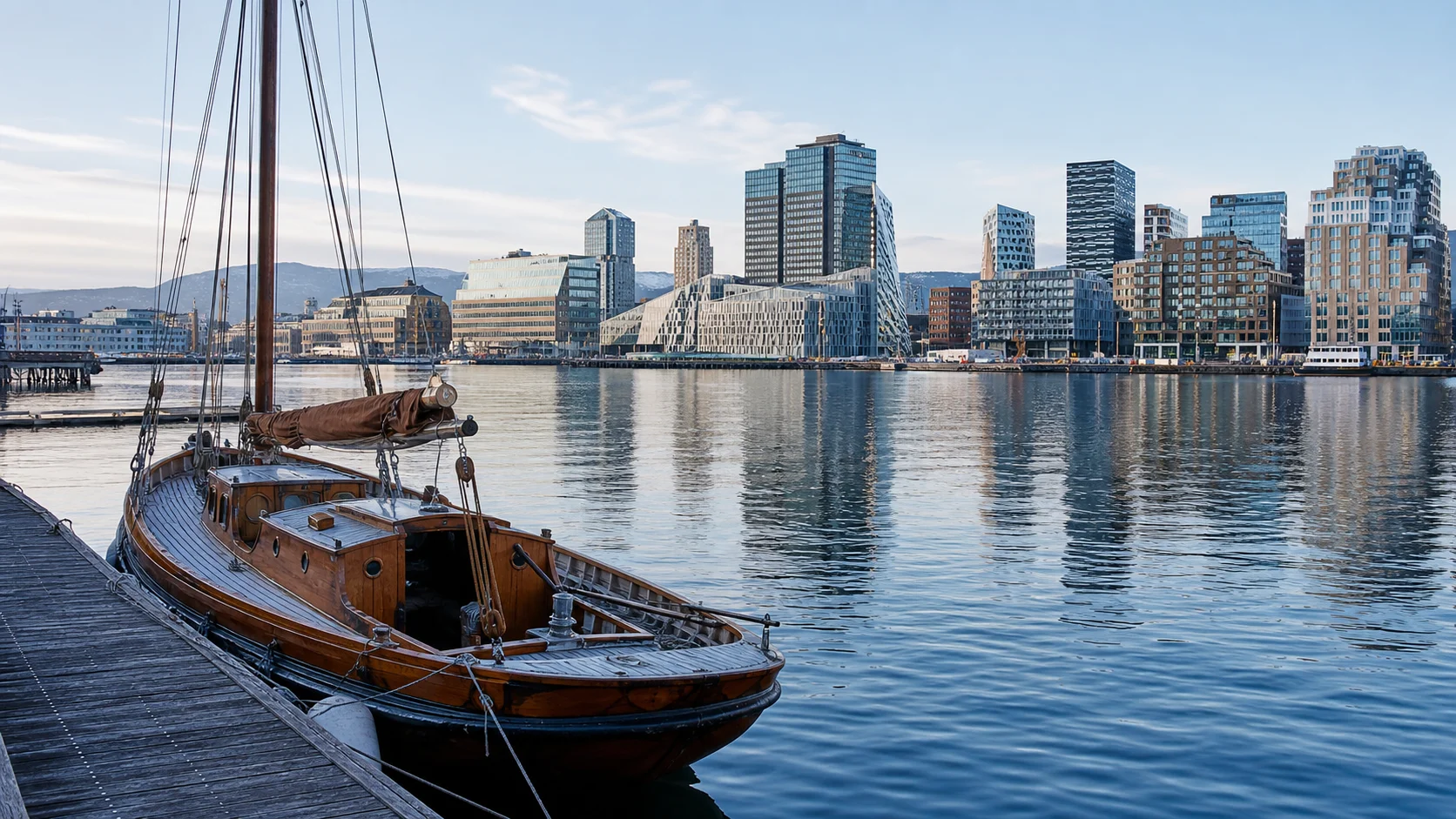
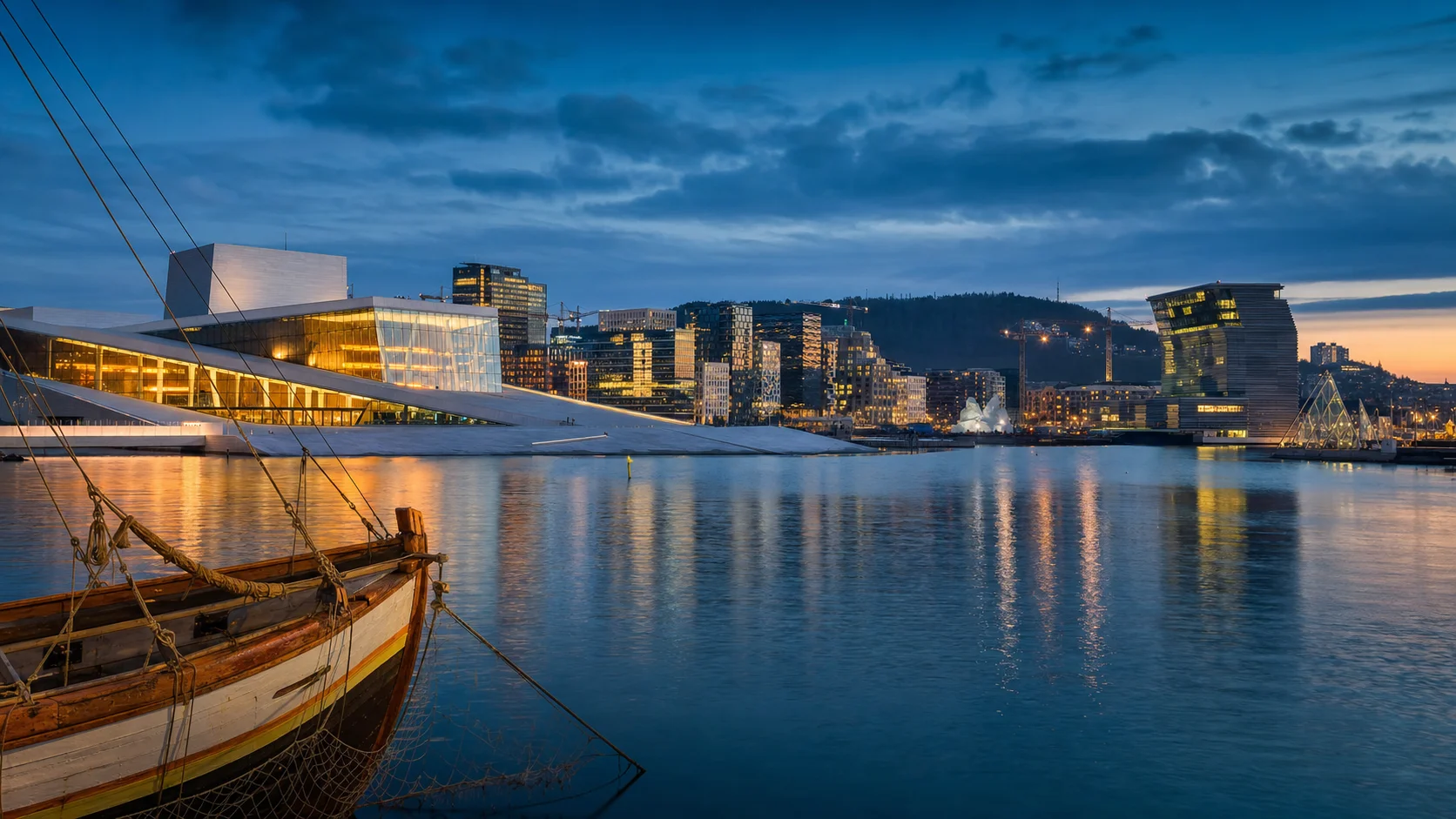
The waterfront is useful for thinking, not pretending. Look at the fjord as infrastructure. Water connected settlements, resources and markets long before it became a scenic background for the Opera House.
The paid Oslo audio walk is most useful here. It connects the Viking settlement story to later royal power, Christiania and the contemporary waterfront without claiming that modern landmarks are Viking remains.
Build one connected Oslo story between the museums
Use the paid Oslo self guided audio tour for the city’s wider history, offline navigation and GPS guided narration. Keep the specialist museum time separate and move through both at your own pace.
Best for correcting the warrior stereotype: follow trade and craft
The word Viking is often used as if it described every person in Scandinavian society. It did not.
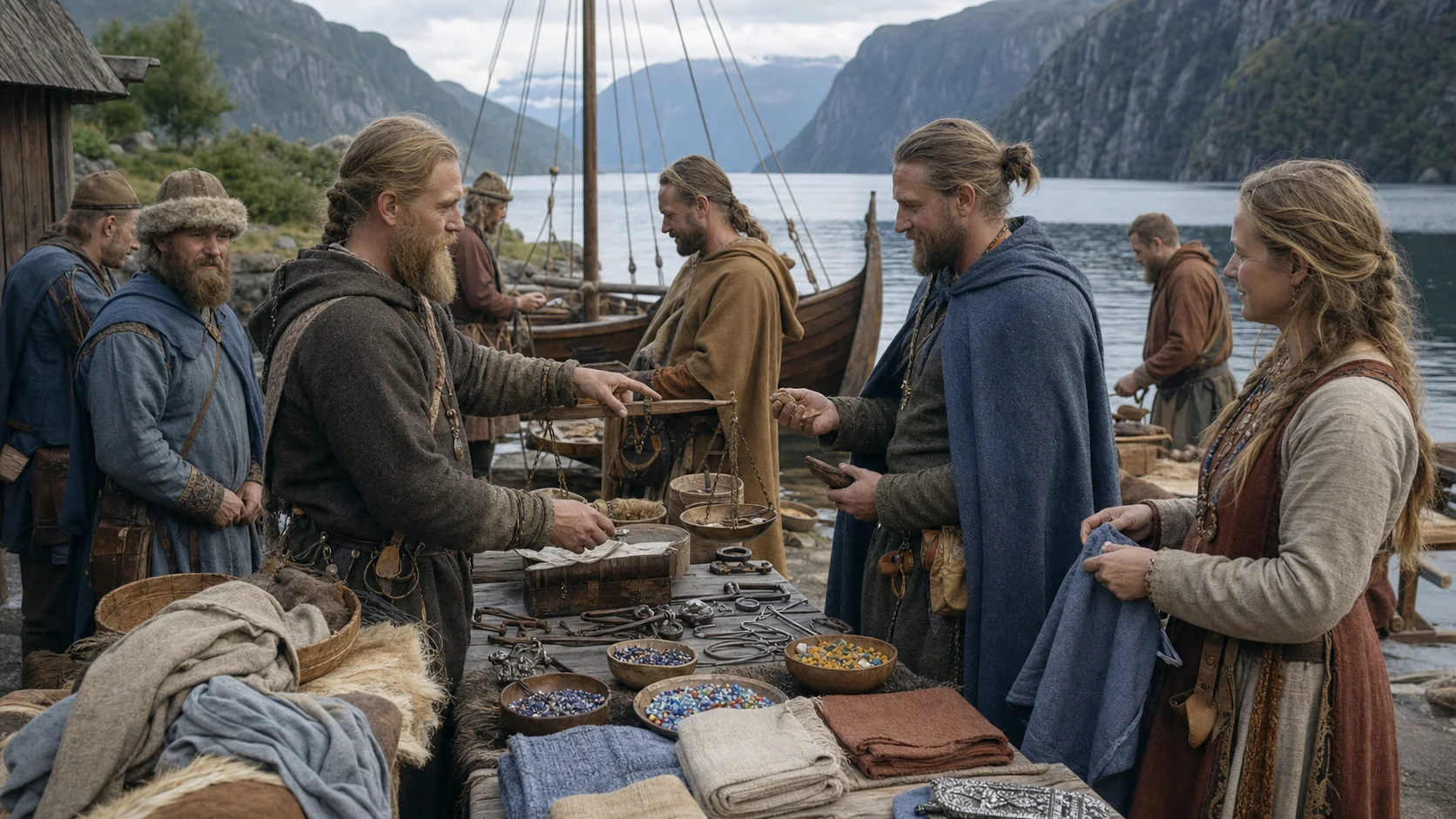
Raiding mattered, but so did farming, craft, trade, law, religion, family and political alliance. Norse travellers moved through networks that connected Scandinavia with the British Isles, continental Europe, the Baltic and routes far beyond.
In museum cases, look for imported materials, weights, coins, beads and fine metalwork. These can explain the Viking world more convincingly than another staged battle.
Ask three questions of any object:
- Who had the skill to make it?
- Where did its materials come from?
- What did owning it communicate?
Those questions transform a small object into evidence of movement, labour and social power.
Is Bygdøy still worth visiting?
Yes, but not because a substitute Viking ship display is waiting there.
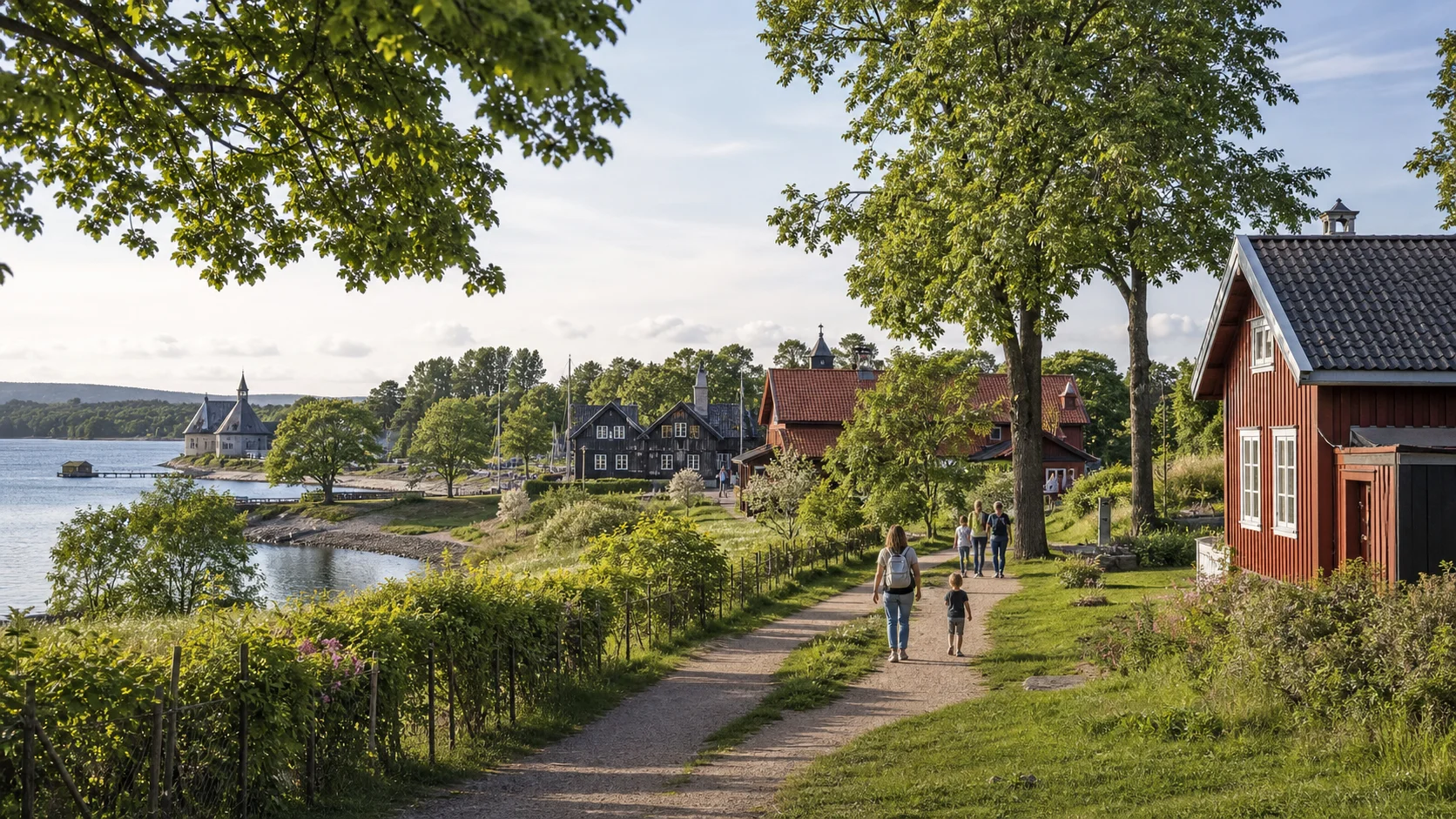
Bygdøy remains a museum peninsula with the Norwegian Museum of Cultural History, the Norwegian Maritime Museum, the Fram Museum and the Kon Tiki Museum.
The Norwegian Museum of Cultural History can help visitors understand later Norwegian building traditions and rural life. The Maritime Museum expands the story of seafaring. Fram and Kon Tiki concern much later expeditions, but they show how exploration became part of Norway’s modern national imagination.
Choose Bygdøy if you want a broader day of Norwegian cultural and maritime history.
Skip it if your only goal is original Viking ships. In 2026, that specific expectation cannot be met.
A realistic Viking focused plan for different visitors
For archaeology lovers, make the Historical Museum the anchor. Read the labels, compare materials and allow enough time for the smaller objects.
For families, combine the interactive Miðgarðr exhibition with The Viking Planet. The contrast between original artefacts and digital storytelling helps keep attention moving.
For ship enthusiasts, begin with The Viking Planet’s digital interpretation, then add the Norwegian Maritime Museum if broader seafaring history appeals.
For visitors with only two hours, choose the Historical Museum for authenticity or The Viking Planet for immersion. Do not rush both.
For travellers returning after 2027, check the new Museum of the Viking Age directly before planning. Opening schedules, ticket systems and conservation displays may change.
What not to do
Do not visit the old museum address assuming the closure is a minor renovation.
Do not describe Akershus Fortress as a Viking fortress. Its origins are medieval and later than the conventional Viking Age.
Do not treat modern symbols, costumes or horned helmets as archaeological evidence.
Do not build an exhausting museum list to compensate for the missing ships. A focused visit creates a stronger memory than several shallow entrances.
Do not promise children an original longship in Oslo during 2026. Promise objects, stories and digital ships instead.
What you can honestly say you saw
You can see authentic Viking Age objects in a serious archaeological setting.
You can examine a rare surviving helmet, weapons, jewellery and evidence of belief and craft.
You can explore digital versions of famous ships and immersive reconstructions.
You can understand the fjord as a route of movement and the city as part of a longer transformation from Viking settlement to medieval and modern capital.
That is a substantial Viking experience. It is simply not the same experience that visitors had before 2021 or may have again after the new museum opens.
Frequently asked questions
Is the Viking Ship Museum in Oslo open in 2026?
No. The former museum is closed while the new Museum of the Viking Age is being created.
When will the new Museum of the Viking Age open?
Visit Oslo currently points to the end of 2027. Treat this as a planned opening and confirm the latest official information before arranging a trip around it.
Can I see the Oseberg or Gokstad ship in Oslo now?
Not as original ships on public display. The Viking Planet offers digital ways to explore the unavailable vessels.
Where can I see real Viking objects in Oslo?
The Historical Museum is the main choice for authentic Viking Age objects, including weapons, jewellery and the Gjermundbu helmet.
Is The Viking Planet a traditional museum?
It is primarily an immersive digital experience using virtual reality, holograms, film and interactive displays. Pair it with the Historical Museum if you want both interpretation and original artefacts.