When Amalfi Ruled the Mediterranean: Pirates, Merchants and the Tiny Town of Atrani
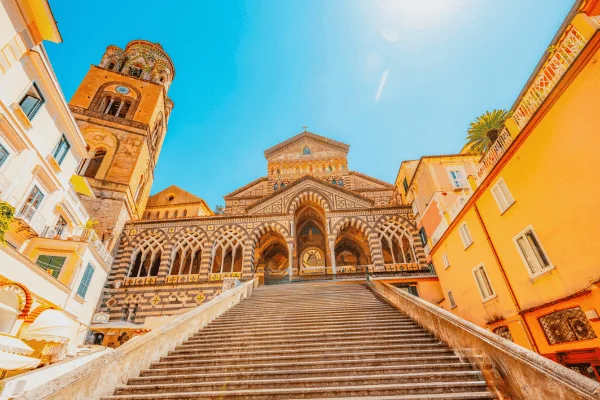
Amalfi is now imagined through terraces, beaches and dramatic roads. In the early Middle Ages, its horizon was commercial and political. The maritime republic traded across the Mediterranean, negotiated with distant powers and developed legal customs used by seafarers. Its small territory produced influence far beyond the coast. Atrani, pressed into the next fold of land, was not a decorative neighbour. It belonged to the same civic system and played an important role in Amalfi's political life. Together they reveal a coast built by ships long before it was marketed through views.
For the complete on location story, explore Trippy Tour Guide's paid Amalfi and Atrani audio experience. The locations, directions and narration remain inside the experience.
Amalfi and Atrani: geography forced amalfi toward the sea becomes visible through streets, buildings and public space.
Geography forced Amalfi toward the sea
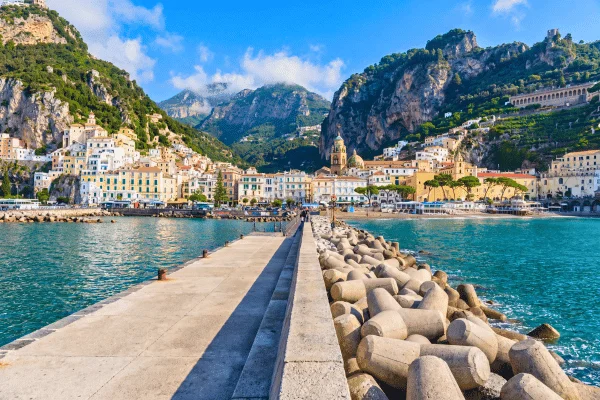
Steep mountains limited agricultural land and overland movement. The sea offered the practical route outward. Amalfitan merchants created networks linking Italy with Byzantine and Islamic ports. Trade required navigation, languages, credit and diplomacy. It also required defence against piracy and rival powers. The coastline that looks romantic from a terrace was once a demanding operational environment in which weather and politics could destroy a voyage.
Amalfi and Atrani: independence created ambition becomes visible through streets, buildings and public space.
Independence created ambition
Amalfi became an independent state in 839. Its rulers and merchants used a strategic position to build wealth, issue coin and maintain overseas communities. This success did not resemble a modern nation. Authority was shared and contested among families, officials and neighbouring settlements. The republic's achievement was adaptability: it negotiated across religious and political boundaries because commerce depended on practical relationships.
Amalfi and Atrani: maritime law outlived political power becomes visible through streets, buildings and public space.
Maritime law outlived political power
The Tavola Amalfitana compiled customs governing shipping and commercial disputes. Its influence demonstrates that a small state can matter through rules as well as fleets. Maritime trade depends on shared expectations about ownership, risk and responsibility. Amalfi's legal tradition helped create order across uncertain waters. That legacy is less visible than a cathedral façade, but it may be the republic's most durable contribution.
The paid Trippy Tour Guide Amalfi and Atrani audio experience develops these themes through place without turning the article into a route list.
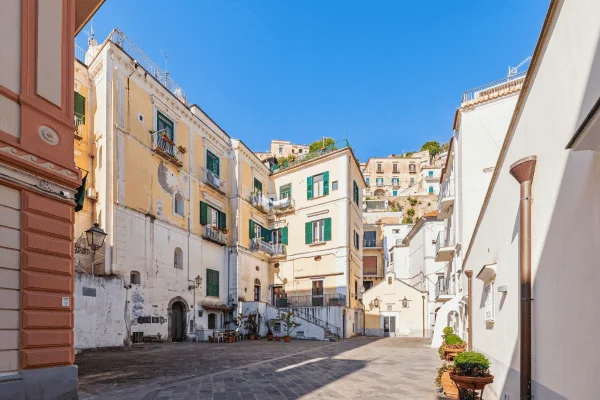
Amalfi and Atrani: atrani was part of the republic's civic heart becomes visible through streets, buildings and public space.
Atrani was part of the republic's civic heart
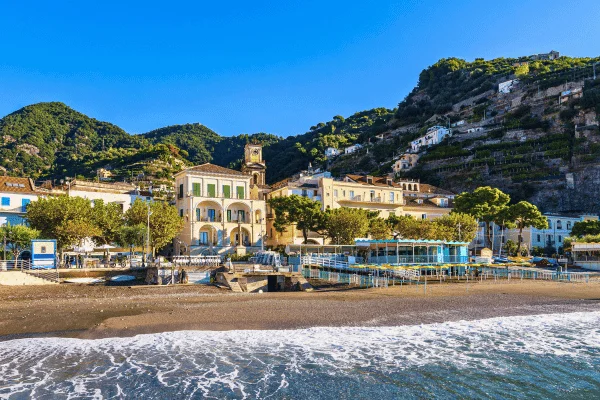
Atrani's scale can make it seem secondary, yet its history was closely bound to Amalfi. Important civic gatherings and ceremonies took place there, and its families participated in the republic's institutions. The settlement preserves a powerful lesson about Mediterranean urbanism. Political importance does not always correspond to size. A compact town can hold functions that a modern visitor would expect in a larger centre.
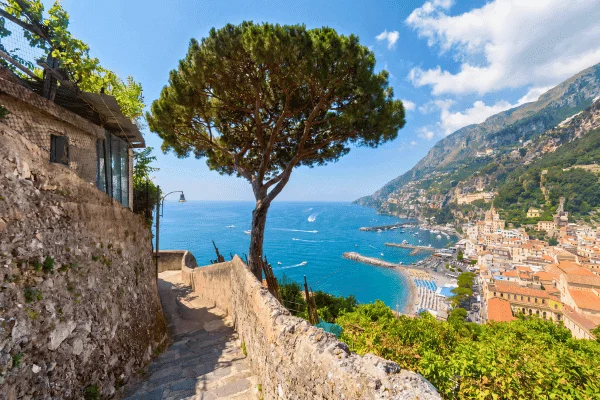
Amalfi and Atrani: conquest and disaster changed the balance becomes visible through streets, buildings and public space.
Conquest and disaster changed the balance
Norman power reduced Amalfi's independence. Pisan attacks in 1135 and 1137 weakened the city further. In 1343, a catastrophic storm and underwater landslide damaged coastal facilities and contributed to long decline. The republic did not vanish in a single cinematic moment. Its commercial advantage eroded through military, political and environmental shocks. The coast then carried memories of institutions larger than its later population.
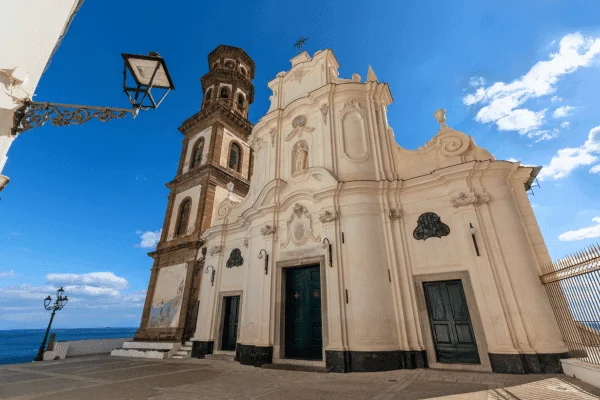
Amalfi and Atrani: the compass legend needs care becomes visible through streets, buildings and public space.
The compass legend needs care
Amalfi celebrates Flavio Gioia as an inventor associated with the compass, but historians treat the figure and claim with caution. Magnetic navigation developed across cultures over time. The legend remains culturally important because it expresses how Amalfi understands its maritime intelligence. Separating invention myth from documented achievement does not diminish the city. Its proven record in trade and law is remarkable enough.
What the wider story reveals
The most rewarding way to understand this subject is to connect visible places with the systems, choices and memories that produced them. A landmark becomes more than a photograph when its contradictions are allowed to remain. This article provides the wider argument. The audio experience supplies a separate, carefully paced encounter on location.
Continue the story on location
Use the paid Trippy Tour Guide Amalfi and Atrani audio experience for the complete narration and navigation. The article deliberately keeps those elements separate.
Open the paid Amalfi and Atrani audio experience
Frequently asked questions
Was Amalfi one of Italy's maritime republics?
Yes. It developed independent maritime power and extensive Mediterranean trade during the Middle Ages.
What was the Tavola Amalfitana?
It was a body of maritime customs used to regulate shipping and commercial relationships.
Why is Atrani historically important?
It formed part of Amalfi's civic system and hosted important political and ceremonial activity despite its small size.