Why Artists Fell in Love With Ravello and What Most Visitors Miss in Minori
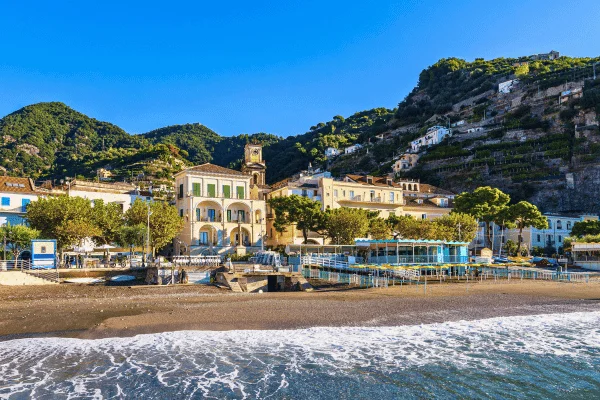
Ravello and Minori sit close together, yet they offer different versions of the Amalfi Coast. Ravello looks outward from high terraces, turning sea and sky into composition. Its villas attracted musicians, writers and travellers searching for distance from ordinary life. Minori occupies the lower coast with a more intimate relationship to agriculture, food and ancient domestic space. Visiting both reveals that beauty here is not one panoramic image. It is a layered cultural landscape shaped by retreat, cultivation, performance and everyday continuity.
For the complete on location story, explore Trippy Tour Guide's paidRavello and Minori audio experience. The locations, directions and narration remain inside the experience.
Ravello and Minori: ravello made distance creative becomes visible through streets, buildings and public space.
Ravello made distance creative
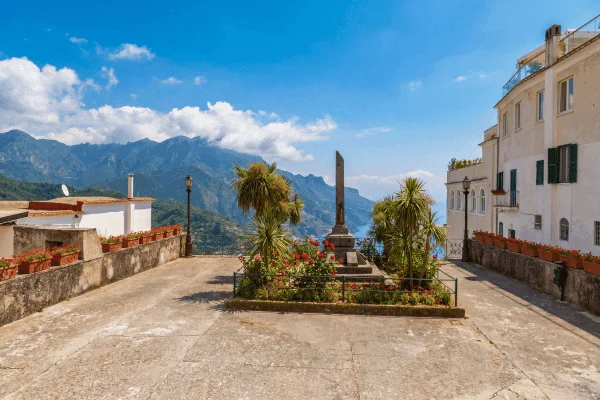
Ravello's elevation changes perception. The coast becomes pattern rather than obstacle, and sound travels differently above the traffic of the shore. Artists valued this separation because it created mental as well as physical space. The town's attraction was never only visual. Gardens, cloisters and terraces offered controlled transitions between enclosure and horizon. These settings encouraged reflection, while the journey required to reach them reinforced the sense of retreat.
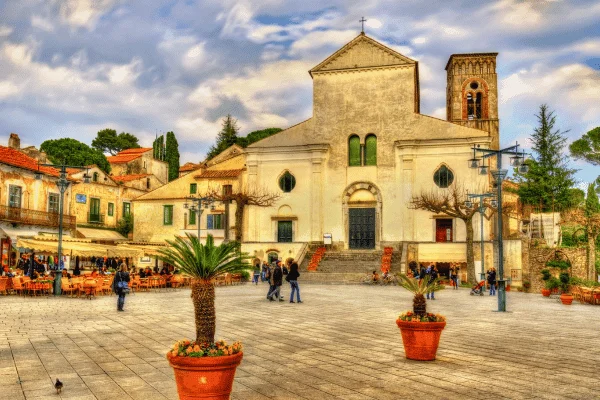
Wagner found a stage in a garden
Richard Wagner visited Villa Rufolo in 1880 and connected its atmosphere with the enchanted garden in his opera Parsifal. The encounter became central to Ravello's musical identity. Later festivals used the landscape as a performance setting, allowing music and view to frame one another. The connection works because the villa is not treated merely as a memorial to a famous visitor. It remains a place where new performances continue the act of interpretation.
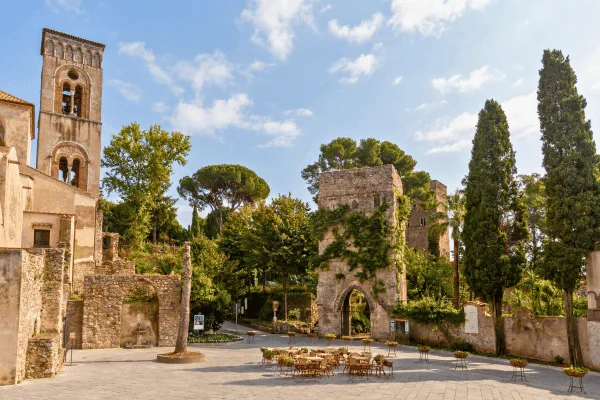
The artist story is wider than one composer
Writers, painters and filmmakers found Ravello attractive for different reasons: privacy, light, social circles and a sense of being suspended above the world. Famous names can become a shortcut that excludes local history. Their presence is most interesting when seen as part of a long exchange between residents, patrons and visitors. The town shaped artistic work, while artistic reputation changed how the town was marketed and preserved.
The paidTrippy Tour Guide Ravello and Minori audio experiencedevelops these themes through place without turning the article into a route list.
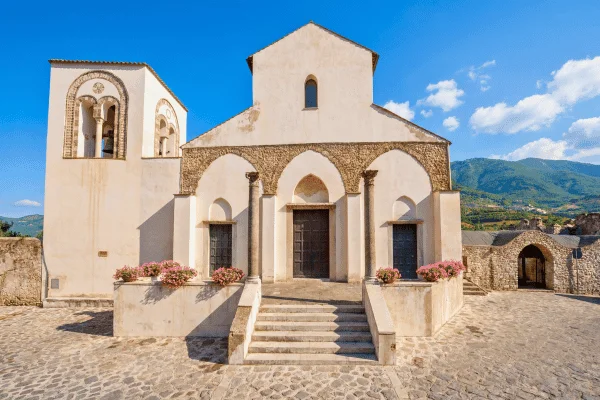
Minori keeps Roman domestic life close
Minori's Roman maritime villa reveals an earlier elite relationship with the coast. Mosaics, rooms and water features belonged to a residential world designed for comfort and display. The remains sit within the modern town rather than in an isolated archaeological park. That proximity makes time feel compressed. Daily life continues around evidence that Roman owners also valued climate, views and cultivated pleasure.
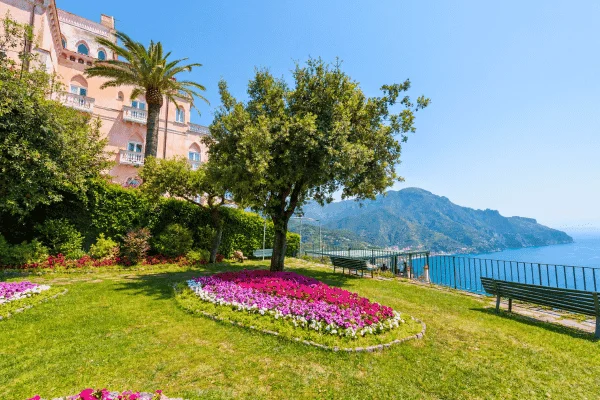
Food carries landscape knowledge
Minori is strongly associated with citrus, pastry and pasta traditions. These are not decorative additions to heritage. Terraces, water, trade and family knowledge shaped what could be grown and made. Culinary identity connects the coast's demanding geography with everyday skill. It also provides a counterweight to the artist's gaze. The landscape is not only seen from a terrace. It is worked, harvested and eaten.
The hidden gem label can mislead
Calling Minori hidden may help distribute attention, but the town is not waiting to be discovered. It has its own residents, routines and history. A respectful visitor does not measure every place against the fame of Amalfi or Positano. Ravello and Minori become richer when approached as distinct communities linked by the same coast. One offers dramatic distance; the other reveals continuity at street level.
What the wider story reveals
The most rewarding way to understand this subject is to connect visible places with the systems, choices and memories that produced them. A landmark becomes more than a photograph when its contradictions are allowed to remain. This article provides the wider argument. The audio experience supplies a separate, carefully paced encounter on location.
Continue the story on location
Use the paid Trippy Tour Guide Ravello and Minori audio experience for the complete narration and navigation. The article deliberately keeps those elements separate.
Open the paid Ravello and Minori audio experience
Frequently asked questions
Why is Wagner associated with Ravello?
He visited Villa Rufolo in 1880 and connected its gardens with a scene in Parsifal.
What is important about Minori's Roman villa?
It preserves evidence of an elite Roman coastal residence within the fabric of the modern town.
Are Ravello and Minori only scenic destinations?
No. Their music, archaeology, agriculture and community histories give the landscape much deeper meaning.
Sources and image credits
- Villa Rufolo
- Ravello Festival
- UNESCO Amalfi Coast
- Images are supplied from the corresponding Trippy Tour Guide tour gallery.