Why Belfast’s Peace Walls Still Stand: Murals, Memory and the Long Road Beyond the Troubles
Belfast's peace walls are among the most visible legacies of the Troubles. Barriers were erected from 1969 to separate neighbouring communities during intense violence. Some grew taller and more permanent even after the 1998 Belfast Agreement transformed politics and security. Their continued presence can appear contradictory to visitors. For many residents, however, a wall is not an abstract symbol. It is connected to lived memory, fear, routine and uneven trust. Understanding why the barriers remain requires patience with that complexity and respect for the communities living beside them.
For the complete on location story, explore Trippy Tour Guide's paidBelfast audio experience. The locations, directions and narration remain inside the experience.
Belfast: segregation existed before the walls becomes visible through streets, buildings and public space.
Segregation existed before the walls
Belfast's divisions were shaped by housing, employment, politics, religion and national identity long before 1969. Violence intensified existing boundaries and created new ones. When barriers appeared, officials sometimes described them as temporary security measures. Their physical expansion reflected the persistence of conflict. Concrete and metal did not cause the division, but they made it durable in the landscape and influenced how later generations moved through the city.
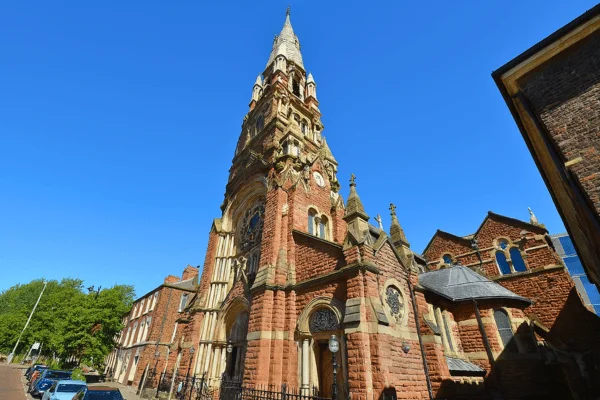
Belfast: murals turned walls into public language becomes visible through streets, buildings and public space.
Murals turned walls into public language
Murals communicate identity, remembrance, solidarity and political claims. Their subjects change as communities debate how they want to be represented. Some commemorate paramilitary figures or victims; others address international causes, culture and peace. A mural should not be treated as a neutral picture. Its location, sponsor, date and audience matter. Reading responsibly means asking who speaks, who disagrees and what changed after the image was painted.
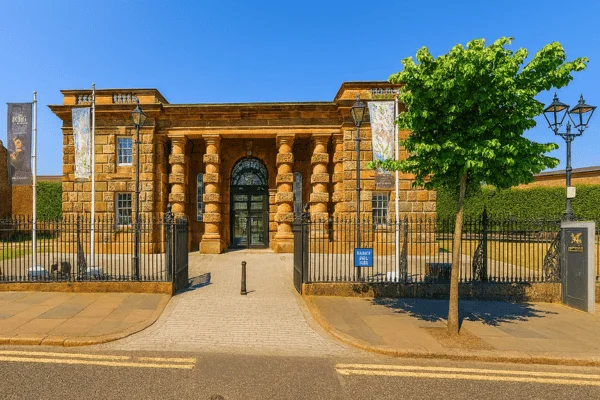
Belfast: the 1998 agreement changed the political horizon becomes visible through streets, buildings and public space.
The 1998 agreement changed the political horizon
The Belfast Agreement, widely known as the Good Friday Agreement, was approved in 1998. It created institutions based on power sharing and established principles of consent, rights and cooperation. The agreement did not erase grief or residential separation. It provided structures through which political conflict could be pursued without the previous scale of violence. Peace is therefore better understood as an ongoing process than a single completed event.
The paidTrippy Tour Guide Belfast audio experiencedevelops these themes through place without turning the article into a route list.
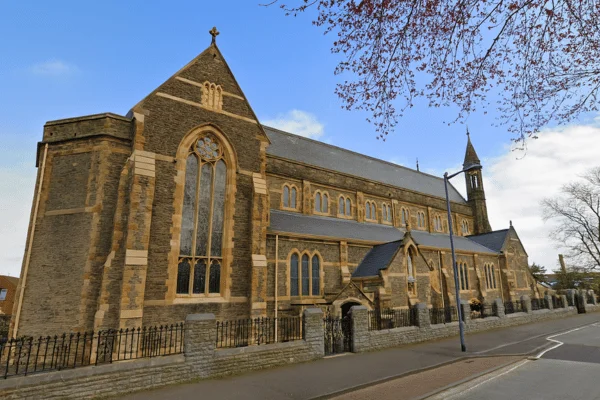
Belfast: why removal cannot simply be imposed becomes visible through streets, buildings and public space.
Why removal cannot simply be imposed
A barrier can stigmatise and restrict a neighbourhood, yet some residents still regard it as protection. Removing it without consent could reproduce the powerlessness that peacebuilding is meant to overcome. Effective change requires consultation, safer shared spaces, housing policy, education and confidence in institutions. The slow pace can frustrate outsiders, but trust is not an engineering material that can be installed on schedule.
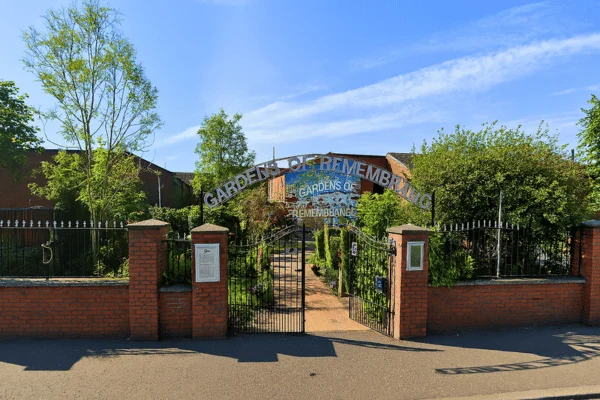
Belfast: memory and tourism require care becomes visible through streets, buildings and public space.
Memory and tourism require care
Political tours can support understanding and local employment, but they can also reduce complex communities to dramatic photographs. Visitors should avoid treating murals or gates as a theme park. Language matters, particularly when discussing victims and contested identities. A balanced experience does not pretend that every interpretation is equivalent. It explains evidence, acknowledges disagreement and centres the human cost of violence.
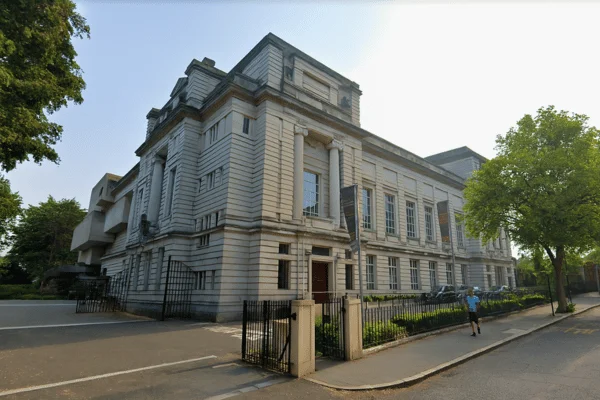
Belfast: reconnection is the real measure becomes visible through streets, buildings and public space.
Reconnection is the real measure
Current programmes seek to transform interface areas, improve shared space and progress toward barrier removal where communities support it. The success of Belfast's peace cannot be measured only by the number of walls demolished. It also appears in ordinary cooperation, safer movement and institutions able to manage disagreement. The walls still stand because history remains close. Their future depends on building relationships strong enough to make separation unnecessary.
What the wider story reveals
The most rewarding way to understand this subject is to connect visible places with the systems, choices and memories that produced them. A landmark becomes more than a photograph when its contradictions are allowed to remain. This article provides the wider argument. The audio experience supplies a separate, carefully paced encounter on location.
Continue the story on location
Use the paid Trippy Tour Guide Belfast audio experience for the complete narration and navigation. The article deliberately keeps those elements separate.
Open the paid Belfast audio experience
Frequently asked questions
When were Belfast's first peace walls built?
Many barriers were first erected from 1969 as violence intensified, although segregation and local boundaries existed earlier.
Did the Good Friday Agreement remove the walls?
No. The 1998 agreement transformed politics, but physical barriers and residential division continued.
Can visitors see Belfast murals respectfully?
Yes. Listen to local context, avoid intrusive behaviour and remember that these are living communities, not displays.
Sources and image credits
Images are supplied from the corresponding Trippy Tour Guide tour gallery.