Why Chartres Cathedral Still Glows: The Mystery, Survival and Meaning of Its Medieval Glass
Chartres Cathedral does not simply contain stained glass. Its architecture is organised around coloured light. Deep blues, reds and greens transform the interior as weather and time change, turning stone into a setting for images that medieval worshippers could read, remember and inhabit. The collection is exceptional in scale and survival. Yet the windows are not mysterious because medieval people lacked meaning. They are mysterious because modern viewers have lost much of the visual literacy that once connected saints, trades, scripture and civic identity.
For the complete on location story, explore Trippy Tour Guide's paidChartres audio experience. The locations, directions and narration remain inside the experience.
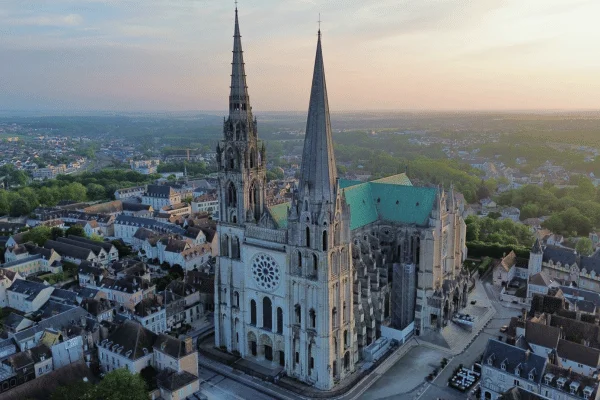
Chartres: fire created the present cathedral becomes visible through streets, buildings and public space.
Fire created the present cathedral
A major fire in 1194 destroyed much of the earlier church. Reconstruction produced the core of the present Gothic cathedral with remarkable speed. Builders used pointed arches, rib vaults and external supports to raise the walls and open larger areas for glazing. The structure and glass were conceived together. Light was not an afterthought placed into finished walls. It was part of the theological and architectural plan.
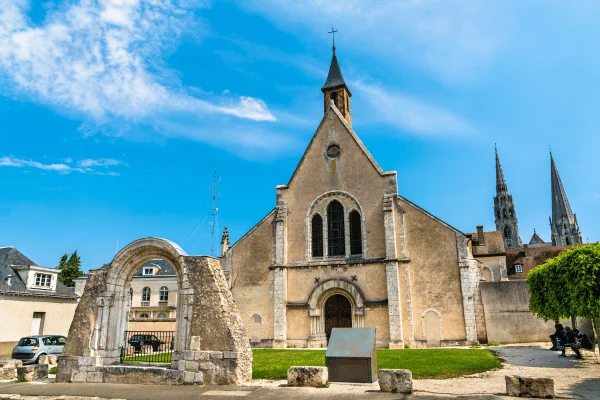
Why Chartres blue feels distinctive
The celebrated blue appears especially strongly in early windows, including the figure known as Notre Dame de la Belle Verrière. Medieval glassmakers created colour through metal oxides and careful firing. The exact effect also depends on thickness, ageing, daylight and surrounding tones. Calling the colour a lost secret is too simple. Its power comes from craft and context, not a single vanished recipe.
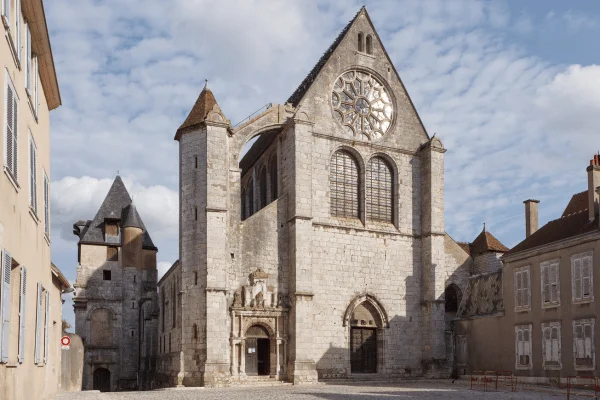
Windows taught through sequence and symbol
Biblical scenes, saints and moral stories appear in panels often read from lower sections upward. Viewers used familiar attributes to identify figures. The glass did not function like a modern textbook for a completely illiterate audience. It participated in worship alongside preaching, sculpture, music and ritual. Meaning was reinforced through repeated encounters. The interior was a multimedia environment centuries before the term existed.
The paidTrippy Tour Guide Chartres audio experiencedevelops these themes through place without turning the article into a route list.
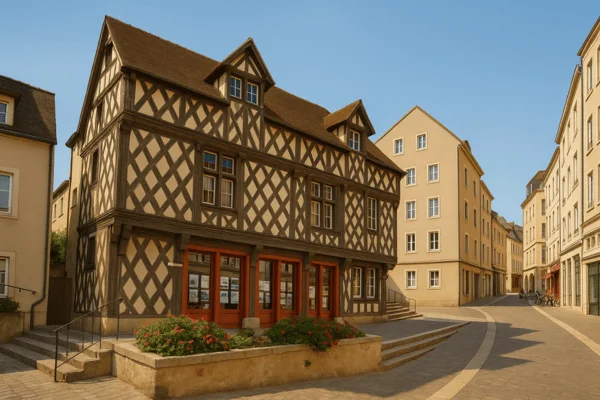
Donors entered sacred imagery
Guilds and trades helped fund windows, and working scenes appear in lower panels. Shoemakers, bakers, merchants and other craftspeople become part of the visual programme. Their presence records civic economy as well as devotion. Funding a window could express status, collective identity and spiritual hope. The cathedral therefore glows with the labour of the city, not only the decisions of clergy and nobles.
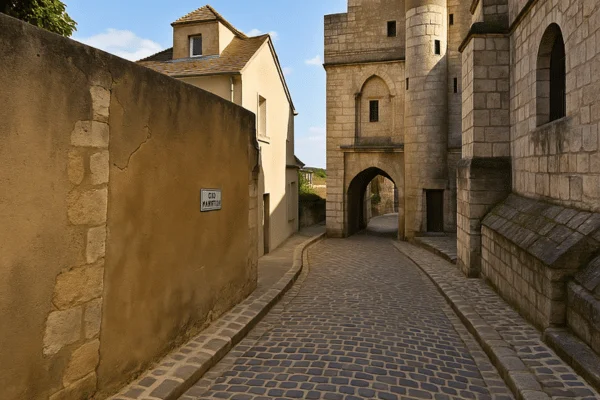
Survival required deliberate protection
The glass did not pass untouched through eight centuries. Panels were repaired, rearranged, cleaned and protected. During major conflicts, windows were removed or secured to reduce the risk of destruction. Modern conservation studies materials, structure and environmental conditions. Survival is an active process involving difficult choices about how much to replace and how to let ageing remain visible.
How to look without rushing
The quantity of imagery can overwhelm visitors. A better approach is to watch one window long enough for details to emerge. Notice borders, repeated colours and small occupational scenes. Then look at how the window relates to architecture and neighbouring glass. Chartres rewards attention more than coverage. The goal is not to identify every panel, but to understand how colour reorganises space and time.
What the wider story reveals
The most rewarding way to understand this subject is to connect visible places with the systems, choices and memories that produced them. A landmark becomes more than a photograph when its contradictions are allowed to remain. This article provides the wider argument. The audio experience supplies a separate, carefully paced encounter on location.
Continue the story on location
Use the paid Trippy Tour Guide Chartres audio experience for the complete narration and navigation. The article deliberately keeps those elements separate.
Open the paid Chartres audio experience
Frequently asked questions
How old is the stained glass at Chartres?
Much of the celebrated glazing dates from the twelfth and thirteenth centuries, with later additions and restorations.
What is Chartres blue?
It is the name commonly given to the intense blue associated with important medieval windows at the cathedral.
Why did so much glass survive?
Protection, removal during conflict, restoration and continuing conservation all contributed to its survival.
Sources and image credits
- Chartres Cathedral on the stained glass
- Chartres Cathedral architecture
- UNESCO Chartres Cathedral
- Images are supplied from the corresponding Trippy Tour Guide tour gallery.